by John Moody Updated: September 06, 2018 Affiliate links Healthy Living
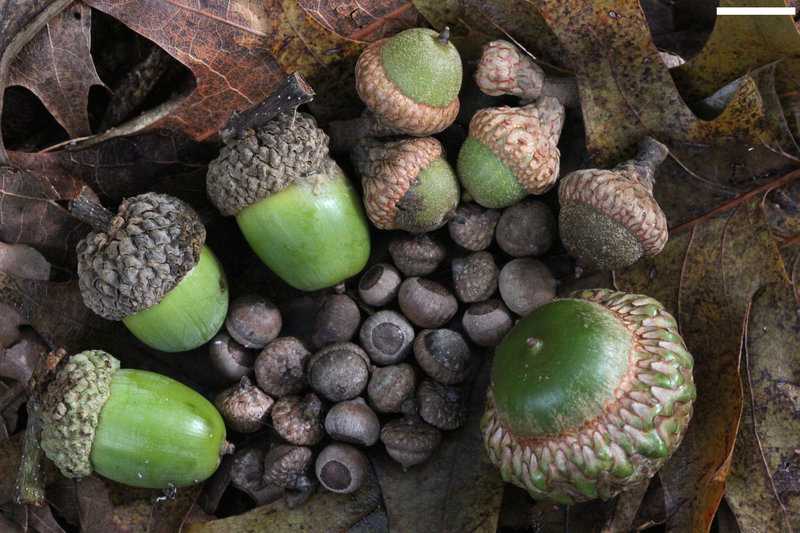
Exotic superfoods such as acai, goji, and lucuma often dominate headlines in the United States. Yet those of us with a local focus should remember the nourishing foods that cost almost nothing and are literally underfoot! Acorns are one such resource finally gaining recognition as more people embrace traditional foraging skills.
If you, like many, didn’t realize acorns are edible and can even be turned into delicious baked goods with acorn flour, keep reading to learn more!
Acorns: North American Superfood
The oak tree plays a vital role in both ecosystems and economies. Oak wood has warmed homes, built ocean-crossing ships, and supported towering buildings. These majestic trees offer food and shelter for countless animal species and shade for delicate plants.
Oak leaves also serve as a useful culinary herb. For instance, a few fresh oak leaves help keep fermented pickles crunchy!
As autumn arrives, nut mast—the decomposing nuts on the forest floor, essentially a semi-fermented preserved nut paste—provides food through early winter for many animals, especially pigs. Acorns contribute enormously to this food supply.
Traditional Uses
Imagine consuming a thousand pounds of something each year—roughly two and a half pounds of potatoes daily. Seems unbelievable, right? Yet estimates and research indicate that some Native American groups ate that much acorn annually. (1)
Acorns were valued beyond just food. The nuts were often crushed and boiled to produce oil, used by indigenous peoples for cooking and medicine. This oil was a key ingredient in many herbal salves for treating wounds and burns.
The high tannin content in acorns also proved useful for tanning hides. Tannins bind to collagen in the hide, coating it and creating a waterproof effect that resists mold and other microbial decay.
Benefits of Eating Acorns
Have you noticed the abundance of acorns around? Perhaps you never considered that they are edible!
In many regions, almost no one bothers to collect the available acorns. With just half an hour of work, you can harvest many pounds for home use.
If you have oak trees on your property or access to them, collection becomes even easier: spread a tarp, blanket, or similar fabric beneath the tree to catch falling acorns. While commercial acorn flour and products are pricey, preparing them yourself is very cost-effective—often free!
Compared to industrialized alternatives, acorns are an environmental winner, even against organic grains and cereals. First, consider that oak trees are incredibly productive. In an average year, mature trees may drop 200 or more pounds of acorns. In ideal years, some reports record a single tree yielding a thousand pounds! (2)
Because oaks can live for decades—even centuries—and don’t require annual replanting like other crops, they offer a nearly endless, valuable food source for people, livestock, and wildlife.
Free Food with No Machinery or Chemicals
An acre of oak trees can produce many tons of food over dozens of years without machinery or inputs. It’s no wonder acorns are sometimes called “the grain that grows on trees.”
This incredible productivity doesn’t even account for the wildlife such an ecosystem supports. Deer, elk, pigs, and other animals thrive on this abundant, nutrient-dense food, expanding the food available in an area with little to no extra cost for human stewards.
As a perennial tree crop, acorns can be grown year after year without cultivation, fertilization, irrigation, or — in most cases — spraying for pests. The oak also has the ability to yield well on marginal land, including steep, erosion-prone hillsides. Acorn production has other benefits, as well. The trees contribute to soil deposition, provide increased rainfall retention for replenishing the groundwater supply, act as windbreaks, supply summer shade, furnish harvests of hardwood lumber and firewood, and in the case of one oak (Quercus suber), cork. What’s more, the tannin present in many acorn varieties is a sought-after commercial product. (3)
Gluten Free Acorns
Used as an alternative grain, acorns are gluten free. Additionally, because oaks are rarely sprayed and thrive with minimal intervention, acorns and acorn flour avoid the drawbacks of other gluten-free flour options.
For example, rice and rice flour pose an arsenic risk. Other gluten-free crops like oats and corn are typically grown with glyphosate, with post-harvest tests revealing high levels of this chemical.
Other nut options, such as almond flour, are very expensive even if you make it yourself.
Thus, acorns offer a clean, green alternative without the chemical or economic downsides of cultivated competitors.
Acorn Nutritional Information
Nutritionally, acorns are quite impressive. No wonder some Native American groups consumed so many!
The fat in acorns is primarily monounsaturated—the type found in olive oil and avocado oil. They are relatively low (for a nut) in polyunsaturated fatty acids, at around 35%. Saturated fat is about 13%. (2)
For a plant food, acorns provide an excellent protein profile, containing all essential amino acids, though not in sufficient amounts to serve as a sole protein source for humans.
They are rich in the minerals potassium and manganese and offer a modest contribution to a range of B vitamins.
The macronutrient profile of acorns is as follows. Note that while high in carbohydrates, the generous amount of monounsaturated fat gives acorns a low glycemic index overall. (3)
- 45% carbs
- 50% fat
- 5% protein
Because there are many oak species worldwide, the composition of acorns varies by species and location. Some acorns are sweeter, others more bitter.
Chances are that numerous types of acorns exist in your community for you to try and find the most appealing flavor. Acorns from bur oaks growing in eastern and central North America generally seem tastier, but all are edible!
Proper Acorn Preparation
Acorns are not, at least for humans, a “ready to eat food.”
In other words, you cannot simply gather them, wash them, and start eating.
Like many nuts, they require special preparation. Traditionally, they are soaked for long periods to remove bitter tannins and other anti-nutrients.
The water from soaking acorns becomes high in tannins. This dark brown liquid has several uses, such as natural tanning of animal hides as mentioned earlier.
One reason animals let acorns sit on the forest floor for weeks before eating them is to allow nature to wash out some tannins and toxic compounds. Perhaps people first learned to rinse and soak nuts, seeds, grains, and other plant foods by observing this natural process.
Leaching Acorns
The soaking process is often called “leaching.” It deals with two major anti-nutrients in these nuts—phytic acid and tannins.
While phytic acid usually goes unnoticed until it reaches the digestive tract, blocking mineral absorption and possibly causing inflammation (gas or bloating), tannins are immediately noticeable in the mouth. Nibble a raw acorn and you’ll instantly understand—you’ll likely spit it out!
Tasting bitter and astringent, tannins also bind to minerals and prevent their use by the body. Careful leaching with water easily removes both of these powerful substances. (4)
Soak and then Rinse
Leaching involves soaking acorns in water then rinsing them. Traditionally, people used various methods for processing and storing acorns, depending on the variety and intended use. Two modern methods mimic these practices—hot or cold leaching.
Hot Leaching
The advantage of hot leaching is speed. It takes only a few hours to complete, similar to boiling peanuts.
The downside? The final flour is very dark, and the process destroys a beneficial starch in acorns that acts like gluten in regular grains but doesn’t cause allergic reactions. This starch is helpful as a binder when baking with acorn flour. (5)
Do You Know The Differences Between Artificial Flavors, Natural Flavors, Organic Flavors?
Cold Leaching
Traditionally, cold leaching was the preferred home processing method. Though much slower, it preserves enzymes and some nutrients by keeping the acorns raw. The important binding starch is also retained. Thus, this method is preferred for making acorn flour.
Cold leaching can take up to a week but yields a superior product. It involves shucking then soaking the acorns in cold water, with daily changing or straining of the liquid. While phytic acid is removed within hours of soaking, tannins take longer. Once the soaking water no longer turns brown, the bitter tannins are gone!
After leaching, acorns must be thoroughly dried. A food dehydrator or the pilot light in a gas oven works well. If you live in a warm climate, drying in the hot sun also works. If not dried, wet acorns will quickly mold.
Dried acorn nuts are best stored in an airtight container in the refrigerator or a cool, dark pantry.
How to Bake with Acorn Flour
Before making acorn flour from dried nuts, definitely check out a few good tutorials on the different approaches first! While it isn’t difficult, it requires more care than preparing standard grains.
Acorn flour behaves very differently from most common wheat varieties and related flours like einkorn. It makes an excellent flour for breading foods that will be fried or baked. Looking for a healthy gluten-free flour to bread pork chops or similar cuts of meat that is locally sourced? Try acorn flour!
Acorn mash, acorn bread, acorn waffles, pancakes, and muffins! The possibilities are endless with acorn flour, either alone or combined with other ingredients.
READ Brand New Vegan Restaurant of Lucy Watson in West London Which Will Also Host Yoga Classes!
Foraging for Acorns Sustainably and Responsibly
An important part of eating wild foods is learning to harvest in a way that doesn’t harm the plant, ecosystem, or other creatures that depend on those plants. Oak trees vary greatly from year to year in productivity. “Mast” years, when trees drop incredible amounts of nuts, are crucial for the future of oak stands—the extra nuts often get buried by squirrels and other critters, later emerging as baby oak trees!
In lean years, it’s especially important to harvest lightly. I find the rule of three helpful—never take more than one-third of the available foraged food. Also, never forage in an area that shows signs of someone else having already foraged there.
John Moody is an author, speaker, farmer, homesteader, and Real Food activist. Most importantly, he is husband to an amazing wife and five awesome kids. John speaks nationally at a wide range of events, along with writing for numerous publications and consulting for farmers, homesteaders, and food businesses.
READ Do You Think Canned Fruit is Healthy?