Discover the secrets behind irresistibly smooth, flavour-packed mashed potatoes with these expert tips for your next festive feast or weeknight dinner.
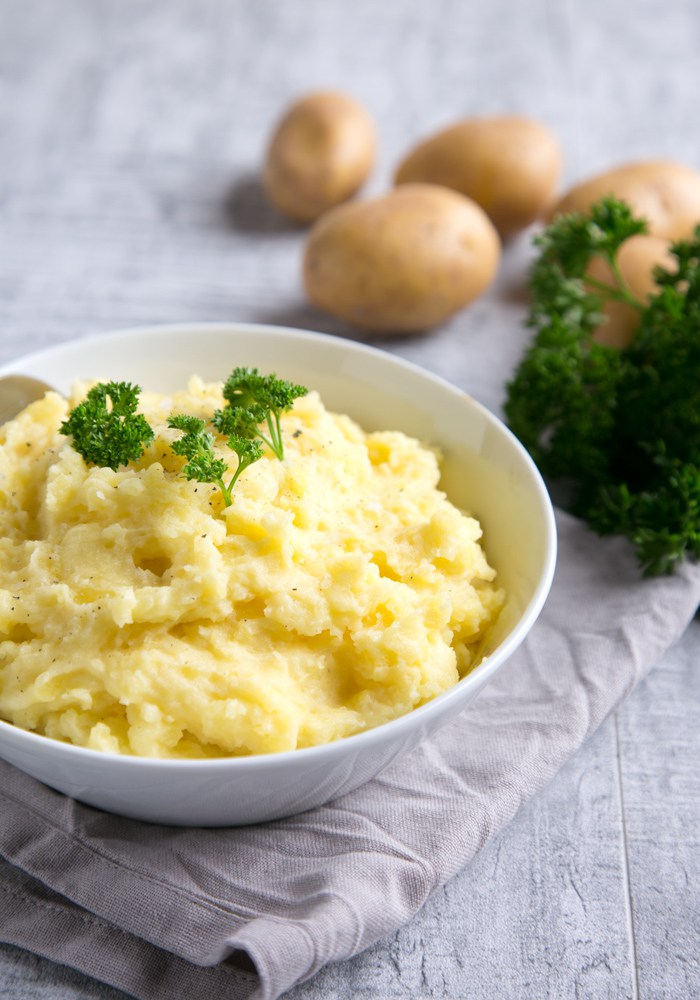
Few things deliver the same soul-warming satisfaction as a generous helping of velvety mashed potatoes. Beloved across generations, this adaptable side dish pairs beautifully with casual family suppers and grand holiday spreads alike. Throughout countless batches, I've gravitated toward a heartier mash featuring small tender lumps that create delightful texture, though swapping in a ricer delivers a silky, lump-free alternative for purists. Despite its humble nature, potato mash is remarkably easy to botch. From gluey consistency to bland flavour, most pitfalls trace back to ingredient selection and technique.
Below you'll find every insight I've gathered through years of testing, guaranteeing a mash that keeps everyone reaching for seconds.
Selecting Quality Components
The finest mashed potatoes require just 10 minutes of active work once the spuds are tender, calling for only three fundamental building blocks: potatoes (I favour a combination of Russet and Yukon Gold varieties), fresh dairy, and rich butter.Potatoes: Your choice of tuber shapes the final outcome significantly. Steer clear of waxy selections like Red Bliss or New Potatoes since their minimal starch content prevents proper dairy absorption. Russet potatoes yield the silkiest result, while Yukon Golds contribute deeper flavour and a buttery golden hue if you welcome a bit of substance.Butter: This component shines through prominently, so splurge on premium options whenever possible. I often whip up homemade butter (ready in roughly 10 minutes) for recipes like this, or reach for goat butter or plant-based substitutes when needed.Milk: Though skimmed versions might seem appealing for calorie-conscious cooks, resist the urge. Authentic mash demands richness, making fresh whole milk non-negotiable.I incorporated a2 Milk™ for this particular preparation, valued for its gentle digestibility owing to the absence of A1 protein, which triggers digestive unease in certain dairy-sensitive individuals. Research backed by the a2 Milk Company concluded that "milk-related gastrointestinal symptoms may result from the ingestion of A1 protein (beta casein) rather than lactose in some individuals". Their findings further indicated: "These results suggest that the elimination of A1 beta casein from the diet was associated with reduced gastrointestinal symptoms after milk intake."
Essential Techniques for Outstanding Mashed Potatoes
With quality ingredients secured, adhering to specific guidelines ensures exceptional results.Leave the skin on and keep potatoes whole. Cooking them unpeeled and intact minimises water absorption, safeguarding their inherent starch content.Employ a ricer or hand masher. Steer clear of blenders or food processors entirely, as they'll almost guarantee an unappetising gummy consistency. A ricer produces cloud-like fluffiness, whereas a traditional masher (my preference) maintains charming small chunks for that countryside-style bite.Incorporate butter initially. Skip pre-melting; instead, drop softened butter pieces in gradually as you work the potatoes.Stream in warmed milk gradually. Always heat your dairy before combining, and introduce it bit by bit while continuously mixing rather than dumping it all at once.After conquering the fundamentals, unleash your creativity with exciting mix-ins. Crispy bacon fragments, shaved Parmesan, or freshly snipped herbs rank among my personal favourites, though the beauty of this dish lies in adapting it to your palate or savouring it in its pure, unadorned glory.Consider pairing your creation with these suggestions:– Italian-inspired Prosciutto-Wrapped Cod comes together in just 20 minutes for a wholesome evening meal.– Bursting with zesty character, these Beer-Lime Chicken Skewers require minimal effort.– Baked Cauliflower Fritters offer a delightful twist, especially when oven-prepared rather than fried.
DID YOU GIVE THIS RECIPE A TRY?
I'd love to hear your thoughts! Drop a comment beneath and tag your creations on Instagram using #thepetitecook! Browsing your photos never fails to brighten my day and stir up serious hunger!
This entry is proudly supported by a2 Milk™. I genuinely endorse this brand and feel fortunate to partner with their wonderful team. Much appreciation for championing the sponsors who champion The Petite Cook!
The Ultimate Guide to Perfecting Homemade Mashed Potatoes
Master the art of creamy, flavourful mashed potatoes with this comprehensive guide, requiring just 10 minutes and 3 simple ingredients to create a beloved classic enjoyed by all ages.
Author: The Petite Cook
Recipe type: Side
Cuisine: International
Serves: 4
Ingredients
The Ultimate Guide to Perfecting Homemade Mashed Potatoes
Ingredients
- 800 gr whole Russet or Yukon Gold potatoes
- 60 gr butter, softened
- 60 ml fresh whole milk, warmed (I used a2 Milk™)
- sea salt and black pepper, to taste
- a pinch of nutmeg (optional)
- finely chopped parsley/chives (optional)
Instructions
- Transfer the potatoes into a sizeable pot, submerge them in cold water, and stir in 1 teaspoon of salt. Heat until boiling, then remove the lid and continue simmering for approximately 20-30 minutes, or until the potatoes yield easily when pierced.
- When the potatoes are fully cooked, drain them through a colander and remove the skins while they're still piping hot. Simultaneously, gently warm your milk.
- Transfer the potatoes to a generous bowl, introduce the softened butter, and crush them using a potato masher.
- Gradually drizzle the heated milk into the mixture, mashing continuously until you achieve your preferred consistency. Adjust seasoning with salt and pepper, and add a touch of nutmeg should you desire.
- Scatter fresh herbs over the top (if using) and present your mashed potatoes straightaway.
- Any remaining mashed potatoes can be refrigerated in a sealed container for up to 5 days
3.5.3229