Written by John Moody on January 15, 2018. Contains affiliate links. Topic: Healthy Living.
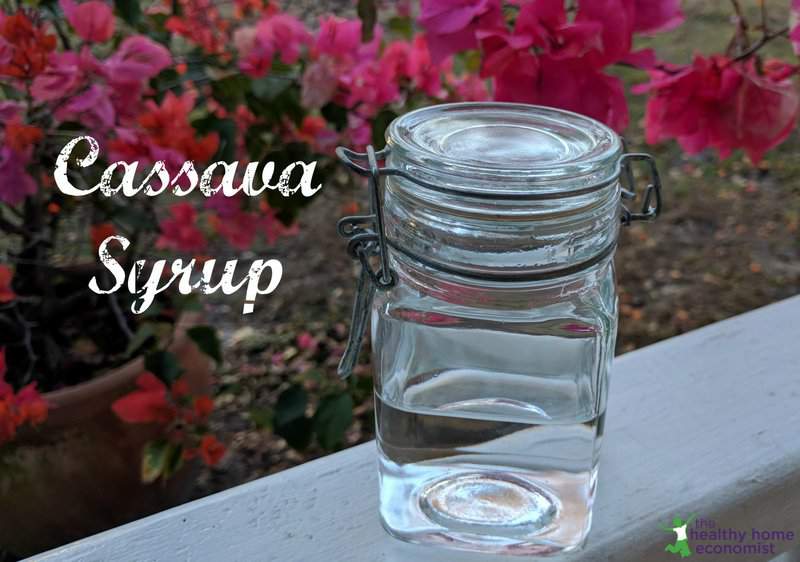
In recent years, cassava has surged in popularity as a grain-free, hypoallergenic food ingredient. Food producers have responded by creating a variety of processed items from the yuca root (not to be confused with yucca). The latest addition is cassava syrup, which is boldly marketed as being "fructose free."
For those familiar with fructose’s downsides, this claim can be quite appealing. After all, high fructose corn syrup (HFCS) is notorious for contributing to belly fat and other health issues. But does this new fructose-free sweetener truly benefit your waistline and overall health, as its marketing suggests?
The Yuca Root as a Source of Sugar
Globally, cassava is also known as manioc or Brazilian arrowroot. This woody shrub originates from South America. Its large, starchy edible roots rank as the third largest source of carbohydrates globally, after rice and maize in tropical regions.
Cassava flour is produced from the tuberous root. Most Americans are already acquainted with tapioca, a slightly more processed form of cassava starch. However, in many parts of the world, the root, starch, and flour forms are staples. In fact, nearly a billion people rely on yuca as a dietary mainstay, with consumption dating back thousands of years, and around ninety countries depend on it as a primary food.
The root is rich in carbohydrates and starches but contains very little natural sugar. One cup of yuca provides 330 calories, mostly from carbohydrates (78 grams or 312 calories), with only 3.5 grams (14 calories) coming from sugar.
At first glance, cassava doesn’t seem like an ideal source for producing significant amounts of sugar. Or is it?
From Starch to Sugar: How Cassava and Tapioca Syrups Are Made
Yuca’s low sugar content is no obstacle for modern chemistry, which builds on age-old methods of sugar production. Enzymes can convert many starches into sugars, as we saw with rice syrup.
This is exactly the process one company uses to create cassava syrup:
Natural enzymes are used to convert raw cassava into this sweet, neutral-flavored syrup. It’s fructose-free, vegan and gluten-free and is lower in calories and carbohydrates than regular cane sugar. (1)
Incidentally, enzymatic processes are also employed to make tapioca syrup, which similarly comes from the cassava root. Tapioca flour is used instead of cassava flour, making it slightly less processed. Tapioca syrup is a common substitute for corn syrup in processed foods aimed at health-conscious consumers.
Interestingly, a similar process explains why sweet potatoes and other tuberous plants are traditionally cured before eating. Tubers need time for their natural enzymes to break down hard-to-digest starches into simpler, sweeter components. The question is, does this approach yield a healthy or beneficial final product for cassava? How does it stack up against other natural sweeteners?
Cassava Syrup Versus Other Sweeteners
There are several ways to evaluate sweeteners. One is by comparing glycemic index (GI). Unfortunately, I couldn’t find a reliable source for cassava syrup’s GI. Since it’s a new product, no tests seem available. However, it’s likely quite high because it consists of 35% glucose (GI 100) and 35% maltose (GI 105).
Another method is to examine the sugar molecule composition. Because yuca-derived syrup is fructose free, this alone may give it market appeal, as few other sweeteners share this trait. A senior brand manager at Madhava commented on fructose-free cassava syrup:
Due to the fact that organic cassava is fructose free, it’s an excellent option for people who are fructose intolerant. The sugar profile is 35% glucose [GI of 100], 35% maltose [GI of 105], and 30% complex [carbohydrates]. The neutral-flavored syrup adds natural sweetness to food and beverages. (2)
Fructose Malabsorption
Did you know that some people cannot digest fructose? Others who consume too much fructose may be prone to canker sores. This is a real issue and a significant problem for those affected.
Some people cannot completely absorb fructose in their small intestine-the beginning part of the digestive tract. The undigested fructose is then carried to the colon where our normal bacteria rapidly devour it. In the process, the bacteria produce gases which cause the intestine to swell. This is experienced by the person as bloating, cramping, gas and distention. Diarrhea may also occur due to the undigested particles of fructose. (3)
For individuals with this condition, fructose-free sweeteners are rare. Cassava syrup is one of the few options they can consume. However, there is also widespread negativity toward fructose today (partly due to its unfortunate link with high fructose corn syrup), so even those without known fructose issues seek low- or no-fructose alternatives.
Nutritional Profile of Cassava Syrup
Another way to compare sugars is by their nutritional content. Here, cassava falls short when compared to most traditional sweeteners. Cassava is a relatively low-nutrition root vegetable, so any sugar derived from it—whether cassava syrup or tapioca syrup—offers little nutritional value.
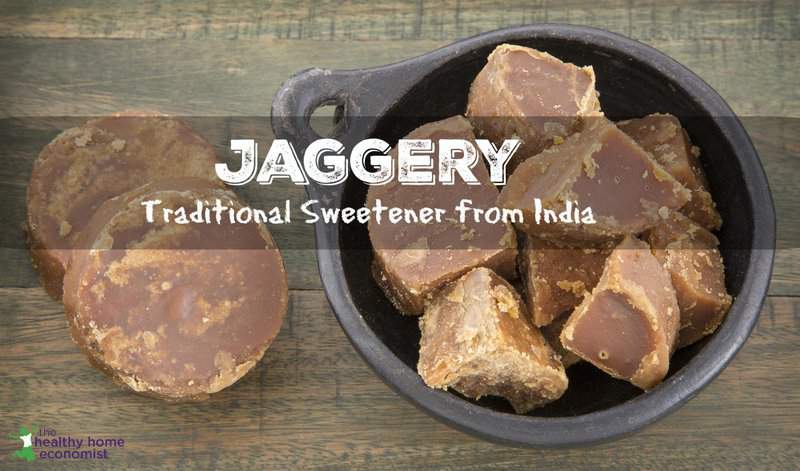
Compared to raw honey, maple syrup, palm or cane jaggery, and many others, cassava brings almost nothing nutritionally to the table in the natural sugar category.
How Sweet Is It?
Finally, we can compare relative sweetness. Not all sugars are equally sweet. Less sweet sugars generally require using more to achieve the same effect. For instance, honey is about twice as sweet as standard sugar, so less goes further.
Cassava syrup is less sweet than traditional sugars and herbal sweeteners like stevia. Therefore, you need to use more to reach the same level of sweetness.
Cassava Syrup and Healing Diets
Because syrups made from cassava root do not contain the disaccharide sucrose, some may assume they are safe for healing diets such as GAPS.
However, note that 35% of cassava syrup is maltose, which is a less commonly known disaccharide. Hence, this sweetener is unfortunately not advisable for resolving gut imbalance issues. Stick with fruit, honey, or date sugar only.
Other Benefits of Cassava Syrup
Beyond being fructose free, cassava syrup’s main selling point seems to be its flavor. Honey, maple syrup, molasses, malted barley, date syrup, and many other liquid sweeteners have strong taste profiles.
This makes them difficult to use in certain foods and dishes, as they can significantly alter the flavor. Cassava syrup has a neutral flavor, more similar to refined sugars, making it an easier substitute in baking and cooking.
Organic Cassava Syrup
Since cassava is a low- to no-spray crop, organic cassava syrup is affordable. A sixteen-ounce (pint) bottle costs under ten dollars online. At a health food store, it may be a dollar or so less. That puts it at about $48 per gallon, roughly the same price point as raw honey and maple syrup.
Yuca Syrup Bottom Line
If you suffer from fructose malabsorption, cassava syrup could be a sensible sweetener substitute. Or, if you have a dish that truly requires a neutral flavor profile, it might make sense when more nutritious maple syrup or other traditional sweeteners won’t work.
Otherwise, I see few benefits to cassava syrup. Choosing whole sweeteners with much more nutrition is a smarter move.
Although it is made using principles of other traditional sweeteners—enzymatic breakdown to turn starch into sugar—I found no evidence that traditional peoples who consumed yuca root engaged in this process. Therefore, it cannot be considered a traditional sweetener either.
Interestingly, you might consume cassava syrup without even knowing it! Many companies use it and its cousin tapioca syrup in manufacturing “other packaged products, including coatings, bars, confectionary, and baked goods.” (4)
In my view, this is great news, especially if they use cassava as a replacement for rice syrup, which has widespread arsenic issues.
Will you try cassava syrup anytime soon? What has been your experience with it?
John Moody is the director of Steader, an author, speaker, farmer, homesteader, and Real Food activist. Most importantly, he is husband to an amazing wife and five awesome kids. John speaks nationally at a wide range of events, writes for numerous publications, and consults for farmers, homesteaders, and food businesses. He has two books forthcoming.