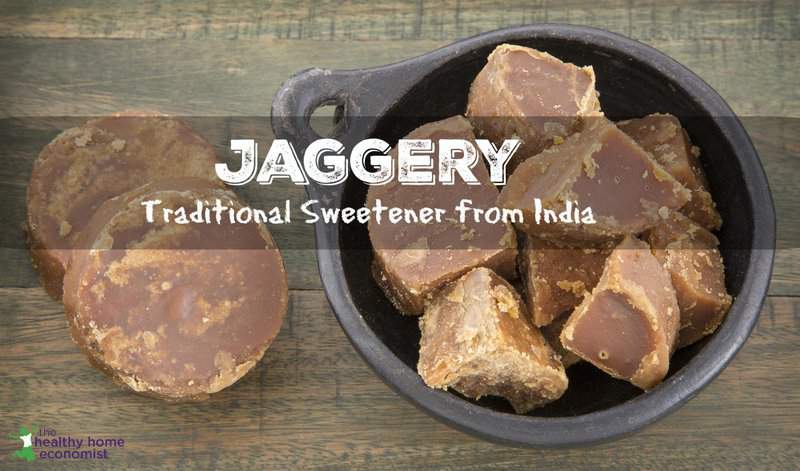
Across continents and centuries, jaggery has stood as one of the most enduring natural sweeteners, with deep roots in Asian, African, and South American cultures. Only raw honey matches its geographic and historical reach.
Although Western consumers largely remain in the dark about this heritage food, it can serve as a wholesome, nutrient-dense alternative to highly processed sugars—provided you understand how to select a quality product.
Varieties of Jaggery
Two principal varieties exist. The first is date jaggery, sometimes labeled palm jaggery. Both names refer to the same product and reflect its botanical origin: the date palm.
Palm or Date Jaggery
Producers harvest the sap flowing from date palm trees and reduce it through boiling, a method that mirrors how Native Americans traditionally crafted maple syrup and maple sugar.
Since this variety enjoys greater prestige, locating it beyond traditional tapping regions can prove challenging.
Sugarcane-Based Jaggery (Gur and Panela)
The second variety comes from sugarcane.
To create this widely produced form, raw sugarcane juice evaporates with its molasses intact. After sufficient reduction through boiling, the concentrate is shaped into molds and sliced into blocks.
South Americans call this sweetener panela, while indigenous Indian populations know it as gur. Numerous regional monikers also circulate throughout India, such as: (1)
- Bellam in Telugu
- Vellam in Tamil
- Charkara in Malayalam
- Bella in Kannada
- Gul in Marathi
The Role of Sap Quality
For sugarcane-derived gur, sap quality determines everything. This explains the remarkable range of flavors—some batches carry a salty-sweet profile while others lean rich and full-bodied.
Whatever words you reach for, this age-old sweetener delivers pure delight on the palate! One food writer famously likened it to a fusion of "spicy molasses and buttery caramel." (2)
Now you understand its enduring popularity!
Comparing Jaggery to Unrefined Cane Sugar
Sugarcane jaggery shares certain characteristics with conventional cane sugar. Initial production stages align perfectly: harvest the cane, then boil it to extract the sap.
The resemblance stops there.
While refined cane products—white and turbinado sugars—continue through extensive additional processing, jaggery takes a different path.
Rather, the cane sap simmers continuously until it reaches a dense, paste-like consistency. Skilled craftspeople then transfer this paste into molds or block forms, allowing it to firm up.
Even unrefined cane sugar (sucanat) and jaggery diverge in notable ways:
- Compared with sucanat, jaggery offers a deeper, more complex taste.
- Its potency means just a small quantity satisfies. Traditional societies discovered this long ago, using minimal amounts to curb post-meal sweet cravings.
- Off the spoon, the texture feels soft and indulgent—so soft that cooks commonly grate portions using a standard cheese grater. Sucanat, by contrast, comes in hard, crystalline granules.
- Since jaggery dissolves readily, it works wonderfully in recipes requiring minimal or no heat application. Homemade ginger ale and fermented root beer illustrate this perfectly.
Understanding Gur's Glycemic Index
Existing data on jaggery's glycemic index (GI) dates back to the late 1980s, when samples registered in the high 80s. The potential for such dramatic blood sugar elevation likely explains why Indian tradition prescribed small servings at meal's end alongside fats, which would substantially dampen the glucose response.
Don't lose heart, though—jaggery deserves fresh testing! Modern GI measurements put white sugar at 80, actually lower than jaggery's decades-old score. A reasonable inference suggests jaggery's genuine GI sits closer to sucanat's 43. Palm and sugarcane varieties warrant separate nutritional and blood sugar impact studies.
Below are GI values for widely used sweeteners for reference:
- Stevia: 0
- Monk fruit: 0
- Yacon Syrup: 1
- Erythritol: 1
- Xylitol: 7
- Agave: 15–30
- Brown Rice Syrup (traditionally made): 25
- Coconut Sugar and Coconut Syrup: 30
- Raw Honey: 35–58
- Malted Barley: 40
- Sucanat: 43
- Maple Syrup: 54
- Blackstrap Molasses: 54
- Turbinado Sugar: 65
- White Sugar: 80
- Jaggery: 80+ ???
- Cassava Syrup: 90
- Glucose: 100
- Maltose: 105
Nutritional Composition
Magnesium (30%), along with phosphorus, iron, and potassium, features prominently in jaggery's nutritional makeup. Its antioxidant readings also surpass those of typical sugars, almost certainly a consequence of the heavy molasses concentration. (3)
Jaggery's impressive magnesium levels probably account for its enduring reputation—both historically and in modern India—as a remedy physicians and laypeople alike recommend for diverse complaints. These range from muscle and leg cramps to sleeplessness and irregular heartbeat.
Health and Medicinal Applications of Jaggery
Given sweetener consumption's deep historical and cross-cultural significance, we should first acknowledge that sweet foods carry no inherent evil!
Skeptical? Remember that humans possess taste receptors specifically tuned to detect sweetness—evidence that such foods hold biological value. Strong, healthy Native American populations, for instance, highly valued maple syrup and maple sugar.
Sadly, our inherent attraction to sweetness gets exploited by refined and artificial sweeteners. These additives permeate processed food products, fostering dependence on sweetness for countless individuals.
How does jaggery measure against commercial sweetener alternatives? Above all, it qualifies as a "good" sugar, savored by thriving traditional societies over thousands of years. Whole and crafted by hand, it retains its complete nutritional profile.
That said, sugarcane jaggery likely trails date and coconut jaggery in nutritional density, though those varieties prove harder to source. Empirical data confirming this assumption remains limited.
Current Research Findings
Research on jaggery remains sparse. Confirmed data shows it delivers more vitamins and minerals than white sugar, high fructose corn syrup, stevia, and sugar alcohols including xylitol. Most likely, its nutritional standing falls just below—or even matches—honey, maple syrup, and palm sugar.
Unlike these better-researched sweeteners, jaggery lacks an extensive body of evidence documenting its benefits—at least for now. Available studies lean heavily on animal models. One example: the Journal of Environmental Pathology, Toxicology and Oncology featured a 2012 study showing jaggery helped diminish kidney damage in rats. (4)
Another study, this one appearing in Environmental Health Perspectives, demonstrated that rats consuming jaggery tolerated dusty, smoky atmospheres more effectively and showed protection against smoke-related lung lesions. (5)
Hopefully, clinical trials involving humans will follow!
Gur Within Alternative Medicine Traditions
Ayurvedic practitioners classify jaggery as therapeutically useful for addressing respiratory infections. (6)
Throughout India, jaggery remains a dietary cornerstone, credited with preventing and alleviating numerous health concerns. Dr. Manoj K. Ahuja of Sukhda Hospital remarks:
Optimal consumption occurs during winter months, when freshly produced jaggery becomes available. Packed with essential vitamins and minerals, jaggery strengthens immunity, generates warmth, helps alleviate colds and coughs, and helps regulate body temperature. Indians have relied on this natural sweetener as a staple ingredient since ancient times. (7)
Is Jaggery Worth Adding to Your Diet?
Certain individuals—particularly those committed to preparing heritage dishes with authentic ingredients—may find the effort to obtain premium sugarcane or palm jaggery worthwhile. Others might find sucanat and coconut sugar already meet their needs.
Results will differ! This proves especially true when ancestral cooking traditions depend on jaggery for signature flavors.
Where to Find Organic Jaggery
Today, jaggery is easier to locate and more budget-friendly than ever. Organic jaggery even holds its own against organic sucanat on a pound-for-pound price comparison (this brand offers reliable quality).
So if you're considering a move beyond whole cane sugar toward something with deeper flavor, now is an ideal moment to incorporate gur into your cooking repertoire.
As with many traditional foods, ethnic markets and online retailers frequently serve as the primary sources for jaggery. Opting for organic whenever feasible makes sense, since sugarcane cultivation suffers the same exposure to pesticides, herbicides, and other industrial agriculture pitfalls that plague countless other crops. (5, 6)
Furthermore, while date palm trees generally escape chemical spraying, sugarcane fields often do not—unscrupulous operators sometimes apply glyphosate for pre-harvest desiccation, mirroring practices seen in conventional wheat production. Avoiding conventionally grown sugarcane jaggery is therefore advisable.
The Healthy Home Economist earned her Master's degree from the University of Pennsylvania. A mother of three healthy children, blogger, and best-selling author, she explores how Traditional Diet principles and evidence-based wellness apply within today's households. Her writing has appeared in USA Today, The New York Times, ABC, NBC, and numerous other outlets.