by Dr. Michael Greger; Care2
In the past, food cans were sealed with lead-based solder—so much so that individuals subsisting on canned goods may have succumbed to lead toxicity. Fortunately, this is no longer a concern in the United States. Addressing lead contamination was among the earliest actions taken by the Food and Drug Administration back in 1906, even before the agency was officially named the FDA.
Now that lead has been eliminated, the question remains: are canned foods a healthy option? The answer largely hinges on what is inside the can. For example, if it contains SPAM or another processed meat product, I would likely skip it.
What about canned fruit? We know that fruits and vegetables in general may help guard against death from cardiovascular disease, and fruit appears especially protective against strokes. However, does food processing alter this benefit? One study indicated that unprocessed produce—primarily apples and oranges—seemed better than processed varieties. But that research focused mainly on orange and apple juice. It comes as no surprise that whole fruit surpasses fruit juice in health value.
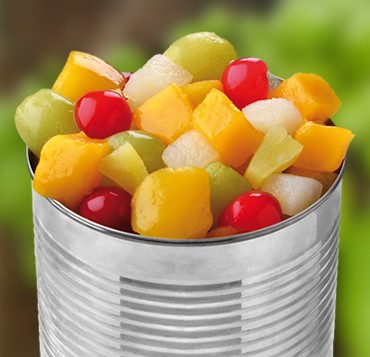
But what about whole fruit that comes in a can? Dietary guidelines encourage eating all types of fruit, whether fresh, frozen, or canned, yet few studies have explored the health advantages of canned fruit…until now. Canned fruit did not appear to extend lifespan. In fact, switching from fresh or dried fruit to canned fruit might even shorten it. Consequently, dietary recommendations may want to emphasize fresh, frozen, and dried fruit over canned options.
What explains this difference? Although cans no longer contain lead, they often have bisphenol A (BPA), a plastics chemical used in the lining of many cans. BPA can seep into the food and potentially offset some of the fruit’s benefits. For instance, recent research linked blood levels of this chemical to thickening of the artery linings leading to the brains of young adults. Additionally, canned fruit is frequently packed in syrup, and the extra sugar along with the canning process itself may reduce certain nutrients, potentially eliminating 20 to 40 percent of phenolic phytonutrients and roughly half of the vitamin C.
One reason citrus fruits may be especially protective against stroke is their vitamin C content. It appears that higher levels of vitamin C in both our diet and bloodstream are associated with a lower stroke risk. The way to get vitamin C into the bloodstream is by consuming plenty of healthy foods, such as citrus and tropical fruits, broccoli, and bell peppers. “Therefore, the observed effect of vitamin C on stroke reduction may simply be a proxy for specific foods (eg, fruits and vegetables) that causally lower stroke” risk. How could researchers determine this? Instead of using food, they gave people vitamin C pills to see if they worked—and they did not.
This may be because citrus fruits contain a variety of other compounds linked to reduced stroke risk, proving that the whole is greater than the sum of its parts. You cannot capture Mother Nature in a pill. Consider the apocryphal beta-carotene story. Dozens of studies showed that people who consumed more beta-carotene-rich foods, like greens and sweet potatoes, and consequently had higher beta-carotene levels in their systems, faced a lower cancer risk.
What about beta-carotene supplements instead of whole foods? Researchers tried giving beta-carotene pills to people. Not only did they fail to work, but they may have even increased cancer risk. I assumed the National Cancer Institute researcher who conducted this study would draw the obvious conclusion: produce, not pills. But, no. Instead, the researcher questioned whether he should have tried lower-dose pills, alpha-carotene pills, pills with other phytochemicals, or various combinations. After all, he stated, “[i]t is likely that neither the public nor the scientific community will be satisfied with recommendations concerned solely with foods…”