by Ty Bollinger; The Truth About Cancer
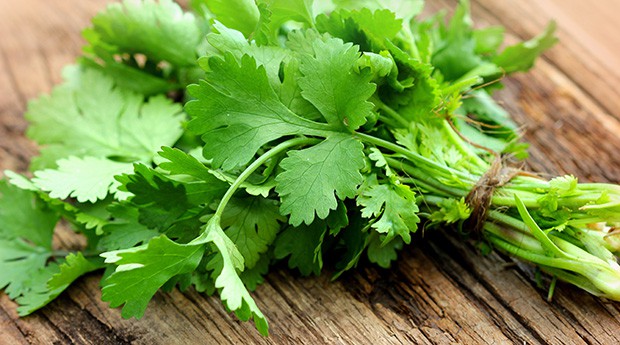
For countless generations spanning the globe, the vibrant lemony tang of one of humanity's oldest herbs, cilantro, has delighted palates far and wide. Scientifically classified as Coriandrum sativum, this herb has secured a treasured spot in kitchens across continents, with a culinary lineage stretching back to humanity's earliest days. Yet beyond its cooking appeal, cilantro carries an extensive scientific record detailing its healing potential.
Belonging to the Apiaceae plant family, which also includes parsley, carrots, and celery along with roughly 3,700 additional species, cilantro teems with therapeutic compounds that researchers believe may nourish the body and help clear it of harmful substances. Brimming with essential vitamins, beneficial minerals, and protective antioxidants, cilantro stands out as a simple way to boost a meal's nutritional profile.
Known by alternate names like coriander and Chinese parsley, cilantro delivers both flavor and nourishment, which explains its presence in cuisines spanning continents. Wherever it appears, cilantro brings a vivid spark to dishes. Because it's also inexpensive and easy to find at virtually any supermarket, picking up a fresh bunch to whip up something like homemade guacamole offers a practical path to boosting your intake as part of a wholesome eating plan. But does cilantro truly live up to its health reputation?
Cilantro: A Mighty "Superherb" in Tiny Form
Frequently labeled a "superherb," cilantro delivers remarkable value relative to its modest size. It supplies vitamins A and K, alongside notable levels of vitamin C with manganese also present as a trace mineral. Additional nutrients include B-complex vitamins, calcium, iron, zinc, phosphorus, potassium, and magnesium. [1]
In the antioxidant arena, cilantro stands shoulder to shoulder with the strongest contenders. Its antioxidant strength is so notable that the herb is regularly employed as a natural preservative, with cilantro oil helping slow oxidation and extend the freshness of foods. [2] Studies have also highlighted cilantro's antibacterial qualities, showing it can fend off infections including Salmonella.
A research team at the University of California, Berkeley shared their work in the Journal of Agricultural Food Chemistry in 2004, demonstrating that cilantro extracts could suppress multiple bacterial strains. A key compound in the herb, which the researchers labeled "dodecanal," doubled the effectiveness against Salmonella relative to the standard antibiotic gentamicin. [3] Lead investigator Isao Kubo and his team were astonished by how well cilantro performed at shielding against specific health threats.
Harnessing Cilantro to Flush Out Dangerous Heavy Metals
Modern life exposes us to environmental pollutants, and we unknowingly absorb various chemicals, with aluminum and lead among the worst offenders. Fortunately, science has identified certain natural agents that may counteract these exposures, with cilantro showing particular promise. Multiple studies indicate that routine cilantro intake may support the body's cleansing processes. It accomplishes this by attaching to heavy metals and ferrying them out of the digestive tract plus any tissue deposits they've settled into − a mechanism called chelation.
For example, one rat-based investigation revealed that subjects fed substantial cilantro quantities experienced markedly enhanced lead excretion after a few weeks of supplementation. [4] A separate article featured in Acupuncture & Electro-Therapeutics Research documented cilantro's success at removing toxic mercury from the body, mercury being one of the most alarming heavy metal contaminants known. [5]
Removing heavy metal buildup matters greatly because these substances can harm the brain, muscles, endocrine function, and even skeletal integrity. Once metals reach these tissues, they may trigger organ dysfunction, hormonal disruptions, and oxidative damage that fuels chronic inflammation and additional harm.
Dr. Yoshiaki Omura, MD, who leads the Medical Research division at the Heart Disease Foundation in New York, has noted that patients taking antibiotic medications may actually increase their risk of accumulating dangerous heavy metals over time. Work Dr. Omura contributed to showed that cilantro can reverse this harm and assist individuals suffering from long-term health issues stemming from antibiotic use. [6]
Soothing Digestive Woes with Cilantro
In addition to its metal-removal talents, cilantro has served for generations as a folk remedy for stomach troubles, including gas and bloating, acid reflux, and abdominal cramping. Cilantro holds yet another advantage over competing herbs: it could stimulate the body's natural release of digestive enzymes − accelerating food breakdown and encouraging efficient nutrient uptake within the gut.
When consuming heavily spiced dishes, cilantro can also temper their heat and make them easier on the stomach. (Here "cooling" refers to flavor sensation rather than literal food temperature.) This ability to offset spiciness while simultaneously amplifying the spices' positive effects suggests cilantro operates in a class of its own among culinary herbs.
People dealing with persistent bloating, cramps, or general stomach discomfort may find relief by increasing their cilantro consumption, as might those recovering from food poisoning. Such conditions often stem from insufficient intake of detoxifying whole foods, a category where cilantro excels.
Findings released in the International Journal of Food Microbiology during 2002 showed cilantro can effectively combat Listeria, a food-borne bacterium that occasionally proves fatal. Even when stacked against comparable herbs such as dill and eucalyptus, none matched cilantro's potency. [7]
The benefits don't end there. Research links adequate cilantro consumption to potential improvements in neurological inflammation, skin conditions, urinary tract infections, and cardiovascular concerns. Cancer prevention also appears connected to cilantro, with findings suggesting the herb may guard against colon cancer. [8]
As this overview illustrates, cilantro offers an impressive spectrum of possible wellness benefits, many of which faded from common knowledge over time. The encouraging news is that cilantro is regaining recognition, and embracing it is as simple as visiting a nearby grocery store or selecting a clean supplement crafted from pure, unadulterated ingredients − in the form nature created them to be.