by Azriel ReShel; UPLIFT
Could this be the answer we have been hoping for?
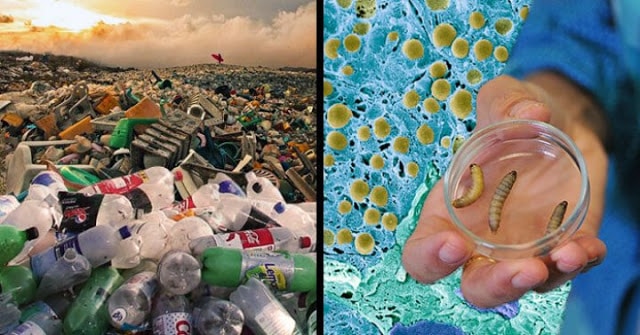
An unexpected scientific achievement has resulted in a modified enzyme that can decompose plastic beverage containers. This finding could represent a major advancement in addressing the global plastic contamination issue, as it would allow plastic bottles to be genuinely and completely recycled.
The accidental breakthrough emerged from investigations into the 2016 identification of plastic-consuming bacteria at a Japanese landfill. These microbes had adapted to feed on plastic by releasing a crucial enzyme. While attempting to learn more about the enzyme these organisms used to consume plastic bags, an international group of researchers altered the enzyme and unintentionally enhanced its ability to degrade plastic. This newly modified enzyme can break down more resilient plastics, such as bottles. Professor John McGeehan from the University of Portsmouth, who oversaw the study, described it as a significant discovery and told the Guardian:
“Our goal is to employ this enzyme to convert plastic back into its original building blocks, allowing us to literally recycle it into new plastic,” McGeehan stated.
Annually, more than 300 million tons of plastic are produced worldwide. Because it cannot decompose naturally, this plastic causes extensive pollution and environmental harm. Today, plastic blankets much of the Earth. Plastic bottles are especially problematic due to their high resistance to degradation, with only 14% being recycled globally. However, this new discovery could transform that situation. How It Functions
The exceptionally durable plastic used in bottles, known as PET, normally requires centuries to break down. The enzyme is generated by a bacterium that consumes PET, and a living version was found by scientists at a Japanese bottle recycling facility. The scientifically altered enzyme, called PETase, can remarkably start degrading plastic bottles within just a few days. Current limited recycling methods for plastic bottles can only convert them into plastic fibers used for items like clothing and carpets, but this new enzyme can recycle bottles back into clear plastic, reducing the need to manufacture new plastic.
The fresh research was recently published in the journal Proceedings of the National Academy of Sciences by the UK research group. The team determined the precise structure of the enzyme produced by the bacterium using an intense focused beam of X-rays, known as the Diamond Light Source, which is an astonishing 10 billion times brighter than the sun. The Diamond Light Source reveals individual atoms and enabled the researchers to view the enzyme's structure with clarity.
Prospects for Plastic's Future
The scientists suggest that other types of plastic could be broken down by bacteria currently evolving in the environment, and they are actively searching for these with the goal of finding a large-scale solution for the ocean's plastic accumulation. They are optimistic that within a few years, a bacterial or enzyme-based plastic-degrading spray could be developed and applied to the Great Pacific Garbage Patch.
Utilizing this new enzyme could completely transform the plastic recycling process. Researchers are celebrating this as a landmark achievement in our capacity to combat the global plastic pollution issue. Science created plastic, nature provided a solution to the recycling challenge, and now science has enhanced what nature began. A remarkable collaborative effort for protecting the environment.
%22%20%2F%3E%0A%20%20%20%20%20%20%3Cstop%20offset%3D%22100%25%22%20stop-color%3D%22hsl(121%2038%25%2069%25)%22%20%2F%3E%0A%20%20%20%20%3C%2FlinearGradient%3E%0A%20%20%3C%2Fdefs%3E%0A%20%20%3Crect%20width%3D%221200%22%20height%3D%22750%22%20fill%3D%22url(%23bg)%22%20%2F%3E%0A%20%20%3Ctext%20x%3D%22600%22%20y%3D%22286.5%22%20text-anchor%3D%22middle%22%20fill%3D%22hsl(130%2052%25%2036%25)%22%20font-family%3D%22Inter%2C%20ui-sans-serif%2C%20system-ui%2C%20sans-serif%22%20font-size%3D%2224%22%20font-weight%3D%22700%22%20letter-spacing%3D%220.22em%22%3ETECH%3C%2Ftext%3E%0A%20%20%3Ctext%20text-anchor%3D%22middle%22%20fill%3D%22hsl(327%2038%25%2020%25)%22%20font-family%3D%22Georgia%2C%20'Times%20New%20Roman'%2C%20serif%22%20font-size%3D%2250%22%20font-weight%3D%22700%22%3E%3Ctspan%20x%3D%22600%22%20y%3D%22351.5%22%3EYouTube%26apos%3Bs%20So-Called%20%26apos%3BOpen%3C%2Ftspan%3E%3Ctspan%20x%3D%22600%22%20y%3D%22410.5%22%3ELetter%26apos%3B%20on%20Logan%20Paul%20Is%3C%2Ftspan%3E%3Ctspan%20x%3D%22600%22%20y%3D%22469.5%22%3EAnything%20But%20Transparent%3C%2Ftspan%3E%3C%2Ftext%3E%0A%3C%2Fsvg%3E)