by Zoe Blarowski; Care2
There's no need to splurge on pricey pills to boost your mental performance. Plenty of ordinary backyard greenery has been scientifically shown to safeguard brain health and sharpen recall. Most of these varieties thrive either in pots inside or in an outdoor plot. Keep reading to explore some of the finest options for nurturing your mind and memory. Grow These Powerful Plants at Home to Sharpen Your Memory and Brain Function:
1. Peppermint
Peppermint packs a wide range of wellness perks. When brainpower is the focus, just inhaling its aroma can deliver a lift. In one experiment, volunteers carried out a cognitive assessment in a room scented with peppermint versus an unscented one. The peppermint group displayed noticeably stronger memory recall and greater wakefulness than those in the odor-free space.
How to Use: Display fresh or dried peppermint bundles throughout your living areas. A steaming mug of peppermint tea beside your desk could help sustain focus. The herb also adds a tasty note to salads, savory recipes, and sweet treats.
2. Sage
Salvia officinalis, the standard cooking sage, has demonstrated value in addressing Alzheimer's and bolstering recall. In one trial, Alzheimer's sufferers who consumed a daily sage extract supplement showed improved cognitive performance and appeared calmer after four months of use. Additionally, both ingesting sage and breathing in its scent have been linked to better memory in healthy grown-ups.
How to Use: Brew sage into a tea and sip it each day. It also pairs nicely with dishes like risotto, fettuccine alfredo, or pesto. To fill a room with its scent, scatter fresh or dried sage bundles around.
3. Turmeric
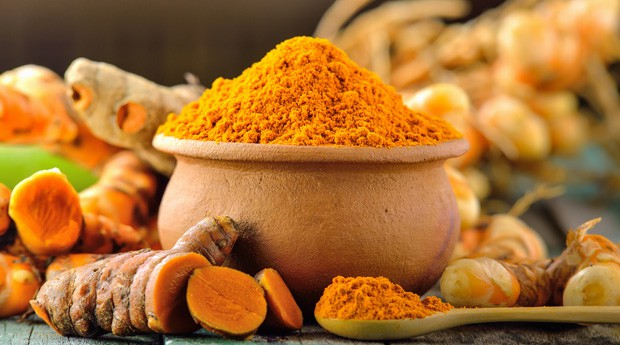
Curcumin, turmeric's primary active compound, has been tied to an extensive list of health advantages. One investigation revealed that volunteers experienced meaningful gains in memory and focus within just one hour of consuming a curcumin supplement. After four weeks of use, they also saw boosts in working memory, vitality, and tranquility, along with reduced tension.
How to Use: Turmeric can be enjoyed in countless ways. Browse these flavorful turmeric recipes, or experiment with other inventive applications for the spice.
4. Rosemary
Rosemary (Rosmarinus officinalis) has served as a memory booster for centuries. More recent research confirms that rosemary heightens alertness and enhances long-term recall. A notable 2013 investigation discovered that inhaling rosemary's fragrance improved the likelihood of remembering to carry out intended tasks.
How to Use: Combine roughly one tablespoon (17 milliliters) of dried rosemary with one cup (250 milliliters) of boiling water and steep for ten minutes. Sip the brew daily. Suspend fresh or dried rosemary bundles in your home to assist with daily task recall.
5. Thyme
Thyme has been found to elevate antioxidant concentrations in the brain while also raising levels of beneficial fats, including omega-3 fatty acids. Scientists suspect these effects stem from thyme's rich luteolin content, a flavonoid recognized for its anti-inflammatory and antioxidant qualities. Both common garden thyme (Thymus vulgaris) and wild thyme (Thymus serphyllum) have demonstrated medicinal activity, though other everyday garden cultivars likely offer comparable benefits.
How to Use: Incorporate thyme on its own into any of your beloved meals, or blend it into za'atar. Thyme is also a lovely addition to herbal tea blends.
6. Kale
In ancient Greece, kale was a go-to vegetable for easing rheumatism, supporting eyesight, and aiding memory. Today, we recognize kale as one of the most nutrient-dense foods around. Kale supplies omega-3 fats that nourish the brain. It is also a superb source of lutein, a plant pigment that studies indicate helps preserve healthy brain activity and boosts learning and memory.
How to Use: Some would say kale fits into virtually anything, from blended drinks to tacos to pizza. If you're seeking inspiration, explore these appetizing kale recipes.
7. Ginkgo
Ginkgo biloba ranks among the most thoroughly studied plants for brain and memory support, with a safe history spanning thousands of years in its homeland of China. Its wide-ranging advantages include treating Alzheimer's disease and strengthening both short- and long-term memory. Both the foliage and fruit of ginkgo serve medicinal purposes.
The main downside to cultivating ginkgo is the space it demands. A fully grown ginkgo tree can soar beyond 80 feet (24 meters) in height and spread 40 feet (12 meters) across. Locating a fruit-bearing ginkgo can present another hurdle. Ginkgo trees are dioecious, and only the females yield fruit. Unfortunately, the fruit emits an unpleasant odor, which is why many nurseries cultivate only male specimens.
How to Use: Steep the leaves into a tea or toss them into recipes. When working with the fruit, exercise caution since ginkgo seeds harbor toxins that must be neutralized before consumption. Instructables offers a solid walkthrough on harvesting and prepping ginkgo seeds.
8. Ginger
Ginger is widely celebrated for its anti-inflammatory effects. Studies have demonstrated that ginger specifically diminishes inflammation associated with neurodegenerative conditions, including Parkinson's disease. A separate study found that ginger supplementation enhanced working memory, reaction speed, and concentration in healthy middle-aged adults.
Ginger might appear like an unusual crop, but it's simple to grow at home. Review these thorough guidelines on cultivating your own ginger.
How to Use: Steep chopped fresh ginger in boiling water for a straightforward tea. The more ginger you include, the spicier the result, so use only what suits your taste. You can also prepare a range of other invigorating ginger beverages. On top of that, ginger shines in countless curries, soups, and desserts.
9. Beans
Most beans are rich in choline, a nutrient vital to numerous bodily functions, such as regular metabolism and the production of brain neurotransmitters. Research indicates that consuming sufficient choline through diet may guard against cognitive decline as we grow older.
The simplest beans to raise in your yard are probably the immature varieties, like fava beans, lima beans, or edamame soybeans. If you don't mind a longer wait for your harvest to ripen, you can reap homegrown dry beans such as chickpeas, kidney beans, or lentils. All of these deliver hearty choline content.
How to Use: Immature beans can simply be shelled, lightly steamed, and enjoyed with a pinch of salt. Review these pointers for preparing dry beans, then incorporate your cooked beans into soups, salads, or other recipes.