We're all on a quest for the optimal diet that leaves us feeling energetic and free from pain. The anti-inflammatory diet could be exactly that solution.
Persistent inflammation is essentially the underlying cause of many health issues, including arthritis, IBS, asthma, allergies, heart disease, cancer, Alzheimer's, and even diabetes. According to Karen Lamphere, MS, CN, a nutritionist in Edmonds, Washington, these conditions can improve or worsen based on dietary choices.
Lampere routinely prescribes an anti-inflammatory eating plan to her patients as a path to recovery. She notes that this diet is refreshingly straightforward and instinctive.
Reasons to Embrace the Anti-Inflammatory Diet and a Simple Guide to Getting Started
Understanding the Anti-Inflammatory Eating Plan
The anti-inflammatory diet consists of healthy, whole, unprocessed foods. As Lamphere and many other nutrition experts have observed with their clients, the adage 'you are what you eat' holds profound truth. The goal of consuming anti-inflammatory foods while eliminating processed items is to reduce bodily inflammation. Research underscores two key factors that make this diet so vital and effective for individuals dealing with health challenges or seeking better overall wellness.
First, a 2015 study in the British Journal of Nutrition linked unresolved inflammation to early onset of chronic diseases. Second, according to Lauren Whitt, director of Employee Wellness and adjunct professor of personal health at the University of Alabama at Birmingham, choosing the right foods — specifically anti-inflammatory ones — can combat this disease-promoting inflammation.
That's where the anti-inflammatory diet comes into play, built on core principles such as:
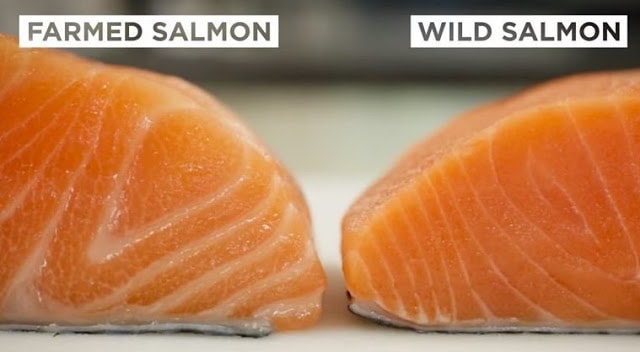
- Healthy fats that fight inflammation form the foundation of this plan. Lamphere suggests incorporating omega-3-rich foods like wild salmon, sardines, herring, anchovies, flaxseed, hempseed, and walnuts. Additionally, extra-virgin olive oil, avocado oil, flaxseed oil, hempseed oil, and walnut oil are also beneficial anti-inflammatory fats.
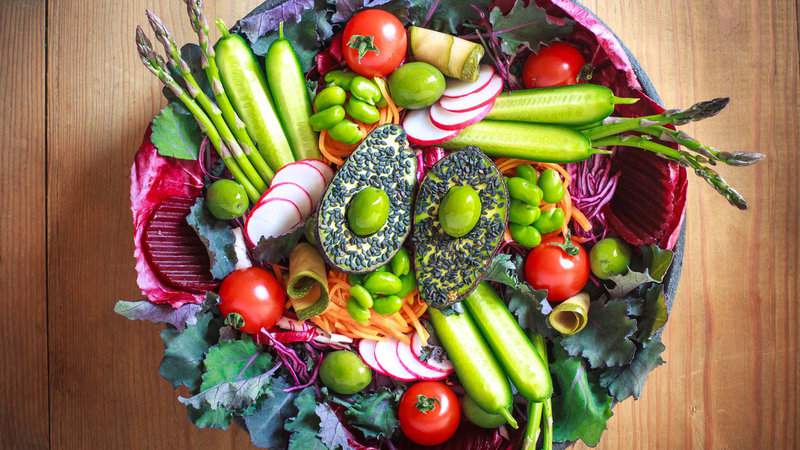
- Fruits and vegetables are packed with antioxidants that reduce inflammation. 'Antioxidant-rich produce like onions, garlic, peppers, and dark leafy greens are crucial,' states Lamphere. 'They contain carotenoids, vitamin K, and vitamin E, all of which combat inflammation.'
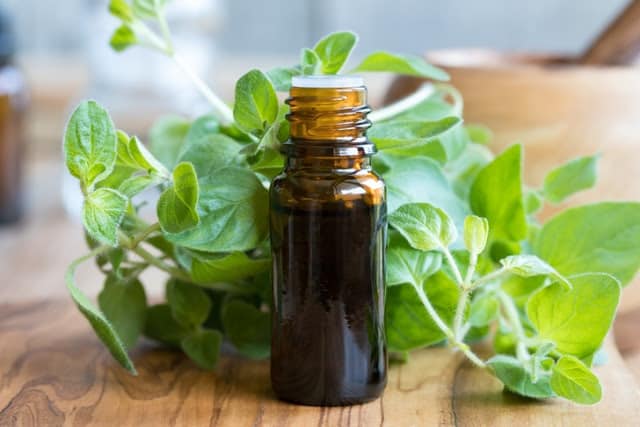
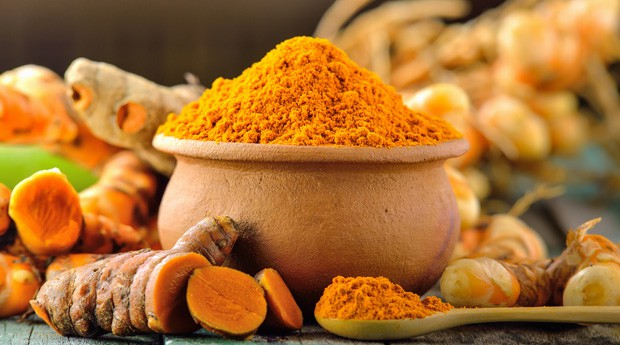
- Herbs and spices offer anti-inflammatory compounds. Lamphere notes, 'Turmeric, oregano, rosemary, ginger, and green tea are rich in bioflavonoids and polyphenols that lower inflammation and curb free radical activity.' She continues, 'Peppers and their derived spices, like cayenne, are among the most powerful anti-inflammatory vegetables. All chili peppers contain capsaicin — the hotter the pepper, the more capsaicin — which strongly inhibits substance P, a neuropeptide linked to inflammation.'
- Certain proteins can also be anti-inflammatory. 'Grass-fed beef has a more favorable saturated fat and omega-3 profile compared to grain-fed beef, making it a better option for an anti-inflammatory diet,' says Lamphere. 'Similarly, organic pasteurized eggs offer a superior anti-inflammatory fatty acid composition versus factory-farmed eggs.' Select your protein sources carefully and strive to minimize saturated fat intake.
Identifying Pro-Inflammatory Foods
The typical American diet is a major contributor to inflammatory conditions.
- Unhealthy fats drive inflammation. 'Individuals on a Western diet heavy in processed and fast foods tend to ingest excessive omega-6 fats while lacking sufficient anti-inflammatory omega-3s. This imbalance triggers inflammation in the body,' explains Lamphere.
- Omega-6 fats are present in corn, safflower, sunflower, peanut, and soybean oils. 'These fats are inflammatory because the body converts them into hormone-like substances that actively fuel inflammation,' says Lamphere. As for trans fats, she explains, 'Trans fat is another highly inflammatory fat, commonly found in processed and fried fast foods. It's best to eliminate trans fat completely.'
- Refined carbohydrates are pro-inflammatory. White flour, sugar, and high-glycemic foods worsen inflammation. Lamphere cautions, 'Such foods spike insulin and glucose, increasing the production of pro-inflammatory signaling molecules.'
- Food allergies or sensitivities may also contribute to inflammation. 'Many individuals are intolerant to wheat and dairy proteins, which can trigger an inflammatory cascade beginning in the gut and spreading throughout the body,' notes Lamphere.
Getting Started with an Anti-Inflammatory Eating Plan
Lampere recommends this diet for those with inflammatory conditions as well as healthy individuals seeking a nutritious eating pattern. To begin, she stresses the importance of reducing unhealthy fat intake by eliminating omega-6-rich oils while boosting consumption of healthy fats like extra-virgin olive oil and omega-3s.
Dr. Joe Feuerstein, associate professor of clinical medicine at Columbia University and director of integrative medicine at Stamford Hospital, suggests an even simpler approach: focus on what you can eat rather than what you cannot. In his practice, where he frequently recommends an anti-inflammatory diet, Feuerstein finds that using a basic food pyramid makes it easy.
Here is his pyramid, from the base to the apex:
- Base: Eat a variety of colorful vegetables or salads — 2 to 3 servings at lunch and another 2 to 3 at dinner. Also include 2 to 3 fruit or berry snacks throughout the day.
- Second tier: In moderate portions, consume healthy carbs and whole grains such as quinoa, yams, al dente plantains, and whole grain pasta.
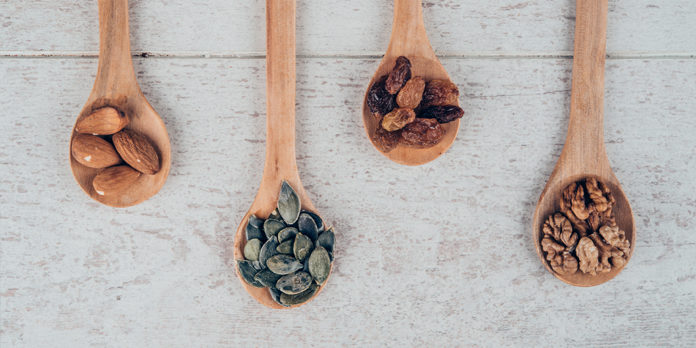
- Third tier: Include nuts and seeds, for example almonds, along with hemp, avocado, and olive oils.
- Fourth tier: Consume anti-inflammatory proteins in moderation — whole soy products like tofu and tempeh, plus cold-water fish such as herring, mackerel, sardines, sockeye, or salmon.
- Fifth tier: Incorporate small portions of other proteins, including eggs, skinless poultry, natural cheese, or bison.
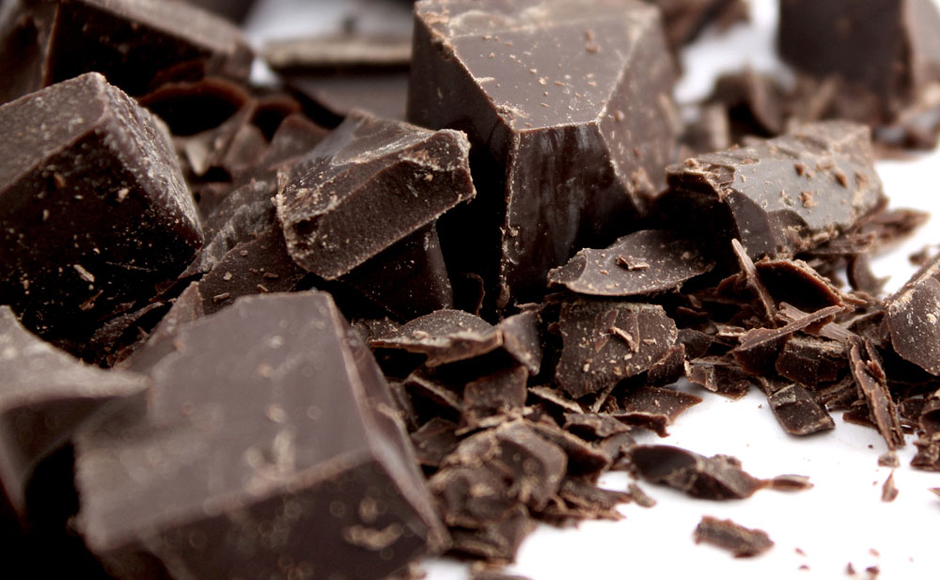
- Apex: At the very top are dark chocolate, green tea, spices, and a modest amount of red wine.
Also read: How I Lost 15 Pounds | 10 Simple Diet Tips
Regarding what you are allowed to eat, the anti-inflammatory diet is easier than it appears — many indulgences are still permitted. Feuerstein points out that treats at the pyramid's peak, such as dark chocolate and red wine, can be savored in moderation. This balanced strategy, with a reward awaiting at day's end, makes any dietary plan more sustainable.
This article originally appeared in April 2008.
Image credit: Enrique Díaz/7cero/Getty Images (via sheknows.com)