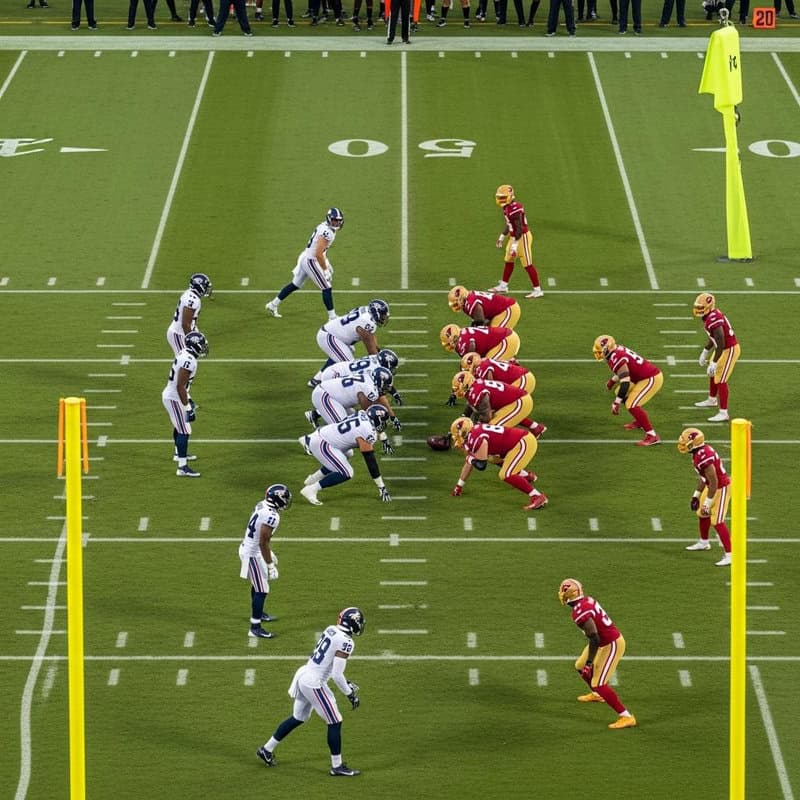
Proper dietary intake stands at the core of how NFL competitors operate on the field. Because the sport demands extraordinary physical exertion, athletes require carefully calibrated fuel sources to maintain excellence across an exhaustive season. Strategic eating habits help cultivate muscular power, prolong stamina, accelerate healing, and preserve top-tier output from week to week.
The following sections break down the construction of individualized eating frameworks crafted for NFL roster members, shedding light on the nutritional science powering championship-level play. You'll see how dietary choices underpin every phase—from preparation and competition to post-game restoration—and why specialists regard meal planning as equally vital as gym work.
Meeting the Physical Toll of the NFL
Custom-crafted eating protocols help professional football players preserve elite output, bounce back quickly, and sidestep injuries. | Generated by Google Gemini
Professional football places among the harshest tests an athlete can face—grueling practice schedules, bone-jarring contact, and tight turnaround windows between contests all push competitors to their limits. Sustaining explosive power, sharp reflexes, and mental clarity across a months-long slate becomes impossible without deliberate preparation.
Custom-tailored eating programs address these elevated caloric demands while promoting tissue rebuilding and lowering susceptibility to harm. Effective nourishment extends past mere energy counts; it hinges on delivering precise nutrients at precise moments to elevate output and durability. For deeper insight into the unique stresses confronting professional gridiron athletes, consult the National Institutes of Health publication.
Calibrating the Three Macronutrients
Carefully calibrated macro ratios power NFL players' on-field results, adjusted for role, physique, and workout volume. | Generated by Google Gemini
Striking the correct ratio of carbs, proteins, and fats remains a cornerstone for any NFL competitor chasing excellence. Carbs deliver both immediate and lasting energy reserves, protein supports the rebuilding and expansion of muscle tissue, and quality fats contribute to hormonal regulation and joint integrity. What one player requires depends heavily on positional demands, physical makeup, and how hard they're pushed in workouts.
Resources such as the USDA DRI Calculator offer a starting point for estimating needs. Throughout the calendar, tweaks get applied—ramping up carbohydrates during heavy training blocks, elevating protein post-exercise for tissue repair, and managing fat consumption for steady fuel. Hitting the right equilibrium sharpens game-day execution while quickening bounce-back and minimizing breakdown.
Securing Vital Vitamins and Minerals
Key vitamins and minerals bolster NFL competitors' skeletal resilience, stamina, post-exercise healing, and general physical capacity. | Generated by Google Gemini
Vitamins and minerals—specifically vitamin D, calcium, iron, and magnesium—serve indispensable functions in safeguarding NFL players' well-being, muscular output, and readiness for battle. Bone density and fracture prevention hinge on vitamin D and calcium, iron carries oxygen to working muscles for sustained effort, and magnesium facilitates post-exercise repair plus neural signaling.
To sidestep gaps, competitors should embrace a varied plate filled with dark leafy vegetables, lean protein sources, dairy selections, nuts, and enriched products. Routine blood panels and professional dietary oversight confirm levels stay in range. Sound micronutrient standing elevates output, trims recuperation periods, and guards against stress fractures and exhaustion. Additional reading is available through the Gatorade Sports Science Institute.
Mastering Fluid and Electrolyte Replacement
Staying ahead of fluid loss keeps NFL athletes powerful, sharp, and primed for recovery through steady water and electrolyte intake. | Generated by Google Gemini
Fluid intake carries enormous weight for NFL competitors; even slight deficits can erode power output, mental sharpness, and healing capacity. Sweat losses during contests and punishing drills open the door to cramping, weariness, and slower reaction speeds. Sound fluid-replacement protocols involve consuming water plus electrolyte-loaded drinks before, throughout, and following exertion to offset losses and keep sodium, potassium, and magnesium in proper proportion.
Tracking urine shade and fluctuations in body mass offers practical feedback on hydration condition. Steady fluid discipline underpins muscular efficiency, rapid in-game decisions, and speedier recuperation. Science-driven recommendations can be found at the NCAA Hydration Tips for Athletes resource.
Strategic Meal Timing Around Workouts
Grilled poultry, quinoa, and oven-roasted produce combine to charge competitors before games and replenish them after sessions. | Generated by Google Gemini
When NFL players eat matters almost as much as what they eat. A well-rounded plate loaded with carbohydrates and moderate protein consumed 2–4 hours before kickoff tops off internal energy stores. During contests and taxing practices, fast-acting options such as fruit or energy gels stabilize blood sugar and extend endurance.
Once the final whistle blows, pairing protein with carbohydrates within 30–60 minutes jumpstarts muscle reconstruction and replenishes glycogen. This choreography of nutrient timing—grounded in sports nutrition research—accelerates bounce-back and readies the body for the following session. Further reading on meal-timing principles can be accessed through the Sports Dietitians of Australia.
Customizing Diets for Each Athlete
A performance dietitian examines a player's profile to assemble a customized nutrition roadmap aligned with specific objectives. | Generated by Google Gemini
Every roster member carries a distinct nutritional fingerprint shaped by positional duties, body composition, metabolic rate, and any preexisting health factors. Consider the contrast between a lineman's calorie and protein demands and those of a cornerback—vastly different. Ongoing evaluations, including body-composition scans and metabolic assessments, allow plans to flex toward objectives like adding lean mass, shedding fat, or boosting endurance.
Registered dietitians and sports nutrition specialists partner closely with players to fine-tune macronutrient splits, manage food sensitivities, and schedule meals around individual ambitions. This bespoke methodology elevates output, sharpens recovery, and safeguards long-term wellness. The Sports, Cardiovascular, and Wellness Nutrition (SCAN) group offers expanded material on individualized athlete fueling.
Final Thoughts
An NFL competitor revels in a score-sealing touchdown, embodying how smart nutrition choices drive gridiron success. | Generated by Google Gemini
Refining dietary habits remains non-negotiable for NFL competitors chasing elite output and lasting health. Grasping the sport's toll, calibrating macros, securing micronutrients, staying ahead of hydration, sequencing meals properly, and tailoring plans to the individual all combine to amplify power, stamina, and recuperation.
Sticking with these fundamentals pays dividends beyond single-game heroics—it lays groundwork for sustained vitality and extended careers. The International Society of Sports Nutrition provides continuously updated guidance for those seeking to expand their knowledge. Embracing these nutritional disciplines equips NFL players to hold a competitive advantage across every facet of their lives.