Almost everyone relies on food storage containers every single day. From packing away last night's dinner scraps to transporting a fresh lunch to the office, the proper container turns everyday tasks into something far more manageable – a philosophy I wholeheartedly embrace.
Rather than ending up with a refrigerator stuffed full of mismatched deli tubs, or nuking leftovers in plastic that might not qualify as food-safe, I've put together a handful of storage strategies that will leave your kitchen tidier, more functional, and far less chaotic.
Glass Versus Plastic
- Glass Containers: Glass containers come with their own set of strengths and weaknesses. These are the ones we keep in our own kitchen, and I genuinely appreciate being able to stash food and warm it up safely right in the same vessel. The OXO Smart Seal Set is completely leakproof, which gives me peace of mind that I won't accidentally drench the floor with soup or smear dressing across a refrigerator shelf. The drawbacks come down to heft – they weigh more than plastic – and cost, since glass tends to carry a steeper price tag.
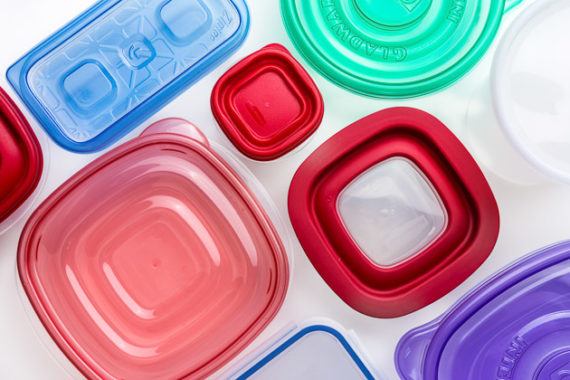
- Plastic Containers: Glass has plenty going for it, but plastic absolutely has its moment. When you're hauling leftovers to the office or bringing food along on a trip, the lighter, shatter-resistant nature of plastic is hard to beat. The Snapware Food Storage Set is a standout because the pieces slide neatly inside one another, seal without leaking, and are constructed from food-safe plastic. I also love that you can jot directly on the surface to mark your leftovers and wipe the writing clean when you're ready to start over.
Form and Dimensions Play a Role
While this might come down largely to personal taste, giving some thought to the shape of your containers is genuinely worthwhile. I'm a fan of round containers, mostly because the bulk of ours happen to be circular, which makes stacking a breeze.
That said, plenty of folks I know prefer rectangular designs since they slot more easily into whatever gaps remain in the fridge. You can essentially play a round of Tetris and squeeze every last bit of usable space out of your refrigerator and freezer.
When it comes to leftovers specifically, I find it handy to own a set that spans a range of sizes, from 1-cup (perfect for small portions of sauce or a quick bite) all the way up to 8-cup (ideal for hearty soups and stews).
Top Picks for Dry Ingredient Storage
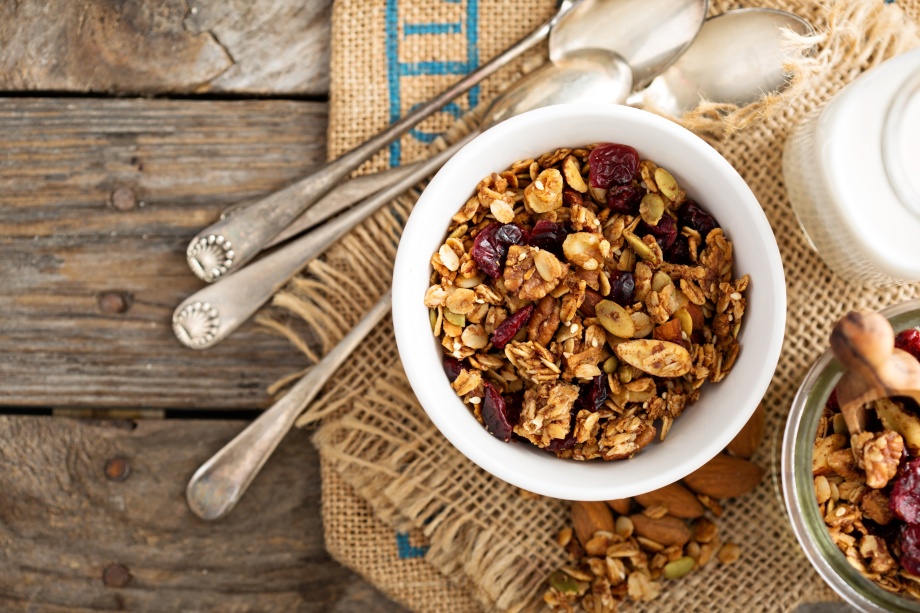
- For keeping snacks, cereal, grains such as rice and polenta, and other pantry basics fresh, I'm a big fan of the OXO Pop containers. Beyond the fact that they're transparent – so you can see exactly what's inside – and they look quite attractive on the shelf, they feature that wonderfully airtight pop closure that locks in freshness. They pile neatly on top of one another and are available in a variety of sizes too!
- Bigger Batches: When you need to stash larger volumes of kitchen staples like flour and sugar, the professional-grade Cambros are my go-to, and you can usually track them down at restaurant supply shops or through online retailers. They're both dishwasher and freezer friendly, and they solve the common problem of running out of room when you're trying to decant a full 5-pound bag of flour or sugar.
Think About Durability
Budget-friendly food containers have a tendency to absorb smells and deteriorate much faster than their glass or premium plastic counterparts.
So even though those inexpensive, single-use plastic tubs from the grocery store can be tempting for all sorts of reasons, your future self will appreciate the decision to put money into a slightly sturdier glass or plastic collection.
How Safe Is Your Plastic?
Whenever I opt for plastic with some of my containers, I make a point of confirming that I'm choosing a "safe" variety – one that's built from materials that won't seep chemicals into the food and drinks I store in them.
BPA-free plastic is the obvious starting point, though that's hardly a foolproof assurance. To skip the deep dive into scientific literature (because who has hours to spare?), the simplest approach I've found is to glance at the recycling symbol stamped on the bottom of most containers:
- Products labeled with a 1, 2, 4, or 5 are the safest choices for food storage.
- The number to steer clear of completely is 7, which typically marks plastics that contain BPA.
Heating Up Leftovers
There's been extensive discussion about the safety of plastic food containers, particularly when it comes to microwaving or warming leftovers right in the storage vessel. Maybe I'm stuck in my ways, but I still like to reheat in glass containers, which takes that whole concern off the table.
The wonderful feature of the OXO Smart Seal containers is that I can chill or freeze leftovers and warm them straight from the fridge or freezer. If I'm packing plastic for the office, I'll just transfer the contents to a regular bowl or plate once I'm in the work kitchen. Both methods work beautifully!
Whip Up a Bright-Pink Beet Hummus in Just 5 Minutes! Give it a go!
Tidying Up Your Existing Container Stash
We've all experienced the struggle. You're emptying the dishwasher and trying to put away your food storage containers, muttering under your breath as the pile of mismatched lids cascades everywhere, wishing you had extra cabinet room.
The trick to putting an end to that annoyance for good comes down to two steps:
- First, set aside a few minutes to go through your container stash and toss every lid that no longer has a matching container.
- Second, aim for containers in a consistent shape so they can nest and stack without any hassle.
If your current collection simply refuses to cooperate, it might be worth considering recycling or donating the old pieces and starting fresh with a new set.
ALSO READ Rumor Has It McDonald's Is Ditching Artificial Ingredients – Get the Real Story Behind McDonald's Menu!