Acne breakouts are not only unsightly but can also be uncomfortable. However, even after the blemishes fade, you're often left with scars. These marks, known as post-inflammatory hyperpigmentation, develop when the skin fails to produce enough collagen to repair the damaged tissue after a breakout.
"Don't squeeze your pimple or it will scar"—you've likely heard this advice repeatedly. Yet, the reality is that scarring can occur even if you resist the urge to pop a zit. However, picking at active acne worsens the damage by increasing inflammation. While it's not a complete solution, the safest approach is to leave your pimples untouched.
Image: Pinterest
Categories of Acne Scars
Each scar is unique, depending on the type of acne you experience. Non-inflammatory forms like whiteheads and blackheads rarely leave marks, and if they do, they're easier to treat. The real concern is inflammatory acne—cysts, papules, pustules, and nodules—which affects deeper skin layers and is far more likely to result in scars that may take months to heal completely.
Before addressing a scar, it's crucial to identify its type. The two primary categories of acne scars are:
Hypertrophic Scars
The simplest way to tell hypertrophic from atrophic scars is that the former are raised while the latter are sunken. Hypertrophic scars are thick, elevated, or bumpy, resulting from an overproduction of collagen in the affected area. Yes, having too much of this protein can actually be problematic.
Atrophic Scars
Atrophic scars are the opposite: they create depressions or craters in the skin due to insufficient collagen for wound healing. These scars fall into three patterns:
• Ice-pick Scars
When collagen is lost during the healing of a blemish, the damaged tissue leaves a narrow, deep hole resembling a puncture. These are common after cystic acne, the most severe form that develops deep beneath the skin.
• Boxcar Scars
These scars typically emerge from red, inflamed acne. They appear as broad marks with sharp, defined edges.
• Rolling Scars
Unlike boxcar scars, rolling scars are broad depressions with softer, sloping edges—almost like miniature valleys on the skin.
Image: Pinterest
Methods to Reduce Acne Scars
Scars don't disappear overnight. They may take weeks or even months to fade, which can be discouraging. However, with the right approaches, you can effectively address them. Here are some helpful treatments:
- Use Chemical Peels
Chemical peels are a popular option, employing acids like AHAs and BHAs to smooth skin, lighten dark spots, and correct uneven tone. They also boost collagen production, which is vital for healing.
• Alpha Hydroxy Acid (AHA)
AHA products such as glycolic acid excel at unclogging pores and exfoliating the skin's surface. Glycolic acid removes dead skin cells, evening out tone and revealing a brighter complexion. Try an AHA toner like COSRX's AHA/BHA Clarifying Treatment Toner, which gently exfoliates, eliminates excess oil, and prevents blackheads and whiteheads.
• Beta Hydroxy Acid (BHA)
Salicylic acid is a common acne-fighting ingredient. As a BHA exfoliant, it offers both anti-inflammatory and antibacterial properties. It penetrates below the skin's surface to clear dead cells from pores. Products with salicylic acid are especially effective for blackheads, easing extraction and speeding healing. COSRX's Natural BHA Skin Returning A-Sol is a toner that repairs and hydrates while curbing bacterial growth.
• Polyhydroxy Acids (PHA)
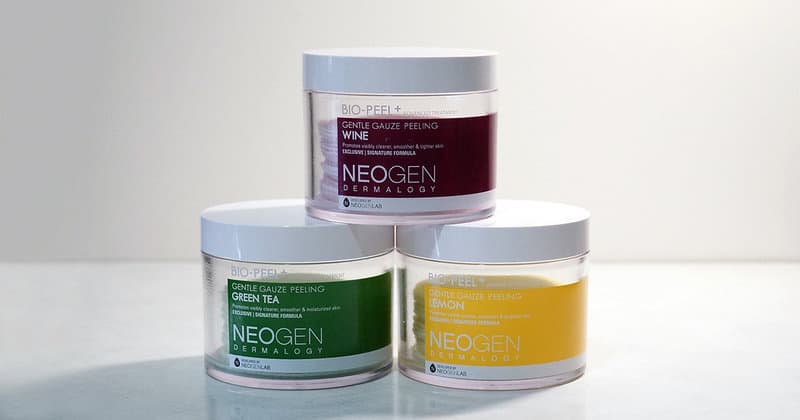
PHAs are the newest acid type, similar to AHAs but gentler. They attract moisture to the skin, preventing water loss, and provide anti-inflammatory benefits. Look for them in facial pads like NEOGEN's Dermalogy Bio-peel Gentle Gauze Peeling Wine, a triple-layered pad that exfoliates gently.
- Add Vitamin C to Your Skincare Regimen
Vitamin C benefits the skin in many ways and plays a key role in treating acne marks. It reduces inflammation, stimulates collagen production, and acts as an antioxidant against free radicals that damage skin.
For fading dark spots, consider By Wishtrend's bestselling Pure Vitamin C Advanced Serum. This paraben-free formula contains 21.5% Vitamin C. With regular use, it brightens and evens out your complexion.
- Apply Sunscreen Every Day
When choosing sunscreen, look for one with zinc oxide. This natural mineral shields skin from UV rays, prevents bacterial infection, and minimizes inflammation. Exposing skin to the sun without protection dries it out and destroys collagen and elastin—the building blocks of healthy skin essential for scar healing. Try Shiseido's Anessa Perfect UV Sunscreen Mild Milk (For Sensitive Skin) SPF 50+ PA ++++, which contains zinc oxide.
- Incorporate Gentle Exfoliants
If your skin is too sensitive for chemical peels or you prefer traditional exfoliation, use mild facial scrubs like YesStyle's bestselling Gentle Black Sugar Facial Polish from Dear, Klairs. This vegan-friendly, sugar-based scrub contains natural ingredients such as black sugar, shea butter, and cranberry oil, which won't irritate sensitive skin. It sloughs off dead cells, removes blackheads and whiteheads, and prevents sebum buildup.
Before treating scars, identify the root cause of your acne to prevent new breakouts and reduce future scarring. If your case is severe or persistent, consult a dermatologist. Remember, treatments that work for someone else may not suit you—everyone's skin reacts and heals differently.
ALSO READ Are Canned Fruits Actually Healthy?
MORE The Bean Body Scrub for Your Best Winter Skin