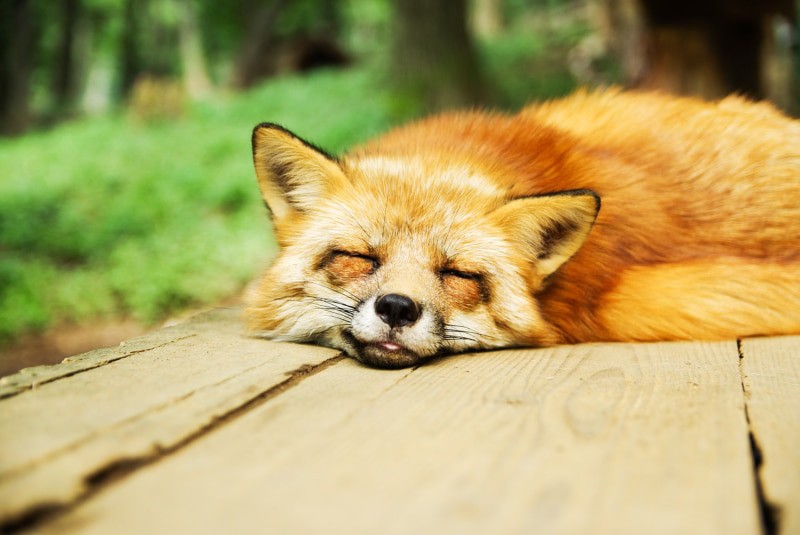
Sleepless nights... Early bird or night owl — which one are you? Count me in as that peculiar feathered creature forever chasing shut-eye... Whether my alarm rings at dawn or I lounge beneath the covers till noon, the outcome never shifts. Eventually, desperation drove me to a physician, who revealed something eye-opening: duration matters, certainly, but quality reigns supreme. Five hours of deep slumber can carry you through an entire day, while tossing and turning for ten hours leaves you just as wrecked by morning.
Image credit: pixabay.com
Armed with that wise counsel, I ventured online to hunt down solutions for quality rest. Surprisingly, I uncovered genuinely useful guidance. Though I haven't fully escaped the ranks of sleep-deprived folks, the trajectory is undeniably upward, and I'm pressing on — which I'd urge you to do as well. Consider this my contribution — no gratitude necessary (although a kind comment wouldn't hurt 🙂).
My Insomnia Confession: The Journey Toward Decent Sleep
Establishing a Routine
Tedious, you're thinking. Fair point — especially when exhaustion has you stumbling into furniture. Jokes aside, fixing your schedule is essential. Let me be upfront: rewiring your habits is no cakewalk. Those late-night marathons of detective thrillers (say, 325 episodes straight) or tear-jerking soap operas? They're officially off the table. When bedtime arrives, you hit the sheets — ideally somewhere between 22 and 24 hours. Every single day, weekends included.
Mornings demand commitment too — when that alarm sounds, you rise. No hitting snooze a dozen times for "just ten more minutes." The first few days feel brutal, but you'll adapt, especially if bedtime the night before was punctual. Your body is remarkably clever — it learns patterns and begins anticipating rest, which dramatically shortens the time needed to drift off.
Image credit: pixabay.com
Physical Activity
Turns out exercise benefits more than just your physique and your gym membership fees. Folks who move their bodies — particularly in the morning — typically feel energized by evening and conk out fast. Physiologists can elaborate endlessly on hormone interplay, but here's what matters: staying active keeps your body humming rather than dragging like a deflated slug.
Recent findings suggest evening workouts also do the body good. The key is avoiding anything too brutal — skip the crossfit-style intensity. But if past experience tells you that exercise leaves you wired (thanks, enthusiastic trainer...), it's wiser to schedule sessions earlier in the day.
I personally carved out a post-work slot, which spares me from late-night raids on the fridge (who wants to eat after an intense ab session?) and gives me ample wind-down time before lights out.
Beware the Tech Trap
Smart bands and their fancy sleep-tracking features? Impressive on paper. Yet plenty of people spiral into anxiety upon seeing constant "insufficient sleep" alerts on their dashboards. Personally, I never monitored that metric, so it never bothered me — but highly sensitive types might find it genuinely distressing.
So deploy technology judiciously: monitor only what genuinely helps, and resist diving into irrelevant data. Far more effective? Taking tangible steps toward better rest — an evening stroll, perhaps, or saving that detective novel for tomorrow.
Image credit: pixabay.com
Managing Tension
Honestly — who genuinely avoids stress these days, dear reader? Career demands, interpersonal dynamics, romance, the political circus... Any of these can trigger sleeplessness. Admit it — don't you occasionally feel some relief from mentally rehashing a situation? Meanwhile, your endocrine system receives distress flares and scrambles to pump out stress hormones in overdrive.
Channel your inner Scarlett O'Hara: postpone that worry until tomorrow. Should tension strike during daylight hours, unwind through meditation or controlled breathing. Reach for alcohol? Absolutely not. From personal experience: the effect backfires spectacularly. You'll spend the night restless AND greet a miserable dawn.
Image credit: pixabay.com
Designing a Sleep Sanctuary
Your bedroom exists for one purpose: slumber. Skip the meals, ditch the television, postpone romance — just sleep 🙂 Sure, life's other pleasures have their place, but come evening, strip the room of those temptations. What remains? A plush mattress piled with fluffy pillows practically begging to embrace you. Add blackout curtains, crisp air, and gentle background music, and you've crafted the perfect sleep companions. Give it a shot — you'll be hooked!
So that's been my journey so far. Sleep has genuinely improved, even if the duration still falls short. Going forward, I'm aiming to lighten my evening meals — something everyone swears by, though I haven't managed it yet. Does that resonate with you?
READ: These Natural Alternatives to Xanax Are Backed by Scientific Research