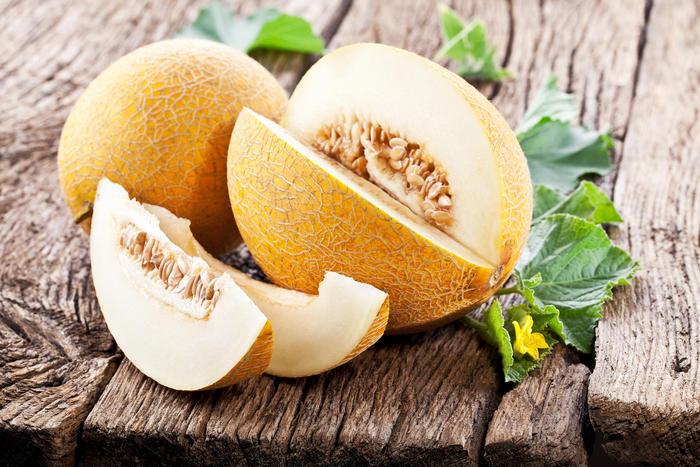
Melon comes in thousands of different varieties, offering a wide range of sweet and tangy flavors. Beyond its distinctive taste, this sun-kissed fruit can play a valuable role in managing certain health conditions or symptoms. Learn today why adding melon to your diet is so beneficial, and try a delicious melon jam recipe to brighten your meals!
Digestive Enzymes and Other Nutrients
Melon is packed with proteins, carbohydrates, and organic acids. Its flesh contains enzymes and minerals that support healthy digestion. Thanks to its dense nutrient profile, melon positively influences the circulatory, nervous, and immune systems.
A Wealth of Vitamins and Minerals
The vitamins and minerals in melon help strengthen bones, regulate breathing, cleanse the skin and mucous membranes, and improve heart function.
Iron is a key element for the circulatory system. It transports oxygen through blood vessels, stimulates hormone production, and bolsters the immune system.
Calcium, magnesium, and silicon work together to create a supportive environment for the nervous system and heart muscle.
Vitamins also contribute to better health. Vitamin B1 strengthens the nervous system and enhances memory, while B2 promotes healthier-looking skin. Vitamin A protects cells from bacteria and viruses, acts as an antioxidant against harmful free radicals, improves lung performance, and sharpens vision. Vitamin C boosts the body's resistance to illness—melon contains a full daily dose. Folic acid, vitamin E, and vitamin PP help regenerate skin, renew brain cells, and rejuvenate the entire body.
Valuable Fiber
Melon provides coarse fiber that stimulates the digestive tract, while its inulin content enriches and renews the microflora of the intestines and stomach. However, overeating melon can produce the opposite effect, so it's best to enjoy this fruit in moderation.
The Health Benefits of Melon and a Melon Jam Recipe
Who benefits from melon…
People with weakened immunity, nervous system disorders, or issues with the circulatory and vascular systems. It is also recommended for those dealing with insomnia, poor bowel function, anemia, atherosclerosis, or kidney and liver diseases.
…and who should avoid it
Patients with diabetes, those with gastrointestinal inflammation, and nursing mothers—since it may cause digestive upset in infants.
Traditional Melon Jam Recipe
A sweet treat can provide real psychological comfort. A spoonful of this aromatic dessert can lift your spirits. And it requires just 2 ingredients! Use 1 kg of melon and 600 g of sugar.
Traditional Melon Jam
For the jam, choose ripe, firm melons. Peel the melon, remove the seeds, and cut the flesh into small cubes. For a thicker jam, add a few bananas during the initial dicing step. For extra flavor, include some lemon zest. Place the melon cubes in a deep bowl and cover with sugar. Wait for the juice to release—juicy melons take about 10–15 minutes, while denser ones may need 30–40 minutes. Put the bowl over low heat, bring to a boil, then immediately remove from heat and let it cool with the lid on.
Bring the cooled melon mixture to a boil again. Cook for no more than 5 minutes if you want to preserve the melon flavor and keep the cubes intact. For a thicker jam, cook longer, gently crushing the cubes as you stir.
Spoon the hot jam into dry, sterilized jars and seal with lids. For short-term storage, let it cool, place in jars, cover with plastic lids, and refrigerate. Enjoy!
Featured image on unsplash.com
Follow GoSeekNest on Instagram and Pinterest!