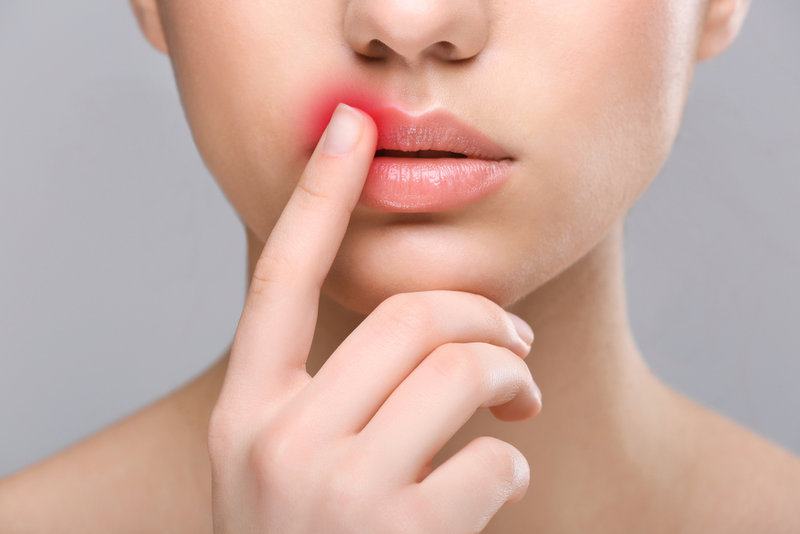
Cold sores, oral herpes, or the devil's kiss—two-thirds of the global population carries this virus. It usually emerges when the immune system is significantly weakened, appearing as fluid-filled blisters on the lips and inside the mouth, most often during the winter months.
A One-Day Strategy to Soothe Herpes Symptoms and Ease Pain
In most carriers, this irritating condition manifests in a mild form once or twice annually. On the first day, a slight tingling or burning sensation on the lips may be felt, followed by visible blisters. Within a day, the burning subsides, but the cosmetic appearance remains unsightly. For the rest of the week, the wound must be concealed until it fully heals.
Most individuals contract the herpes virus before turning five years old. Transmission occurs from mother to child or through contact with other infected children. The type 1 herpes virus also spreads via shared utensils when the infection is active. The risk of infection through kissing a carrier is especially high during flare-ups, when blisters appear and sores are open.
Photo: depositphotos.com
If you find yourself visiting a doctor again, hoping to permanently eradicate this virus, we must disappoint you. Once the herpes virus enters the body, it remains for life. It takes up residence deep within nerve cells and, from time to time—especially during periods of weakened immunity, prolonged UV exposure, stress, depression, hypothermia, or overheating—reappears as itchy blisters of varying sizes on the lips. Yet this does not mean you should give up. Physicians prescribe systemic treatments, most often tablets containing modified nucleotides, along with immunostimulants to boost the body's defenses.
However, those familiar with this persistent affliction usually keep topical ointments in their medicine cabinet to relieve itching and heal sores caused by burst blisters. According to medical guidelines, though, topical drugs are not very effective.
Five Widely Used Home Remedies to Ease the Condition
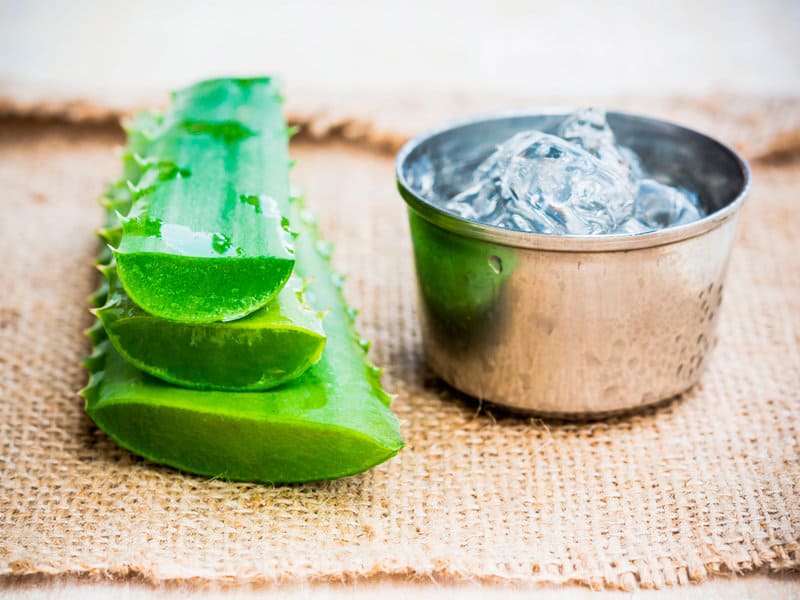
Aloe Vera Treatment
Photo: depositphotos.com
This is perhaps the simplest approach. Aloe vera juice is a common remedy for skin issues and rashes. Simply cut a leaf so the fleshy interior directly contacts the affected lip area. Replace this natural compress every two hours, and the itching and burning will fade.
Milk Compresses
On the first day of an active outbreak, apply milk compresses. Use 1.5% fat milk and a cotton swab. Dip the swab in milk and place it on the herpes-affected area. Leave it until completely dry.
Three Percent Hydrogen Peroxide
Photo: depositphotos.com
If blisters have already formed, you can cauterize them with hydrogen peroxide. The thin blister skin will break, and the itch will stop. Repeat this process every two to three hours until the blisters dry up and form a crust.
Garlic Application
Press a clove of garlic through a garlic press and apply the resulting paste to the herpes-affected spot. The procedure is unpleasant, and the strong garlic smell deters many, but this method truly works. The effect comes quickly—garlic dries the skin, speeding up wound healing.
Peppermint Oil for Relief
Photo: depositphotos.com
Before going outside, dab peppermint oil onto the affected areas. Repeat this up to three times throughout the day.
Under no circumstances should you touch the sore with unwashed hands or attempt to conceal it with foundation or other makeup. Doing so will only worsen the condition and delay recovery.