Spring has arrived, signaling the moment to store away winter footwear and clothing, swapping them for airy dresses, shorter skirts, and lightweight suits to charm others. However, a common issue arises—varying degrees of excess weight that demand action. With numerous diet options available, the Japanese diet has recently surged in popularity.
Those cozy winter nights on the sofa, snacking while watching television, now reveal their consequences. You may find yourself regretting every treat consumed, as they now appear on your waistline. A diet becomes your sole rescue.
Want to shed up to eight pounds in only two weeks without enduring starvation? The Japanese Diet offers exactly that!
Let's begin by outlining the fundamental principles of this eating plan.
Understanding the Japanese Diet
Statistics show Japan boasts the world's highest life expectancy at 87.3 years and the lowest rate of female obesity. The Japanese don't view their everyday eating as a diet; it's simply an ingrained habit. This lifestyle contributes to their remarkable health and prolonged youthfulness.
Japanese diet explained: photo by huweijie07170 / pixabay.com
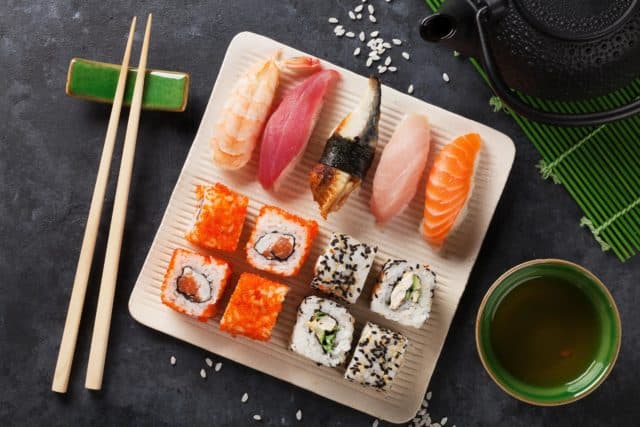
If you assume the Japanese diet revolves around sushi with sauces and seafood, you're wrong. Instead, it centers on protein-rich foods while completely eliminating meat and dairy.
Interestingly, sweets and baked goods are absent from Japanese dessert culture. Meals conclude with fresh fruit.
The Japanese diet emphasizes not just ingredients but a mindful approach to eating. Each dish must be aesthetically presented with proper table settings. Portions remain deliberately small. Ingredients are always fresh—never frozen or thawed. Steaming is the preferred cooking method.
In essence, Japanese cuisine embodies a complete philosophy that, when adopted, allows you to eat while experiencing harmony between body and spirit.
Allowed Foods on the Japanese Diet
Rice – A Source of Carbohydrates
A typical Japanese breakfast includes a modest serving of rice. This grain is low in fat but high in carbohydrates, delivering rapid fullness. Starting your day with a bowl of rice keeps hunger at bay until lunch. Crucially, prepare rice without any vegetable oil or butter. Bland? Absolutely—but that's the key to a slender physique.
Fish – Rich in Omega-3
Japanese diet includes fish: photo by jinny_kuan / pixabay.com
The Japanese are avid fish consumers. Those following healthy eating habits favor fatty fish such as salmon, trout, sardines, herring, and tuna. Fish naturally supplies omega-3 fatty acids, which benefit bone and cardiovascular health while enhancing brain function. Consequently, fish is highly recommended for older individuals.
Vegetables – A Fiber Boost
The Japanese deeply cherish vegetables. Every meal features four to five different vegetable-based dishes, typically stewed in water.
Eggs – Unsaturated Fatty Acids
Eggs provide unsaturated fatty acids that assist in combating stored body fat.
Green Tea – Packed with Antioxidants
Green tea is essential in Japanese diet: photo by dungthuyvunguyen / pixabay.com
Green tea's advantages are well-documented: it flushes out toxins, regulates blood pressure, and inhibits inflammation. However, moderation is key—limit consumption to 1.5 liters daily.
DISCOVER ALL TIPS ON THE TRENDING JAPANESE HAIR STRAIGHTENING TECHNIQUE…
Core Rules of the Japanese Diet
- Eliminate sugar and salt entirely during the diet period.
- Keep portions small—no more than 200 grams per meal, satisfying only 80% of hunger. The Japanese avoid overeating; they follow the principle "Eat only when hungry," not out of boredom or sadness.
- Avoid frying with oil. Instead, steam, braise in water, or boil food.
- Consume three complete meals daily with no snacks or extra eating in between.
- Drink 1.5 liters of plain water each day.
Expected Results
This diet spans two weeks. By cutting carbohydrates and boosting protein, you can expect to shed 5 to 8 kilograms within that timeframe.
Who Should Avoid This Diet
As with any diet, the Japanese plan has restrictions. Pregnant women should not follow it. Additionally, individuals with kidney or liver disease, heart conditions, gastritis, or stomach ulcers should steer clear.
Choose nutritious foods and stay healthy!
Featured image from unsplash.com