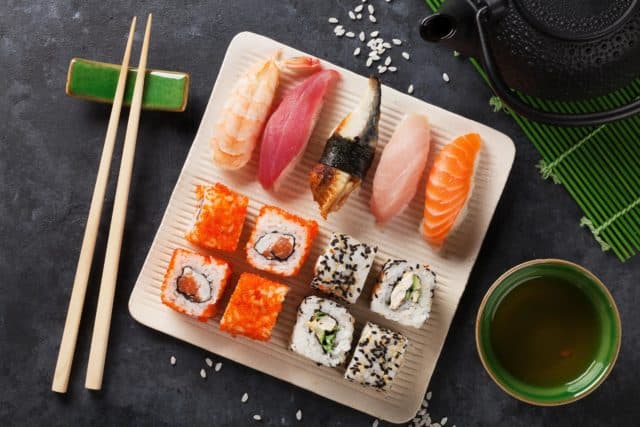
In Japanese, sushi actually refers to vinegared rice, not fish. This beloved dish—often combining rice, vegetables, eggs, and raw seafood—has fans worldwide. However, many people are unaware of the possible downsides. The team at “GoSeekNest” has gathered insights from dietitians and health experts on how to enjoy sushi without compromising your well-being.
The Upsides and Downsides of Sushi: How to Eat It Healthfully?
What should sushi enthusiasts keep in mind? Here are the key takeaways.
Health Benefits of Sushi
Photo: EVGENY KARANDAEV / SHUTTERSTOCK
On the whole, sushi can be a healthy choice. Preparation methods vary, but common ingredients like tuna and salmon provide omega-3 fatty acids and protein. Cucumber offers vitamins C and K plus fiber, avocado delivers heart-friendly monounsaturated fat, seaweed contributes iodine and fiber, and ginger contains the antioxidant gingerol.
Sushi supplies all three macronutrients—carbs, fats, and proteins—giving your body steady energy.
A balanced, nutrient-rich diet is one reason Japanese children rank among the healthiest globally. Whether sushi is truly healthy depends on what you order and the restaurant's reputation.
Potential Risks
Photo: ANATOLIY_GLEB / SHUTTERSTOCK
Consuming raw fish carries certain health hazards, including food poisoning from bacteria like salmonella and Vibrio vulnificus, as well as parasitic worm infections. Freezing raw fish at -15°C for at least three days eliminates most parasites.
Expert Tips
- Dine only at reputable establishments
Photo: RIDO / SHUTTERSTOCK
Anyone eating sushi should order only from trustworthy, well-reviewed restaurants. It's also safe and simple to prepare sushi at home using special kits.
- Opt for low-mercury fish
A major reason people question sushi's healthfulness is mercury poisoning. You can lower your risk by avoiding large, long-lived species such as swordfish, shark, tuna, and king mackerel. Instead, choose salmon, shrimp, and cod. Pregnant women should steer clear of raw fish and any fish high in mercury.
- Go easy on soy sauce
Photo: NORTONGO / SHUTTERSTOCKo
A single tablespoon of soy sauce can contain up to 1024 mg of sodium. The American Heart Association advises limiting daily sodium to 2300 mg if you're aiming to lower blood pressure. To avoid bloating and other issues, choose low-sodium soy sauce or simply use less.
- Limit tempura and fried items
Is fried sushi healthy? Ordering vegetable tempura is akin to tossing green beans into a deep fryer. A typical serving of vegetable tempura may pack nearly 1,600 calories, with about 60% coming from oil. Katsu and agemono are also fried, meaning they contain extra fat and calories. Try not to overindulge—share large portions with friends.
- Pick brown rice
Photo: ATSUSHI HIRAO / SHUTTERSTOCK
Brown rice is the superior choice because it offers more fiber and nutrients than white rice. Researchers at Harvard School of Public Health found that eating brown rice twice a week lowered the risk of type 2 diabetes, while white rice consumption raised it.