Back in 1537, an English scholar and diplomat named Thomas Elyot published an extensive medical treatise that catalogued various ailments alongside their remedies. Within its pages, readers could also find guidance on diet and physical activity aimed at helping sixteenth-century folk maintain their health. Let's see how a Renaissance-era training plan measures up against your 2020 gym routine :)))).
Medieval Workout: how to train your man according to the rules of the XVI century
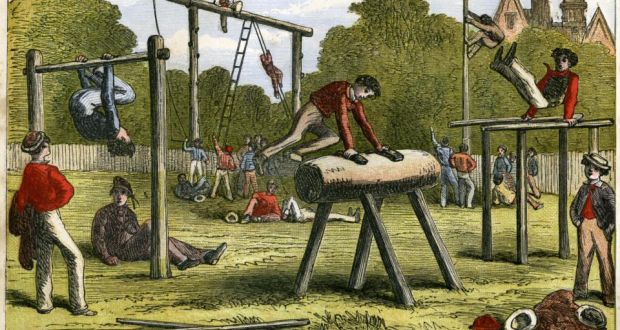
photo: irishtimes.com
Elyot organized physical activities into four distinct groups: gentle, rapid, forceful, and intense:
- Gentle activities. Recommended for beginners or individuals unable to endure strenuous physical demands. Examples include extended strolls on foot or journeys on horseback to a nearby settlement.
- Rapid activities. Sprinting; Tennis; Walking on tiptoes with elevated arms; Trotting forward and backward; Tossing a ball; Swordsmanship. Elyot offered no clarification regarding the ideal candidate for these pursuits, though they clearly contribute to enhanced quickness and reflexes.
READ What 8 Foods Contain Healthy Fats?
- Forceful activities. For a young gentleman preparing to engage in warfare, the following regimen applies: Excavating dense clay soil; Hoisting and transporting heavy objects; Scaling a rope; Ascending inclines; Grappling with a fellow combatant of comparable skill; Performing pull-ups on any accessible horizontal surface.
- Intense activities. Reserved for aggressive combatants aiming to preserve peak condition: Casting javelins; Participating in football (the sixteenth-century variation); Team-based pulling contests — participants grasp a rope and attempt to haul their opponents forward; The galliard — an energetic dance featuring numerous leaps and vigorous maneuvers, occasionally performed while carrying a partner.
photo: fortezafitness
Elyot emphasized the importance of thoroughly warming the body prior to exertion in order to prevent harm. Massaging the muscles with a rough cloth serves this purpose — begin with light pressure, then progressively intensify. Once a reddish hue appears on the skin, the training session may commence.
Featured image on thehust.com