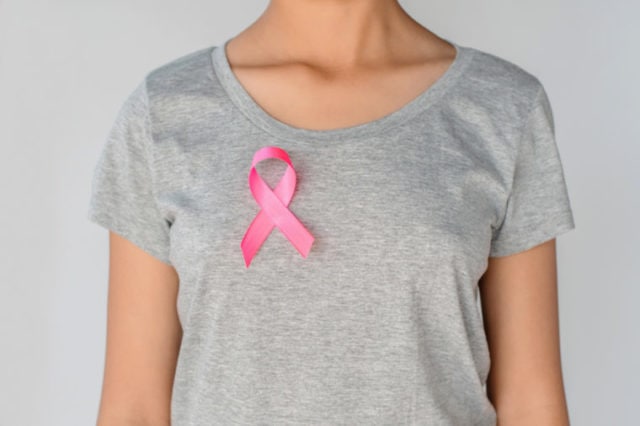
This devastating illness often announces its presence through signals so subtle or seemingly unimportant that they slip past notice. The earlier a health problem is identified, the better the chances of getting proper care and making a full recovery. The GoSeekNest publication would like to walk you through the warning signs of breast cancer so you can spot when something has gone wrong inside the body.
Subtle indicators of breast cancer
Lumps and thickened areas rank among the well-known indicators of breast cancer. Yet plenty of other clues exist that aren't so easy to spot. Let's go through them.
Indentation on the breast
This is one of those tumor signals that can easily escape you during a self-check. Most of us don't spend a great deal of time carefully examining our breasts. On top of that, the dimples can be tiny enough to overlook. Any small pit or pulling-in of the skin on the breast deserves a professional evaluation.
Fluid leaking from the nipple
If you're nursing or expecting a baby, there's likely no reason for concern. For everyone else, though, particular kinds of discharge warrant attention. Fluid coming from the nipple that looks greenish, yellowish, or even streaked with blood can point toward breast cancer. Especially when it appears out of nowhere, a doctor's visit shouldn't be delayed.
Irritated skin
Plenty of everyday triggers can irritate the skin — a bra that doesn't fit properly, a rash, contact dermatitis, or other dermatological issues. In rare cases, however, the same irritation can signal breast cancer. Should you notice unexplained redness, puffiness, skin inflammation, itchiness, or a rash that has shown up recently or simply won't clear up, schedule a medical appointment.
Dark marks on the skin
Unusual dark spots or marks appearing on the skin aren't necessarily a reason to rush to a dermatologist. They can, though, point to a less common and more aggressive form of breast cancer known as inflammatory breast cancer. If one spot appears and then more follow, bring it up with your doctor. Stay calm — inflammatory breast cancer is genuinely uncommon.
Red blotches or bruising
Red blotches or bruise-like marks on the skin can also signal inflammatory breast cancer. When they linger beyond two or three weeks, booking a medical appointment makes sense. Bear in mind, though, that this cancer type remains uncommon. Many red marks on the skin, like cherry angiomas, are entirely harmless.
Alterations in the nipple
Nipples typically don't shift in shape, size, or color outside of pregnancy. Any visible change in how the nipple looks, however, calls for breast cancer screening. Nipples that suddenly point inward are another reason to stay alert.
Itching and flaking around the nipple can point toward Paget's disease of the breast, an uncommon form of breast cancer. It usually involves the nipple itself and the surrounding skin. You might spot peeling, crusting, or hardened patches on the nipple or areola, or on both. Tingling or burning sensations can also occur.
Tenderness or swelling
Swelling and tenderness in the breasts are familiar complaints during menstruation and can even signal early pregnancy. That's why they tend to be brushed aside. When one breast appears noticeably fuller or more swollen than the other, however, a medical evaluation is in order. A lump in the breast tissue might not always be felt directly, but a lump under the arm could mean a swollen lymph node, which sometimes suggests breast cancer that's beginning to spread.
Shift in skin texture
Changes in how the skin on your chest feels and looks can hint that something isn't right. If the skin takes on a reddish tone and a texture resembling an orange peel, medical attention is needed. These changes can mean that breast tissue has become inflamed because cancer cells are clogging tiny lymphatic vessels inside the breast, allowing fluid to accumulate.
Altered breast size or shape
Gaining weight, hormonal shifts tied to menstruation, and pregnancy or nursing can all influence the size and shape of the breasts. When such a change happens suddenly and without any of these explanations, it could be a warning sign of cancer, and a screening appointment should be arranged. Because this can also occur in the week before a period, it's wise to wait one week to see whether the change resolves on its own.
DON'T MISS Can Marijuana Really Shrink Tumors?