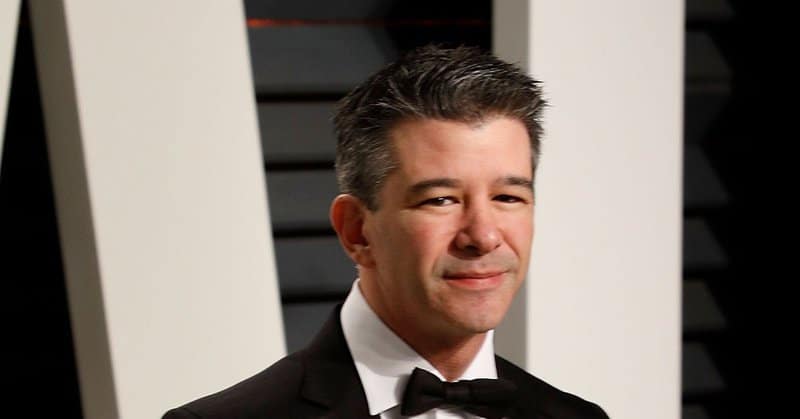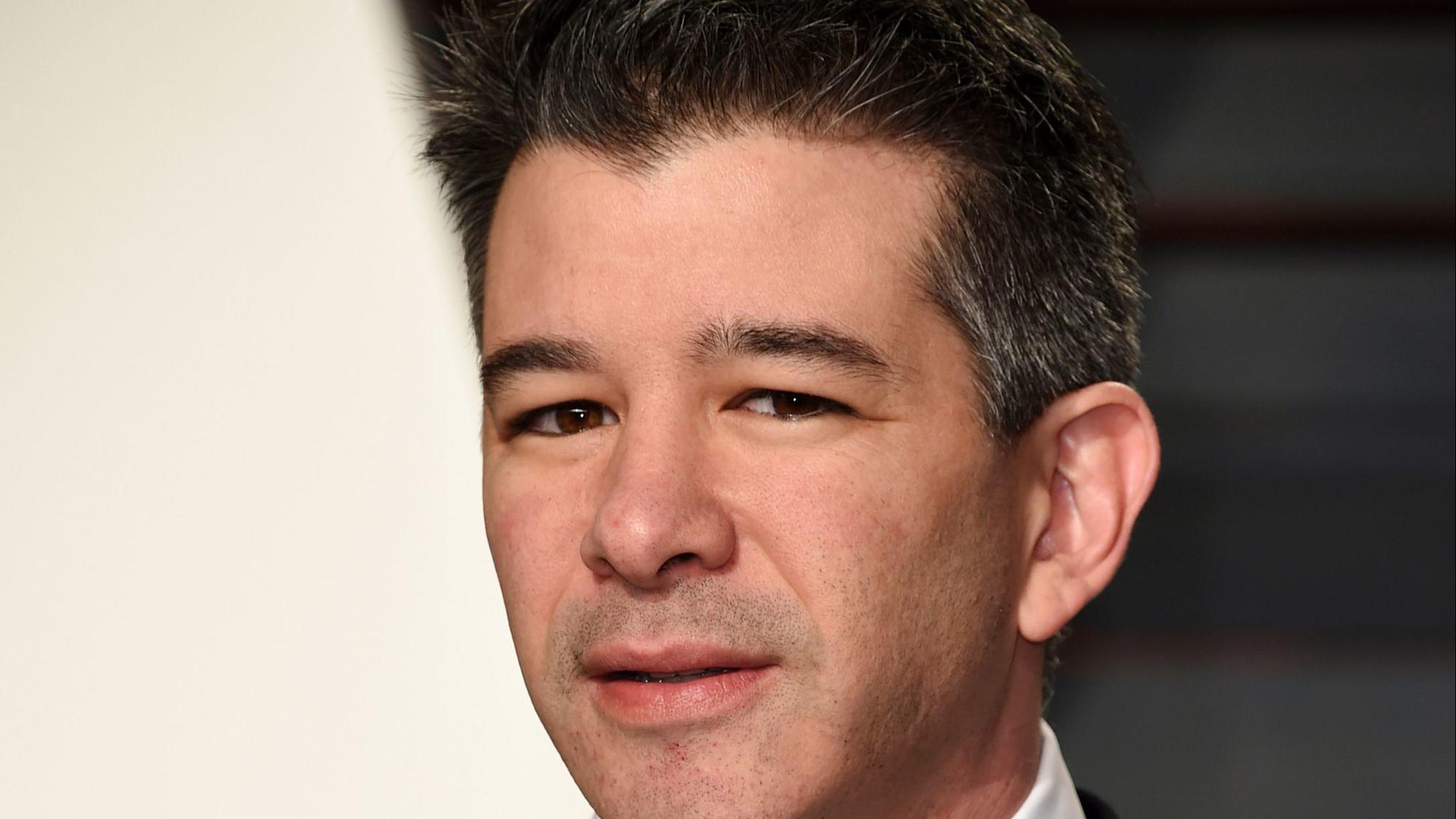
Travis Kalanick, the co-founder of Uber, previously claimed he would never sell a single share of his 10% stake in the on-demand transport company.
However, that claim was made in 2016, prior to his removal as CEO, before the company's board brought in new management, before early investor Benchmark filed a fraud lawsuit against him, and before shareholders weakened his tight control over the firm.
Following a chaotic 2017 that pushed him to the sidelines, Kalanick is beginning the new year with intentions to sell 29% of his holdings to Japanese conglomerate SoftBank, as reported by Bloomberg. A representative for Kalanick declined to provide a comment.
Individuals familiar with Kalanick could only guess at his motivations for offloading shares valued at roughly $1.4 billion. Yet the most plausible explanation, according to business strategy analysts, is that the combative co-founder who never retreated from confrontation has ultimately chosen to move forward.
“His personality would lead you to believe, at least in public, that he would never admit defeat,” said Carl Tobias, a law professor from the University of Richmond who has followed Uber’s exploits. “But sometimes you have to be realistic and pragmatic.”
Kalanick established Uber in 2009 and held extraordinary influence at the ride-hailing firm. He ranked among the largest shareholders, occupied a board seat, and possessed the authority to appoint individuals to three additional board positions.
Yet a recent $9-billion arrangement with SoftBank, whereby the Japanese group consented to purchase 15% of Uber and restructure the board, will significantly reduce Kalanick's influence, rendering a comeback to leadership far less probable.
Should the transaction go through, SoftBank's 15% ownership would make it Uber's top shareholder. Previously, Benchmark, with a 13% stake, was considered the largest. Provided Benchmark does not offload a substantial portion of its shares to SoftBank, the venture capital firm would slide to number two. Kalanick would hold onto approximately 7%.
“It’s not uncommon for someone who is heavily invested in something they played a founding role in to lose that emotional connection once they’re removed from leadership,” said Dan Hill, chief executive of strategic communications and public affairs firm Hill Impact.
Instances of executives shedding stock after departing a company include those at Blackberry, Valeant, Wells Fargo, and Google. “He may be looking at Uber and thinking, ‘OK, this isn’t what I thought it would be,” Hill said.
Business experts noted that the share sale can be understood in two ways. The first is that Kalanick might be deserting a “sinking ship,” which could alarm other investors.
“Here is a founder who has famously talked about never selling a share, and now it’s being reported that he wanted to sell more [than 29%],” said Stephen Beck, founder of management consulting firm CG42. “If you’re an investor, it has to make you think, ‘Gee, if he’s questioning the future prospects of this company, how do I need to look at this?’”
Alternatively, the stock sale could be viewed as a beneficial move for Uber because it separates the company from Kalanick, whose “personal brand is toxic for Uber’s brand,” Hill said.
It also paves the way for new Chief Executive Dara Khosrowshahi to strengthen his authority over the organization.
“This selling is only good news for the CEO,” Beck said.
Kalanick was widely recognized for driving Uber's rapid expansion by mirroring the company after his own audacious business style. During his tenure, the firm disregarded regulations and, in doing so, emerged as the premier on-demand transportation service in the United States.
However, Kalanick's stewardship turned into a disadvantage in 2017, when the enterprise faced accusations of evading regulators, concealing human resources misconduct, and fostering a poisonous workplace culture. He was compelled to step down in June of that year.
In July 2017, rumors surfaced that Kalanick was maneuvering to reclaim the top position. Over the subsequent six months, however, his prospects for doing so diminished, and the company's new leadership has endeavored to start afresh.
Under Khosrowshahi's guidance, the firm has discarded several of the aggressive principles Uber adopted during Kalanick's era. The company has also shifted its strategic direction, with Khosrowshahi announcing plans to go public in 2019 — a sharp departure from Kalanick, who previously stated he aimed to keep Uber privately held for as long as feasible.
tracey.lien@latimes.com
Twitter: @traceylien
UPDATES:
11:35 a.m.: The article was revised to add details on Uber's primary shareholders.
Original publication time: 10:30 a.m.