Real Food Tips: How to Pack a Cooler (Safely)
Despite years and years of weekend camping adventures, I can't quite believe I'm only just discovering that there's an actual proper method for loading a cooler to keep your food safe (and steer clear of food poisoning). So today I'm eager to share these fresh, worthwhile tips with you—since the precautions are so simple, why risk it when staying safe is so easy? I have to assume I'm not the only person who has been in the dark about all of this.
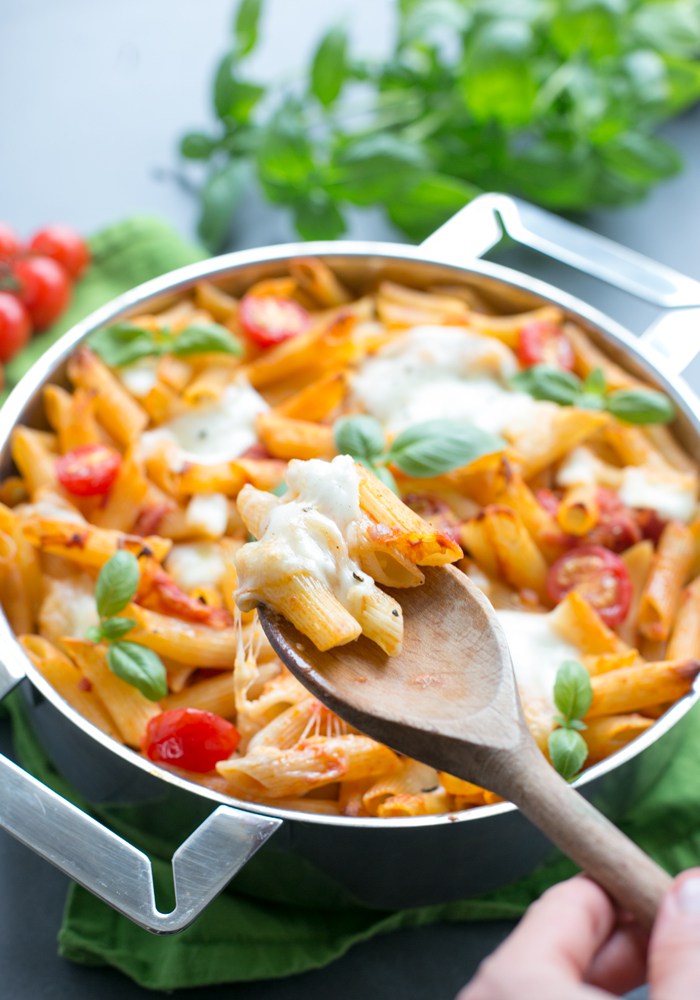
The whole situation came up during our most recent camping getaway. When I cracked open the cooler, I realized the ice had melted and that possibly unclean cooler water had seeped into the container of caprese pasta salad I had spent ages preparing from scratch—food I was actually looking forward to digging into! We've had melted ice leak into containers on us before, but that had only ever occurred with some iffy leftovers that hung around in the cooler after we got back home—never a freshly made dish we hadn't even gotten to taste yet! So I put the question to my Facebook community for some solid advice—should we eat it or toss it? And after sorting through more than a thousand responses to that question, and putting my own thinking cap on, it dawned on me that we needed to make some serious but straightforward changes before ever loading up a cooler with a weekend's supply of food again!
Cooler Packing Tips
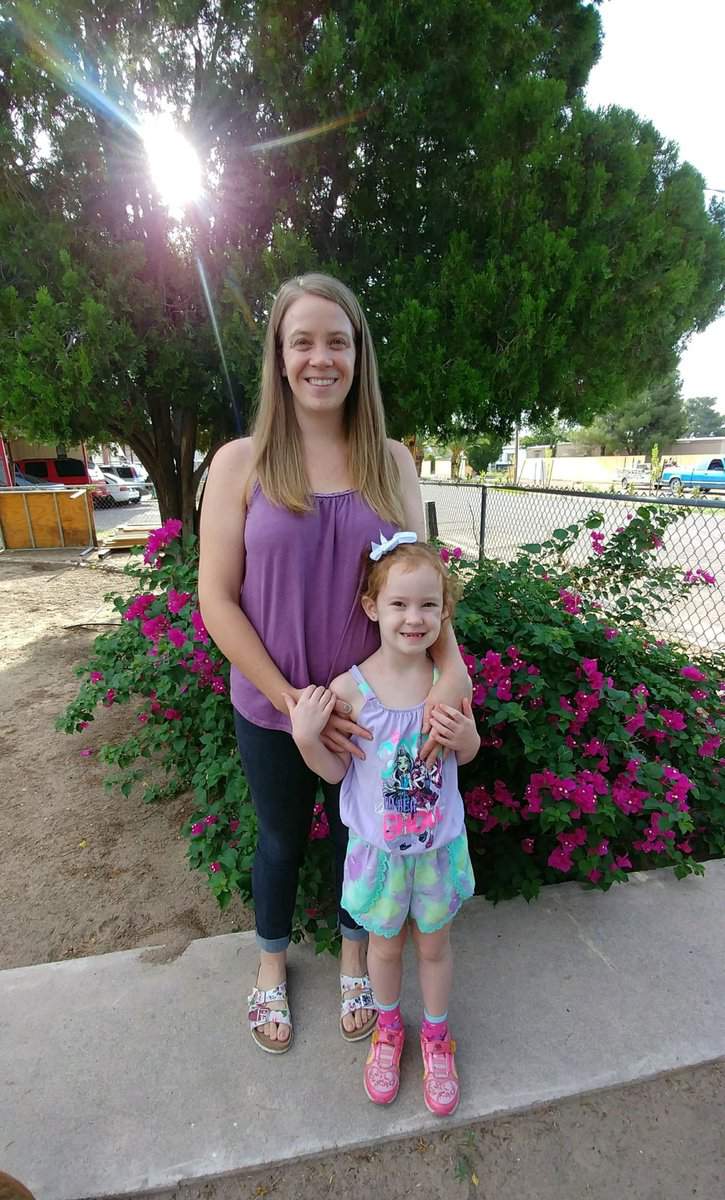
- Invest in a High-Quality Hard Cooler. Top-notch, thick-walled hard coolers do a much better job of insulating and keeping your food cold than their soft-sided counterparts. So when you're storing perishables for hours on end (or when the weather is blazing hot), skip the lightweight insulated bags and choose something sturdier instead. Case in point: my daughters' school lunches do just fine in an insulated bag with a few ice packs sitting in the air-conditioned school building until lunchtime. But when I recently sent my six-year-old off to an outdoor day camp in the middle of our scorching Carolina summer, the staff recommended a personal-sized hard cooler to make sure her food would stay cool enough in the heat.