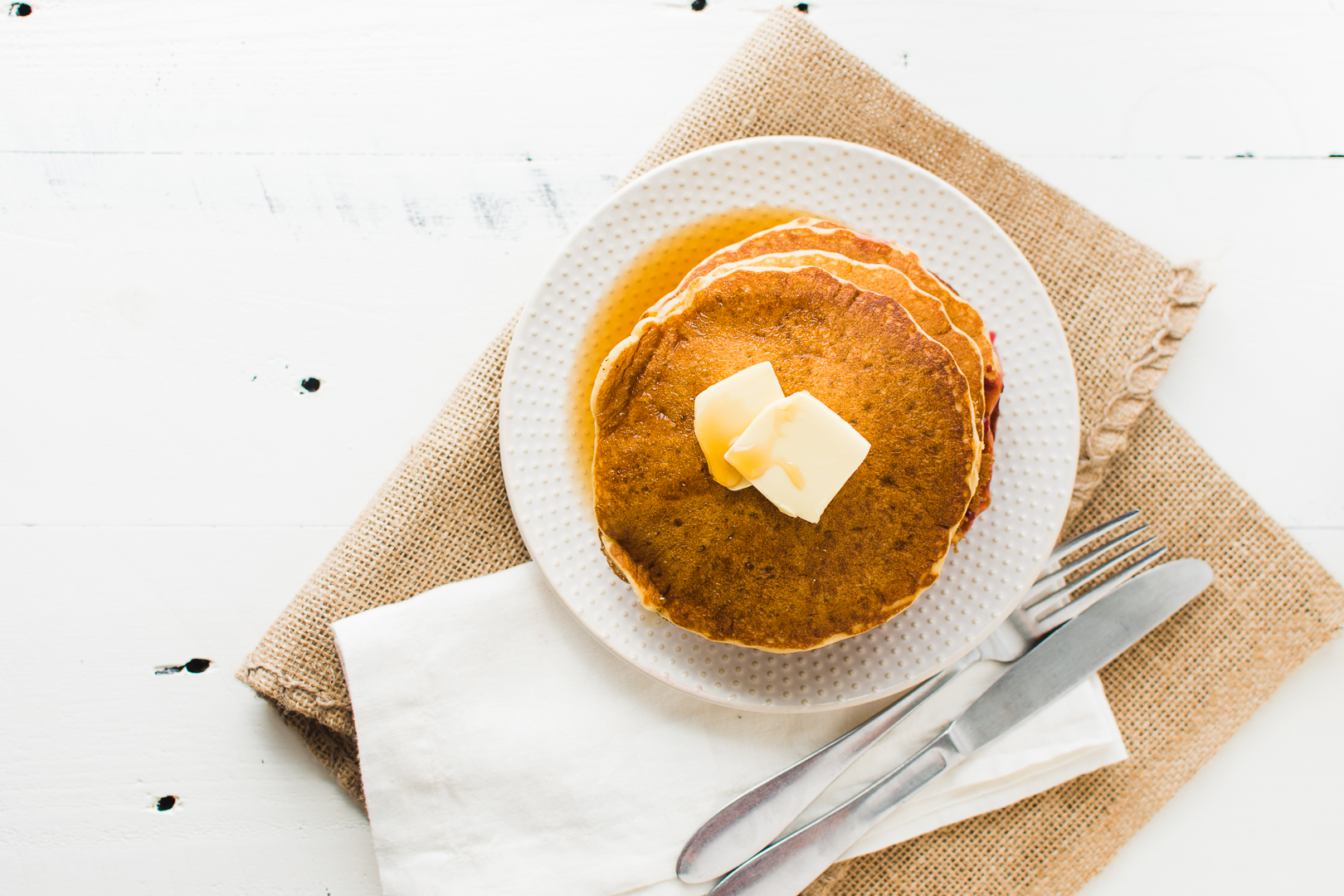
Possessing an exceptionally soft, pillowy interior, these sourdough flapjacks suit unhurried Saturday mornings beautifully — particularly when enjoyed with knobs of salted butter, a pour of maple syrup, and a steaming cup of robust tea.
Nearly ten years into my sourdough journey, I've constantly searched for ways to repurpose the starter I routinely discard. These pancakes, kissed with just a whisper of honey, serve that purpose wonderfully. Countless iterations have shaped this formula — omitting the honey entirely, swapping in whole eggs, even letting the batter rest through the night.
The result, at last, satisfies me: deeply nutty from whole-grain flour, yet delicate, with a featherlight texture.
Pancakes Shine When Made with Exhausted Starter
Keeping your sourdough culture vigorous demands regular feedings of flour and water. That carbohydrate-dense mixture sustains the bacteria responsible for bread's signature tang and nourishes the yeast that lifts the dough skyward. Bread requires energetic, active yeast to achieve that gorgeous open crumb — which is exactly what a freshly fed, foamy starter delivers.
The catch with sourdough, however, is rhythm. Once you feed the starter and watch it climb and double, those energetic microbes eventually run out of fuel, causing the starter to deflate. Exhausted starter won't produce good bread, but it transforms beautifully into pancakes.
The Secret Behind Airy Sourdough Pancakes
Tender pancakes earn their height through leavening. In pancake-making, that rise emerges from a natural chemical reaction between acidic and alkaline components.
Exhausted sourdough starter — packed with beneficial lactobacillus — is quite acidic (that's where that lovely sour note comes from). Pair it with baking soda, which is decidedly alkaline, and the batter froths up gorgeously. Bubbly batter translates directly into lighter, airier pancakes with a tender middle.
Egg whites, however, do additional heavy lifting. Whipping them to stiff peaks and folding them gently into the batter introduces even more lift while providing the structural backbone needed to trap air — guaranteeing pancakes that turn out fluffy rather than heavy or rubbery.
Choose a Whole-Grain Variety
For my family's cooking, I gravitate toward keeping grains as close to their natural state as possible. Whole grains deliver tangible nutritional advantages — more fiber, vitamins, and minerals (when prepared thoughtfully) — alongside a wonderfully layered, complex taste.
The challenge? Many whole wheat flours pack considerable protein and are dotted with dark bran specks. That profile makes stunning bread, but disappointing pancakes.
The workaround: swap standard whole wheat for white or ivory wheat. These options remain 100% whole grain but originate from a gentler wheat varietal with reduced protein and a paler hue. The outcome? Lighter, more delicate pancakes that retain their whole-grain integrity.
Sourcing Whole White Wheat Flour
I collaborated with Bob's Red Mill while perfecting this formula. Their outstanding 100% whole-grain Ivory Wheat flour delivers reliable quality every time. It supplies these pancakes with the silky mouthfeel of a fine pastry flour, all while preserving the fiber, minerals, and depth that whole grains provide. They're also an employee-owned business committed to non-GMO sourcing.
Locate their flours at neighborhood natural grocers or shop online here.
Cuisine: American
Author: Jenny McGruther
Prep time: 8 hours
Cook time: 40 mins
Total time: 8 hours 40 mins
Serves: 1 dozen pancakes
Heavenly, cloudlike, and bursting with toasty whole-grain essence and a faint tang, these sourdough pancakes offer an excellent avenue for putting leftover starter to work.
Directions
Method
- Combine the flour, milk, sourdough starter, and sea salt in a blender, then process until a silky batter emerges. Transfer the batter to a mixing bowl and seal with cling film or a snug-fitting lid (this bowl set works wonderfully).
- Allow the batter to rest, covered, at room temperature for 8 to 12 hours, or overnight.
- Whisk the egg yolks with honey and melted butter. Once thoroughly blended, stir the yolk mixture into the overnight batter.
- In another bowl, beat the egg whites with baking soda until they form firm peaks.
- Carefully fold one-third of the whipped whites into the batter. Continue adding the remaining whites in two more installments, working slowly and preserving some visible streaks. The batter should appear airy and cloudlike. Preserving the air in the whites is crucial for achieving light sourdough pancakes.
- Preheat your oven to its warming setting and position a baking sheet on the center rack.
- Warm a cast iron skillet or pancake griddle over medium heat, then melt a small pat of butter inside. Once the butter foams, ladle approximately ¼ to ⅓ cup of batter into the pan. Allow it to cook undisturbed until bubbles emerge across the center. Flip the pancake and continue cooking for 1 to 2 minutes longer, until fully set. Move the pancake to the baking sheet in the oven to stay warm.
- Repeat with the remaining batter, cooking one pancake at a time and refreshing the butter as necessary.
- Present with extra butter, maple syrup, or homemade blueberry syrup.
How to Get Your Sourdough Starter Going
Sourdough pancakes make excellent use of discarded starter — the portion removed from your jar prior to its regular feeding for bread baking.
Establishing your starter requires nothing more than flour, water, and patience. Incorporating a small amount of an already-active starter (sourced from a friend or purchased online) can accelerate the process. This straightforward tutorial walks you through it.
I rely on Bob's Red Mill unbleached artisan bread flour to nourish my sourdough starter because it delivers consistently dependable outcomes. It's stocked at most natural food markets and available online here. Though I maintain my starter on bread flour, my baking draws on an array of whole grains — ancient and heritage wheats, white wheat, spelt, einkorn, and rye.
Exploring More Sourdough Creations
When your starter is thriving, climbing and doubling reliably with each feeding, you're prepared to put it to work. Beyond bread (naturally), you can transform discarded starter into noodles, dumplings, crumpets, and countless other treats.
The Nourished Kitchen overflows with sourdough recipes, so consider picking up a copy if you haven't already.
ALSO READ London's top brunch picks
nourishedkitchen.com