Bonded with a candy over tea, celebrating with cake, unwinding with ice cream in front of the TV — sugary treats have quietly woven themselves into the fabric of everyday life. They comfort us, lift our mood, and help us weather stressful moments. Yet beneath their charm lies a trap: these goodies dull our awareness, lock us in a sticky embrace, and drive the sugar needle deeper. By the time we wake up to what's happening, escaping feels almost impossible.
Why do people willingly walk into this sugary prison? And what do they actually receive in exchange?
The deadly sweetness
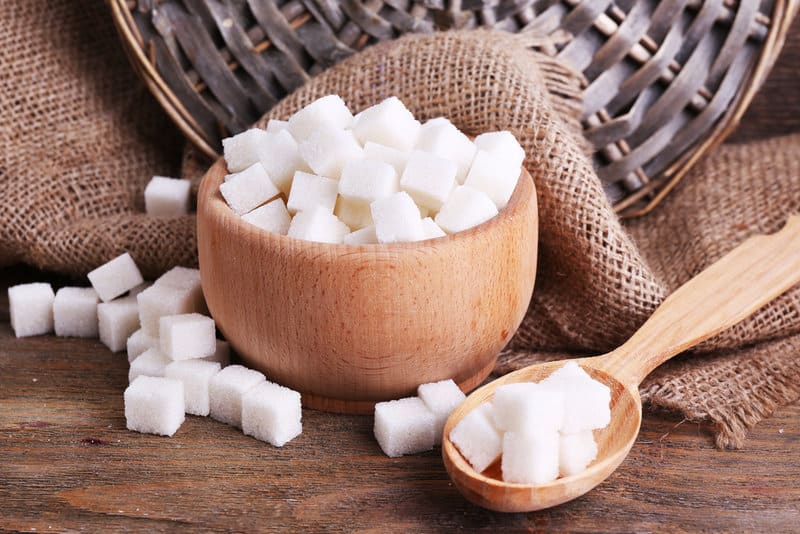
Ironically, sugar was once hailed as a trusted companion. But contemporary food producers have transformed it from a wholesome ingredient into a mere chemical compound. After extensive refinement, the product loses every trace of nutritional value — vitamins, minerals, fiber — and is reduced to nothing more than a sweet-tasting preservative.
Photo: depositphotos.com — Sugar Addiction: How Sweetness Captures Us and Ways to Defeat It
Deceptively innocent-looking white crystals harbor a dark side. They interfere with the body's metabolic pathways and drain chromium stores — but their mischief doesn't stop there.
Every time you stir a spoonful of sugar into your tea, pause and reflect on what it actually does to you
- loosens gum tissue and weakens tooth enamel;
- suppresses insulin production, paving the way for diabetes;
- irritates the digestive system, triggering constipation and ulcers;
- can spark allergic responses;
- dulls eyesight;
- triggers headaches;
- makes bile more viscous;
You can also credit sugar for accelerated aging and unwanted weight gain. This catalog of "gifts" from the refined product could go on, though what's listed is more than enough to alarm anyone who values their well-being. Let's be blunt: when you pick up a doughnut, a chocolate bar, or a slice of cake, you're really purchasing a ticking bomb coated in sweet frosting. The detonator is already primed — rest assured, it will go off!
Still, there's no need to panic.
A way forward always exists
Nutrition expert Dr. Hyman and her research team propose that an overpowering urge for sweets stems not from emotional eating but from a biological imbalance. Hormones sit at the helm of this cycle, and their fuel comes from simple carbohydrates. Furthermore, researchers note that when sugar arrives in liquid form, it flips on the brain regions tied to dependency.
This insight clarifies the struggle of turning down pastries and starchy snacks. However, difficulty doesn't equal impossibility. Nothing is truly unachievable — success hinges on willpower, drive, and a ten-day commitment.
The road to liberation
When someone battling alcoholism or drug dependence enters a rehab facility, their first treatment typically involves detoxification. The identical principle applies to conquering a sugar habit.
Step one — make up your mind. Though it sounds trivial, this opening move is genuinely tough. Resist the urge to delay with phrases like "I'll quit after this stressful period" or "once the holidays pass." Such excuses are old acquaintances: starting Monday, the first of the month, the new year…
Take that decisive stride toward a healthier you. Just go for it!
Stage two — once you've committed, sever every tie. A gradual fade-out rarely works with dependency. Permitting yourself minor indulgences only stretches out the suffering, keeping you perpetually teetering on a fragile thread. Worse, your subconscious will push you to overindulge, sensing this could be the final chance.
Eliminate sweets, trans fats, and artificial sweeteners cold turkey. "Endure" is the perfect descriptor for this phase. The silver lining? Each passing day makes the battle a little easier.
Step three — steer clear of sugary beverages. They inflict even greater damage than solid sugary products. Picture this: downing half a liter of fizzy soda means swallowing roughly fifteen tablespoons of dissolved sugar!
Welcome proteins and healthy fats into your routine. Protein-rich fare can crush the desire for muffins and pastries. Eggs, fish, and nuts deliver vital micronutrients and vitamins while keeping hunger at bay. Once you commit to smarter choices, you might be amazed to discover that a candy bar or chocolate snack is no longer necessary.
Load up on vegetables like broccoli, asparagus, zucchini, tomatoes, carrots, and cucumbers. However, pumpkin, beets, and potatoes must be off the menu for ten days.
Oddly enough, fats emerge as unexpected allies in this war against sugar dependency. They aren't the culprits behind those stubborn extra kilograms. Beneficial fats found in olive, sunflower, and coconut oil, along with quality animal products, fill you up without causing harm.
Fifth step — anticipate trouble before it strikes. Occasionally, hunger crashes over you like a wave with no warning, and resisting feels futile. To avoid being ambushed by such moments, plan ahead. A handful of almonds, an apple, or a pear slips easily into even the smallest purse, ready to rescue you when willpower wavers and keep you from derailing your mission.
Sixth step — breathe correctly. Studies reveal that under stress, the body stockpiles fat as a survival mechanism. Counter this by stimulating the vagus nerve through deep, controlled breaths. Just a couple of minutes of focused breathing can restore equilibrium.
Seventh step — prioritize rest! Deny your body the recovery it needs, and it will respond with rebellion. Exhaustion fuels appetite because your system scrambles for fuel and stamina. Skimping on sleep virtually guarantees that outcome.
This link between sleep deprivation and increased eating has been validated scientifically — confirmed by college students cramming before exams and workers pulling overnight shifts.
READ Mini Zucchini Banana Muffins Without Sugar Recipe
Experts agree that hitting the sack early is among the most reliable tactics for curbing late-night snacking. While this advice holds merit, one undeniable truth remains: quality rest serves as a powerful shield against binge eating.
The cornerstone of beating any addiction is genuine, self-driven determination. Any restriction breeds the urge to break it — even when you're the one imposing the limit. Pinpoint the benefits and motivating factors that will carry you through the challenge of abandoning sweet temptations, and you'll emerge from this fight triumphant.
What significance do sweets hold in your daily routine? How long could you comfortably manage without them? Drop your thoughts in the comments below!
Featured image on unsplash.com
Follow GoSeekNest on Pinterest!