By Madelyn Chung
My friends and I share a joke that I’ve earned the title “queen of food allergies.” And honestly, that label isn’t far off. Due to various allergies and sensitivities, I’ve cut out a long list of foods: gluten, dairy, nuts, soy, corn, coconut, chicken, and many raw fruits and vegetables. What has confused me—and some of my doctors—is that I used to eat all these items without any trouble. It was only seven years ago that things started to spiral: my eczema became far worse, and my digestive system gave me constant trouble (nausea, bloating, gas, and all those unpleasant symptoms). It now appears that these problems may have originated in my gut.
“When you have food sensitivities, your gut is damaged,” explains Sara Celik, a naturopathic doctor and spokesperson for Renew Life. “If someone reacts to foods and we run a blood test, we’re basically looking for immunoglobulins—undigested proteins in the blood. Those proteins wouldn’t be there if there were no damage. They’re not meant to be in the bloodstream—but when they show up, we know they’ve leaked through somehow.”
The gut, or gastrointestinal tract, which stretches “from gum to bum,” hosts around 100 trillion microorganisms. We now understand that many of the bacteria in our gut shield us from pathogens by forming a protective barrier, while also supporting normal digestive function, regulating metabolism, and making up over 75 percent of our immune system. “Good bacteria act almost like a row of soldiers guarding the gut lining,” says Celik.
For instance, our intestines contain more than 400 species of bacteria—including E. coli—but trouble usually starts when the balance shifts (meaning the harmful bacteria outnumber the beneficial ones).
“Leaky gut” is one such issue—though it remains controversial. The holistic and naturopathic communities often use this term, but medical experts have only recently begun to acknowledge it, typically preferring the phrase “compromised intestinal permeability.” “Picture your gut as a medieval city protected by walls that keep intruders out,” says Dr. Alessio Fasano, director of the Mucosal Immunology and Biology Research Center at Massachusetts General Hospital in Boston. “There are bridges that lower to let goods in and soldiers out, but once that’s done, the bridges rise again to keep you safe. That’s the idea behind regulating gut permeability.”
Through his research, Fasano identified zonulin, a gut protein that controls the openings between intestinal cell walls. Excessive zonulin production—triggered by genetic factors, heavy alcohol use, smoking, caffeine, spicy foods, or gluten components—makes it harder for the bridge to close, allowing invaders to flow into the bloodstream. “Instead of protecting, it creates a constant shortcut for substances to enter your body,” says Fasano. “This overwhelms the immune system, which then fights back and causes inflammation.”
Studies indicate that inflammatory conditions—such as autoimmune disorders like multiple sclerosis (MS) and celiac disease—may be connected to an imbalance between good and bad bacteria. A recent study from the University of Iowa Hospitals and Clinics revealed that people with MS had a different microbiota (bacterial community) compared to healthy individuals.
Another area of research focuses on “psychobiotics”: how bacteria influence our mental state. Beyond the direct connection between the brain stem and the gut via the vagus nerve, research shows that gut bacteria affect brain chemistry and behavior. Scientists at McMaster University in Hamilton, Ontario, altered the gut bacteria of mice using antibiotics, which are known to eliminate good bacteria. The affected mice became more anxious and showed increased levels of brain-derived neurotrophic factor (BDNF), which is linked to depression and anxiety. After the antibiotics were stopped, the gut bacteria returned to normal, and so did the mice’s behavior and brain chemistry.
“The brain and the gut are best friends,” says Dr. Talia Zenlea, an internist and gastroenterologist at Women’s College Hospital in Toronto. “The same hormones that control your mood also control your gut.” For example, lactobacillus and bifidobacterium produce gamma-aminobutyric acid (GABA), which can help calm an overactive mind. Another group of bacteria with even harder-to-pronounce names, including streptococcus, generates serotonin—a neurotransmitter that regulates mood. I start to wonder about my clinical depression diagnosis, which emerged around the same time my food sensitivities developed. Coincidence?
It’s not just antibiotics that disrupt our gut; modern lifestyles also play a role. From the highly processed foods we often consume to environmental toxins and cortisol-inducing chronic stress, many factors have been scientifically shown to harm our good microbes while feeding the bad ones. Fortunately, small lifestyle adjustments can give our gut a fighting chance.
For those dealing with “unpleasant” symptoms like diarrhea, bloating, gas, or constipation, Zenlea and Fasano recommend removing the triggers that cause these issues. This might seem obvious, but if it’s not, try keeping a food journal to spot patterns.
Joy McCarthy, a holistic nutritionist and ambassador for Genuine Health, suggests the “4Rs” gut-healing protocol: remove, replace, reinoculate, and repair.
During the “remove” stage, all triggers that harm the intestinal lining—such as processed foods and common allergenic foods like wheat, gluten, dairy, and soy—are eliminated from the diet. Next, in the “replace” stage, essential components for proper digestion are added. “This is usually supported by supplements, or it can be done naturally by introducing bitters—bitter foods like arugula—and bile-producing foods like daikon radishes,” explains McCarthy. (Fasano notes that bile is strongly disliked by most harmful bacteria.)
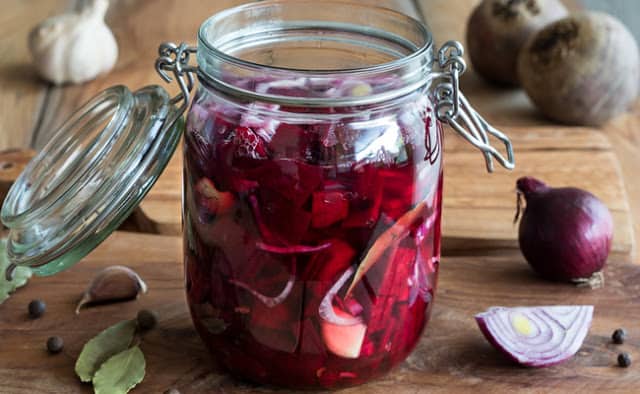
From there, the patient moves to the “reinoculate” stage, where probiotics are introduced to help replenish good bacteria and “crowd out” the harmful bacteria causing adverse effects. Probiotics can be taken as supplements or through fermented foods and drinks like kimchi, sauerkraut, miso paste, and kombucha.
In the “repair” stage, the gut lining is healed and sealed using substances like L-glutamine, which has been shown to protect against mucosal breakdown in the gut, and natural anti-inflammatories such as omega-3 fish oils, which promote friendly bacteria. Repairing the lining may help prevent foreign pathogens from passing through.
But perhaps the best starting point is prevention: you can boost your good bacteria with prebiotics, which are easily obtained from whole foods like bananas, apples, onions, garlic, and other fruits and vegetables. “Think of it this way: Prebiotics are like food for the probiotics,” says registered dietitian Andy De Santis. “The probiotics break down the prebiotics and multiply, which is beneficial because probiotics are healthy bacteria, so prebiotics feed the healthy bacteria in your gut.” So yes, the old advice “Eat more fruits and veggies” still holds true.
Interestingly, I’ve never been a big fan of fruits or vegetables. I’d rather have carbs, meat, and sugar any day—greens and fruits (except in smoothies)? No, thanks. But now I have much more motivation to include them in my diet, especially if it helps ease my symptoms in the long run.
And really, while gut health is an incredibly complex topic, the solution is actually quite simple. Sure, there are many external factors, like stress, that are hard to control, and I’m unlikely to give up alcohol forever or stop taking medications—whether antibiotics, antidepressants, or over-the-counter allergy drugs. There may not be a simple yes-or-no answer, which is what I was hoping for at the start; I wanted to believe that all my troubles could be fixed with one powerful probiotic pill. But it seems I’ll have to put in the effort to find out. My strategy? The 4Rs method. I’ve already mastered the removal stage, since I’ve cut out so many foods, but now I need to start adding gut-friendly items—like more daikon radishes, arugula, and even dandelion greens—along with fish oils and probiotics, and cut back on bad-bacteria-feeding gluten-free pastas and sugary drinks. I’ve been told this regimen could take months to show results in my skin or elsewhere, but it’s worth the wait.
Hippocrates, the father of modern medicine, once said that all diseases begin in the gut…and it seems he was onto something.
How You Should Clean Your Phone and Other Electronics First appeared on fashionmagazine.com