By: Brian Syuki
Bacteria thrive in your kitchen more than in any other room of your house. In fact, you probably pick up more germs while cooking than you do in the bathroom.
The FDA reports that roughly one in six people experience foodborne illness every year from exposure to germs at home or in restaurants. A handful of common kitchen items are infamous for harboring bacteria. Here's a rundown of the biggest culprits and how to sanitize them properly.
1. KITCHEN CLOTHS
Research out of Kansas State University ranks kitchen cloths among the most contaminated objects in any household.
Most people handle these towels with unwashed hands or only after a cursory rinse. The catch is, drying your freshly washed hands on a germ-laden cloth simply reintroduces the bacteria you just removed.
Cut down on exposure by tossing your kitchen cloths in the wash every night. Keep them dry, too—moisture encourages bacterial growth.
2. SCRUBBING SPONGES
It's well known that dish sponges act as a breeding ground for germs. Their porous structure locks in moisture, giving bacteria the perfect conditions to multiply.
Sanitize your sponges by rinsing them in hot, soapy water each day. Wring out the moisture and set them somewhere with good airflow so they dry thoroughly.
Swap them out every two to three weeks. If a foul smell lingers even after washing, toss them—this signals bacteria have overrun the sponge.
3. CUTTING BOARDS
Both wooden and plastic cutting boards develop tiny grooves that give germs an ideal home. Believe it or not, this everyday tool ranks among household items carrying more bacteria than a toilet seat.
Slicing raw meat on the same board raises your odds of infection, leaving behind bacteria like salmonella and campylobacter—both capable of triggering food poisoning.
A quick rinse after each use won't cut it. To keep your board sanitary, follow these tips:
- Designate separate boards for raw and cooked foods.
- Wash it with dish soap and hot water.
- Keep it dry at all times.
- Replace boards that have developed too many deep grooves.
- Consider switching to a glass cutting board.
4. TIN OPENER
You probably don't sanitize your can opener nearly as often as you should. Since it touches food every time you use it, it can harbor dangerous pathogens such as salmonella, mold, and E. coli.
Run the opener through the dishwasher regularly, or wash it with soap and hot water and let it dry completely before storing.
5. SEASONING SHAKERS
Reaching for the salt or pepper shaker mid-cook can transfer germs from food onto the lid. Later, those same pathogens end up on other dishes.
The good news: a quick wipe with a soapy towel after use keeps your shakers clean.
6. STORAGE CONTAINERS
Packing leftovers into containers could raise your risk of foodborne illness. Studies show these containers can harbor traces of yeast, mold, and salmonella.
Skip the speedy rinse. If they aren't dishwasher-safe, soak them in a baking soda and water mixture for 30 minutes before hand-washing, rinsing, and drying.
7. BLENDER GASKET
Bacteria likely build up in your blender if you rarely disassemble it for a deep clean. Take it apart after each use and wash every component in hot, soapy water.
Some blenders, particularly certain high-speed models, can't be safely disassembled. If the manufacturer's instructions advise against taking it apart, follow the cleaning guidelines that came with the unit.
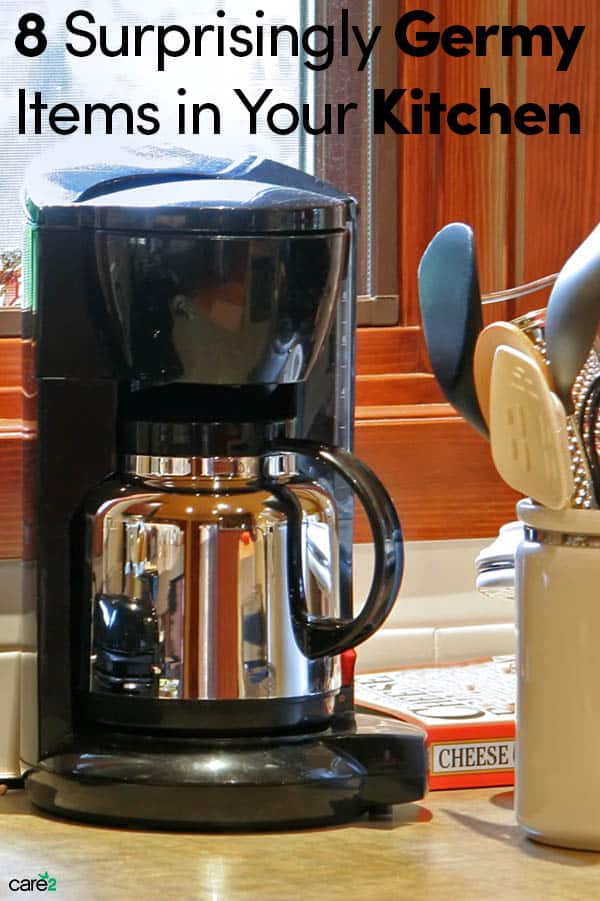
8. COFFEE RESERVOIR
Letting your coffee reservoir go too long without cleaning can expose you to mold and yeast. Testing has shown these reservoirs are among household items harboring more bacteria than a toilet seat.
Check the user manual for guidance on keeping your reservoir and machine clean. Give the entire coffee maker a thorough cleaning at least once a month.
What methods do you use to keep germs out of your kitchen?
Images courtesy of Getty