The age of robotic automation is here. Today, sophisticated machines regularly monitor shopping centers, medical facilities, and roadways, growing ever more skilled in activities ranging from harvesting produce to conducting surgical procedures. This wave of automation promises to reshape our existence.
How Robots Charmed Us with Backflips This Year
Bots That Flip Through the Air
BostonDynamics
A recently revealed machine can perform astonishing parkour stunts, notably a seemingly effortless backflip. This agile creation from Boston Dynamics indicates that the firm is advancing quickly in teaching humanoid robots to traverse intricate and demanding terrains.
To those who followed the 2015 DARPA Robotics Challenge—where an earlier iteration of this robot had difficulty with basic actions such as opening doors or exiting a vehicle—the backflip appears to be a huge leap forward. Still, it remains uncertain if the machine can execute the trick reliably or adjust to varied conditions.
In 2014, Google acquired Boston Dynamics as part of a rapid buying frenzy that also included other prominent robotics firms. The company's founder, Marc Raibert, is a roboticist who broke new ground with dynamic balancing algorithms for legged machines and formerly taught at MIT. The lifelike motions of these robots occasionally give them an eerily animate quality.
Walking robots are still costly and challenging to bring to market. Therefore, it was hardly shocking when Google offloaded Boston Dynamics to Japan's Softbank earlier this year. Nevertheless, the company continues to innovate, recently unveiling a four-legged robot named Spot. This device demonstrates progress in miniaturization and precision control.
A Dexterous Gripper
In a further notable achievement, Ken Goldberg and his UC Berkeley team showcased a robotic arm that can grasp a broad assortment of items. The striking aspect of this Berkeley robot is that it acquired this skill not via meticulous coding or endless repetition, but by analyzing an extensive library of virtual objects and grip techniques. Subsequently, it employed that knowledge to pick up even novel and oddly shaped items.
Object grasping is still one of robotics' greatest hurdles, and this research illustrates how advanced learning methods—combined with the ability for robots to exchange data through cloud systems—could greatly enhance the dexterity of robotic arms in industrial and warehouse settings. That, in turn, might enable much broader adoption of the technology.
Right Hand Robotics, a Cambridge, Massachusetts-based startup, is one of the companies expanding the applications of picking robots. This year, the firm exited stealth mode, introducing an innovative gripper and a cloud-based system that allows its robots to quickly share knowledge and accelerate learning.
Warehouses appear especially primed for robotic transformation, with numerous firms developing machines to automate the repetitive aspects of such work. Amazon is investing in cutting-edge warehouse robots through a competition that tasks machines with performing the picking operations currently done by thousands of employees in its massive fulfillment centers. This year's winner, from the Australian Centre for Robotic Vision, needed only a handful of images to grasp how to pick up a new object. It may not be long before Amazon's warehouses—which already employ robots to transport shelves—essentially become giant profit-generating machines.
Genuinely Self-Driving Vehicles
Waymo
Waymo, a subsidiary of Alphabet (Google's parent firm) established to bring autonomous cars to market, declared that it would begin testing its self-driving vehicles with no human safety driver onboard. This milestone is substantial, indicating that the engineering team believes the system has achieved a sufficient degree of dependability.
The technology advances steadily, aided in part by innovative sensors and smart artificial intelligence methods. Among car manufacturers, Tesla continues to push forward with its partially autonomous system, while Uber is one of many firms racing to deploy self-driving trucks on highways. In October, Yamaha unveiled an impressive self-balancing robotic motorcycle that can tear around a track at 124 miles per hour. The pizza delivery industry might be forever changed.
Yamaha
Autonomous cars are not yet prepared to dominate the streets. Major uncertainties continue to surround the technology, such as whether the sensors are sufficiently trustworthy and how easily cyberattackers might seize control of the vehicles.
Robots in Our Midst
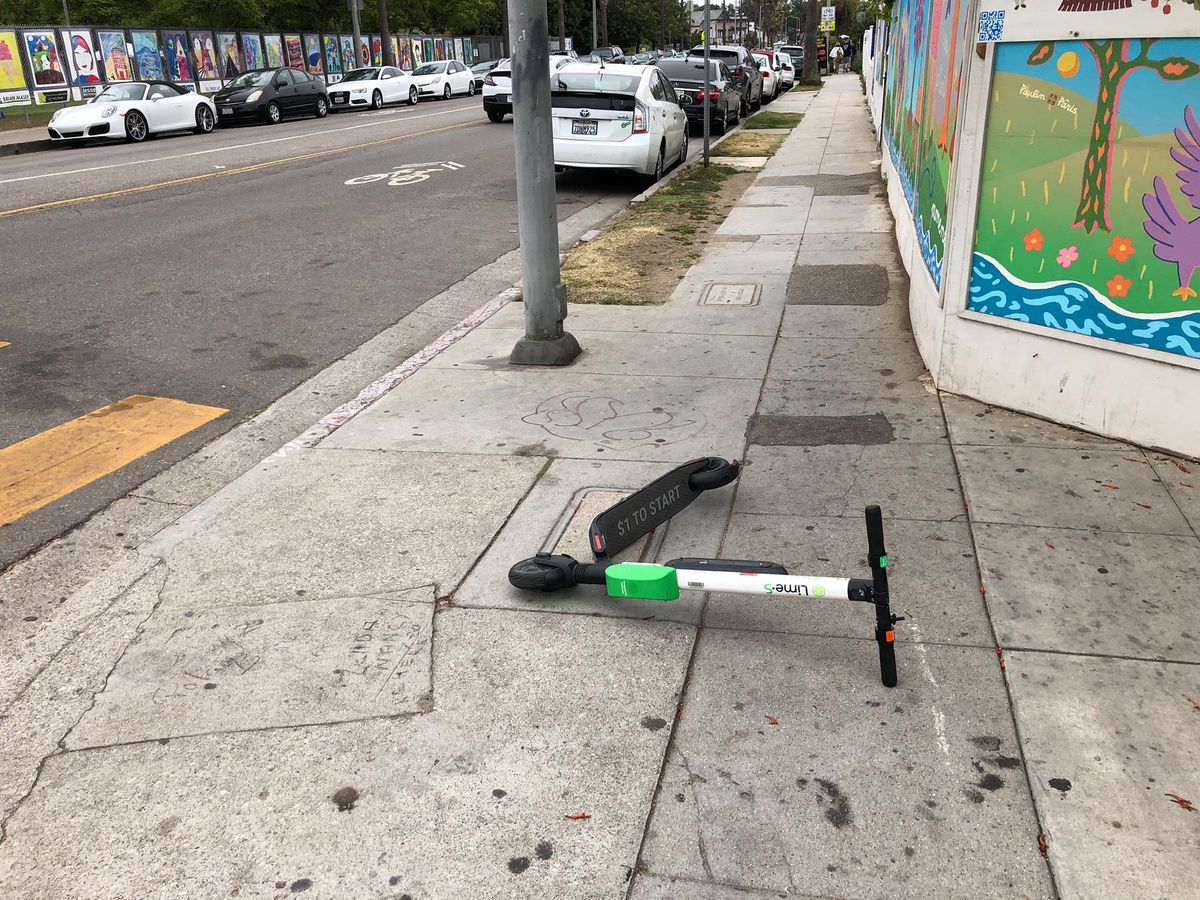
The robotic transformation now reaches far past roads and storage facilities. Machines are undergoing trials in retail outlets, hotels, dining establishments, and similar environments. A number of startups are also experimenting with delivery robots in the San Francisco area.
Curiously, that same tech-forward metropolis seems to be the heart of a growing resistance to robots. The city's Board of Supervisors recently raised concerns about the proliferation of sidewalk-traveling devices, aiming to impose tight restrictions. The board has additionally suggested a tax on robots, potentially to support a basic income for individuals whose jobs are eliminated by automation.
Sophisticated robots are merely the most conspicuous instance of technology-fueled job loss. Many positions are being phased out by simpler automation methods and, more and more, by software. Because it remains unclear how many sustainable new roles this automation wave will generate, its effect on the economy and society is likely to be profound.
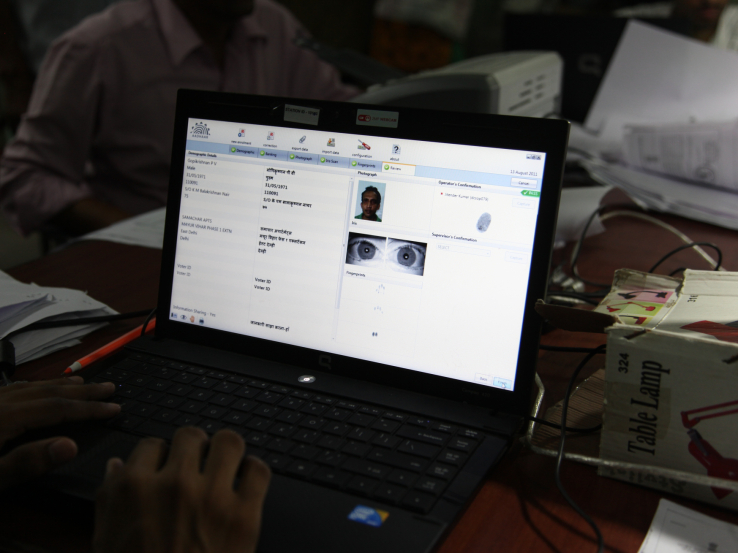
How automation, artificial intelligence, and robotics are transforming the future of employment is a crucial subject for anyone curious or worried about technology's influence on daily life. MIT Technology Review has explored this topic extensively in previous coverage. Recently, we examined the global landscape, including articles on how software automation is altering India's outsourcing industry and how China is emerging as a leader in AI development.
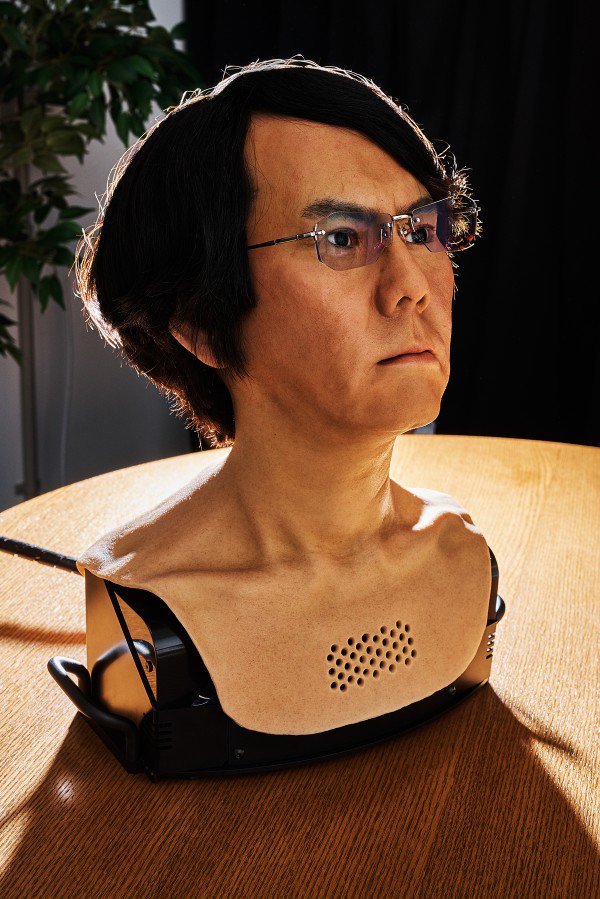
Although robots remain fairly unintelligent, their growing capabilities prompt questions about how our interactions with them might change. In a special edition focused on AI, novelist Louisa Hall reflected on how we might respond to machines that can detect and react to our emotions in unsettling ways. An intriguing article in Wired likewise delved into this subject, spotlighting one of the field's most unusual figures: the prolific and eccentric Japanese professor Hiroshi Ishiguro.
Before getting overly excited, it is highly advisable to read an essay by one of the pioneers of contemporary robotics, offering perspective on the advancements and hype around AI. This piece also serves as a helpful roadmap for anyone trying to understand the impending robot revolution.
%22%20%2F%3E%0A%20%20%20%20%20%20%3Cstop%20offset%3D%22100%25%22%20stop-color%3D%22hsl(121%2038%25%2069%25)%22%20%2F%3E%0A%20%20%20%20%3C%2FlinearGradient%3E%0A%20%20%3C%2Fdefs%3E%0A%20%20%3Crect%20width%3D%221200%22%20height%3D%22750%22%20fill%3D%22url(%23bg)%22%20%2F%3E%0A%20%20%3Ctext%20x%3D%22600%22%20y%3D%22286.5%22%20text-anchor%3D%22middle%22%20fill%3D%22hsl(130%2052%25%2036%25)%22%20font-family%3D%22Inter%2C%20ui-sans-serif%2C%20system-ui%2C%20sans-serif%22%20font-size%3D%2224%22%20font-weight%3D%22700%22%20letter-spacing%3D%220.22em%22%3ETECH%3C%2Ftext%3E%0A%20%20%3Ctext%20text-anchor%3D%22middle%22%20fill%3D%22hsl(327%2038%25%2020%25)%22%20font-family%3D%22Georgia%2C%20'Times%20New%20Roman'%2C%20serif%22%20font-size%3D%2250%22%20font-weight%3D%22700%22%3E%3Ctspan%20x%3D%22600%22%20y%3D%22351.5%22%3EYouTube%26apos%3Bs%20So-Called%20%26apos%3BOpen%3C%2Ftspan%3E%3Ctspan%20x%3D%22600%22%20y%3D%22410.5%22%3ELetter%26apos%3B%20on%20Logan%20Paul%20Is%3C%2Ftspan%3E%3Ctspan%20x%3D%22600%22%20y%3D%22469.5%22%3EAnything%20But%20Transparent%3C%2Ftspan%3E%3C%2Ftext%3E%0A%3C%2Fsvg%3E)