How often have you discarded leftovers simply because they were past their stamped date? We’ve done it countless times ourselves.
However, before you toss that "expired" item, pause. A date printed on a package isn’t necessarily a sign of spoilage. Many foods remain safe to consume well beyond those dates. We’ve looked into the facts and compiled advice to help you avoid wasting good food—or accidentally eating something that’s actually off.
Decoding Date Labels
Understanding Common Date Terms
Date labeling on food is optional under FDA rules. Still, most manufacturers include some kind of date, though the wording varies—and very few are true expiration dates. As reported by Time, here’s what the typical labels signify:
- “Use by” or “Best by” – These generally don’t indicate spoilage; they simply show when the product is at peak quality.
- “Sell by” – This date is meant for retailers, not shoppers. It helps stores manage inventory and restocking. Many experts argue that this label should be hidden from consumers to avoid confusion with actual expiration dates.
READ: Discover Why Cilantro Is One of the World’s Most Powerful “Superherbs”
Practical Tips for Food Storage
Many foods remain perfectly fine well beyond their "sell by" or "enjoy by" dates, though knowing which ones can be tricky. Keep these pointers in mind:
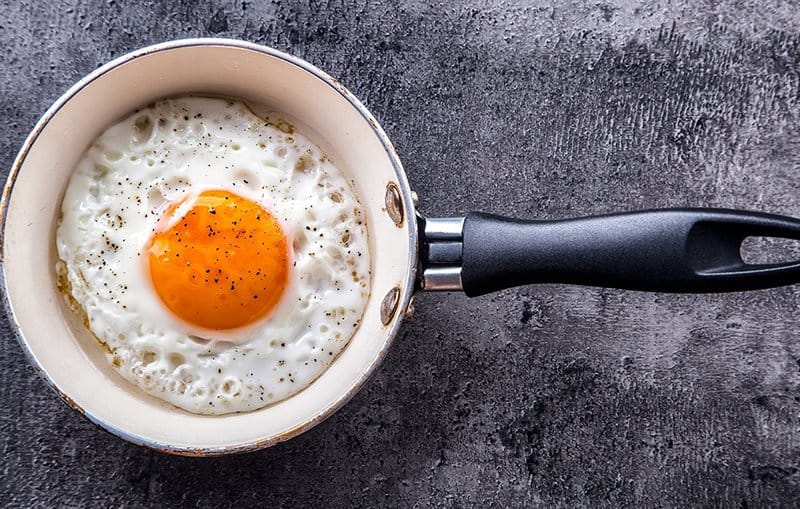
- Eggs – Safe to eat 3–5 weeks after purchase. To check freshness, submerge an egg in water; if it floats, discard it.
- Canned goods – Quality varies, but many last for years. Even if the printed date is a year out, canned items often stay good for about two years from purchase.
- Apples – Refrigerated apples keep for roughly three weeks. Cooked and frozen, they’ll last about eight months.
- Cereal – According to Emily Broad Leib, director of the Harvard Food Law & Policy Clinic, cereal “doesn’t really go bad.” She notes that quality isn’t a major concern—if the box is left open, it may become stale, but it won’t make you sick.
- Meat – Best frozen as soon as possible. Frozen meat can last months; it might lose some flavor, but seasoning and cooking can compensate.
Image courtesy of NordWood Themes
ALSO READ: Learn Which Chips Can Be Harmful to Humans