Written by Azriel ReShel for UPLIFT
Evidence That Noise Hurts and Silence Heals
At some stage in life, everyone recognizes the worth of quiet. Silence feels soothing, restorative, and comforting. It invites inspiration and cares for the mind, body, and spirit. In contrast, the chaos of a loud environment stifles our creativity, disrupts inner connection, and weakens our ability to bounce back. Modern research indicates that silence could be exactly what our tired brains and bodies require to recharge.
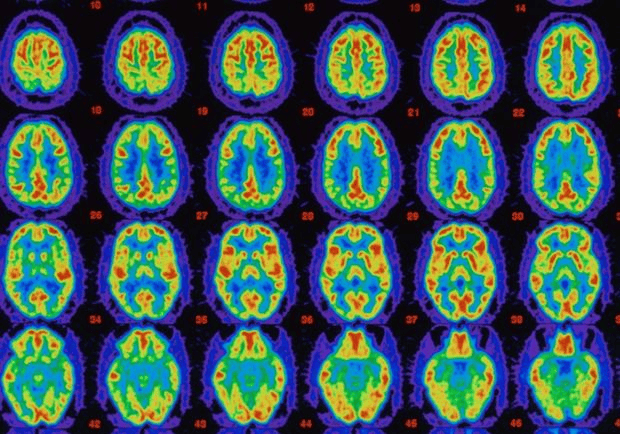
Research demonstrates that noise exerts a strong physiological impact on the brain, raising stress hormone levels. Sound waves are converted into electrical signals that travel through the ear to the brain. Even during sleep, these vibrations trigger a response, activating the amygdala—a region linked to memory and emotion—and prompting stress hormone release. Consequently, residing in a perpetually loud setting leads to chronically elevated concentrations of these damaging chemicals.
Curiously, the term 'noise' is believed to originate from the Latin 'nausia' (disgust or nausea) or 'noxia' (hurt, damage, injury). Noise is associated with hypertension, cardiac disease, tinnitus, and sleep disruption. Everyone has felt the harmful consequences of noise pollution. Loud environments can be a significant assault on the senses, and an increasing number of individuals now describe themselves as highly sensitive, unable to cope in disorderly, loud spaces. Yet science now offers evidence that noise is harmful and that silence has therapeutic effects.
Research confirms that noise triggers the release of stress hormones in the brain.
The Influence of Silence
In 2011, the World Health Organization (WHO) assessed and measured noise's health impact across Europe. They determined that 340 million inhabitants of Western Europe—roughly the US population—were forfeiting one million years of healthy life annually due to noise. Additionally, WHO attributed 3,000 deaths from heart disease to excessive noise. Cornell University Professor Gary W. Evans conducted a study published in Psychological Science, tracking the influence of airport noise on children near Munich's airport. The findings revealed that children subjected to noise developed a stress response that led them to tune out the noise. Evans noted that these children ignored not only the harmful airport noise but also more common sounds like speech. He stated, "This study is among the strongest, probably the most definitive proof that noise–even at levels that do not produce any hearing damage–causes stress and is harmful to humans." Researchers did not originally intend to study silence; its advantages were uncovered accidentally. Silence initially appeared in scientific studies as a control or baseline for comparing noise or music effects. In 2006, physician Luciano Bernardi investigated the physiological impacts of noise and music and made a surprising observation. When participants encountered random silent intervals between noise and music, a significant effect occurred. Those two-minute pauses proved more relaxing for the brain than either the calming music or the extended silence preceding the experiment. Bernardi's so-called "irrelevant" blank pauses turned out to be the most critical element of his research. A key conclusion was that silence becomes more powerful when contrasted with sound.
The brain detects silence and reacts strongly.
Numerous meditation instructors and practitioners confirm this, and spiritual guides recommend that students incorporate regular meditative breaks into their daily routine. While we might perceive silence as an absence of stimulation, research indicates the opposite. The brain identifies silence and reacts in a potent manner. Subsequent work by Duke University regenerative biologist Imke Kirste revealed that two hours of quiet each day stimulated cell growth in the hippocampus—the brain area associated with memory formation and sensory processing.
Making Time to Disconnect
The Attention Restoration Theory holds that environments with reduced sensory input allow the brain to regain some cognitive capacities. In our digital age, the brain has fewer opportunities to disengage. We are perpetually handling vast quantities of data. Studies indicate that the relentless attention demands of contemporary life heavily tax the prefrontal cortex—the region in charge of decision-making, problem-solving, and other functions. When we spend solitary time in quiet, the brain can unwind and let go of that continual concentration.
Scientists discovered that silence assists new cells in differentiating into neurons and incorporating into the neural network. Moreover, during quiet periods, the brain can more effectively process both internal and external surroundings. This enables us to find meaning in our lives and acquire perspective—an essential component of overall well-being.
Noise induces stress, whereas silence alleviates stress and tension in both brain and body. Quiet restores and enriches our cognitive reserves. Noise impairs concentration, cognitive abilities, motivation, and overall brain function—as research on noise effects confirms. Yet studies demonstrate that even brief periods of silence can remarkably recover what was diminished by excessive noise. Spiritual teachers throughout history have always understood this: silence heals, leads us inward, and harmonizes body and mind. Today, science echoes that wisdom.
The restorative effects of nature and calm are thoroughly recorded, and now we can include brain nourishment in our pursuit of health and wellness. The straightforward, age-old practice of silence might be exactly the soothing remedy required to counteract our frantic contemporary existence. Buddha said, 'Silence is an empty space. Space is the home of the awakened mind.'
ALSO READ: How the Brain Responds to Absolute Silence and Inner Peace