True quiet. When was the last time you actually experienced it? In today's world, silence has become an increasingly scarce resource. We are surrounded by a constant barrage of sounds: conversations, traffic, aircraft, music, commercials, construction work—the list seems endless. While traveling recently, I found myself craving stillness amid the relentless honking, shouting tourists, and clattering noises. Silence is not easy to come by; people often say it's precious. But just how vital is it, and what happens to our mental health if we never get any?
Back in 2011, the Finnish Tourist Board launched a promotional effort that marketed silence itself. The goal was to attract visitors to Finland to enjoy the appeal of its quiet landscapes. They published photographs featuring solitary individuals in natural settings, accompanied by the phrase 'Silence, Please.' Simon Ahnolt, a global branding expert, contributed an additional slogan: 'No talking, but action.'
Finland may be onto a significant insight. This campaign marks an early instance of silence being used as a marketing tool—its appeal grows as it becomes rarer. Honestly, consider this: how frequently do you encounter total quiet? Noise pollution is a daily reality, yet we rarely give it a second thought. Emerging scientific research indicates that silence plays a far more crucial role for our brains than most people realize.
What Science Says About Silence
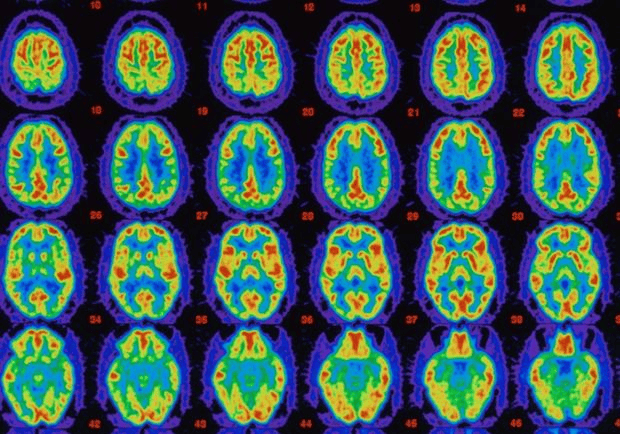
In 2013, a study featured in the journal Brain, Structure and Function exposed mice to different sound conditions and tracked how noise and quiet influenced their brain activity. Initially, silence was meant to serve as a control variable, but the results took researchers by surprise. They found that mice given two hours of absolute quiet each day produced new neurons in the hippocampus—the area of the brain linked to memory, emotional processing, and learning.
Generating new brain cells does not automatically translate to better health, but in this case, researcher Imke Kirste noted that the newly formed cells seemed to develop into active neurons. Kirste explained that silence assists the newly generated cells in differentiating into neurons and becoming part of the neural network. In essence, silence has the capacity to literally expand your brain.
A 2001 study identified a 'default mode' of brain operation, revealing that even when the mind appears to be at rest, it remains continuously active, processing and assessing information. Subsequent research indicated that this default mode also plays a role in self-reflection. In a 2013 paper published in Frontiers in Human Neuroscience, Joseph Moran and colleagues stated that the brain's default mode network is most active during self-reflection—thinking about one's own personality traits—rather than during self-recognition, self-concept thinking, or self-esteem considerations.
According to Moran and his team, when the brain is at rest, it can merge internal and external information into what they call a 'conscious workspace.' Put differently, when the mind is free from noise and goal-driven activities, a tranquil space emerges where the conscious workspace can handle information in an alternative way. During such silent intervals, the brain gains the liberty to understand its position within both your inner and outer worlds.
As Herman Melville once wrote,
"All profound things and emotions of things are preceded and attended by silence."
The Contrasting Impact of Silence and Noise on the Brain
Noise, at nearly any volume, induces stress and physical tension, whereas silence alleviates that tension in both mind and body. One study in the journal Heart found that a mere two minutes of quiet can be more calming than listening to so-called relaxing music—surprising, isn't it?
The impact of noise pollution on cognitive performance has been the subject of extensive research. Noise can disrupt productivity at work and in educational settings, leading to reduced motivation and a higher rate of mistakes. The cognitive abilities most vulnerable to noise include reading focus, memory retention, and problem-solving skills. Many of us can relate: trying to read or study while someone nearby plays loud music or watches television makes concentration nearly impossible.
Interestingly, multiple studies have demonstrated that children residing or attending schools near airports, flight paths, railways, or highways tend to have poorer reading performance and lag behind in cognitive and language development.
Fortunately, There Is a Solution
The human body is an extraordinary system, and the brain—well, its complexity is almost impossible to grasp. In fact, the brain cannot completely comprehend itself. Fortunately, it can replenish its limited cognitive resources. According to attention restoration theory, being in an environment with reduced sensory stimulation allows the brain to regain some of its cognitive capacities. In silence, the brain can lower its heightened sensory defenses and recover some of what has been depleted by constant noise.
If a trip to Finland isn't feasible, don't worry—there are plenty of other ways to find quiet. Living in a city may make it more challenging, but it's still achievable. Natural sounds are not considered noise pollution, so a walk in the woods, a visit to a peaceful park, sitting by the ocean, or even trying a sensory deprivation tank can provide the benefits of silence. We all need stillness, yet it's easy to overlook in our fast-paced, always-busy world. The good news is that awareness leads to change, and we can consciously make time for what nurtures our mind, body, and soul.
Much Love