What did Romans eat in ancient times? A look at Julius Caesar's personal menu and recipes that can still be made today. Roman culinary traditions were heavily shaped by the food culture of Ancient Greece. The foundation of this ancient diet rested on three staples: bread, wine, and olive oil—no meal was complete without them.
In early Rome, the primary foods were bread and grains, used to make porridges and stews like pula—a blend of flour, honey, salt, olive oil, and water. They also had a fondness for borscht, cultivating cabbage and beets specifically for it. Even famous artists and emperors took part in growing these vegetables.
Rome is often credited with inventing salads. Back then, they were made from shredded lettuce, parsley, and onions, dressed with honey, salt, vinegar, and olive oil—ground black pepper became a common addition starting in the 1st century AD.
Breakfast was an important meal for Romans, hearty and flavorful. Typically, it consisted of leftovers from the previous evening: olives, capers, eggs, bread with cheese, and honey. Children received milk along with sweet or savory wheat cakes. For a midday meal, they had a light lunch or grabbed something from street vendors.
DISCOVER Your Celtic Zodiac Sign Based on the Ancient Celts' Horoscope
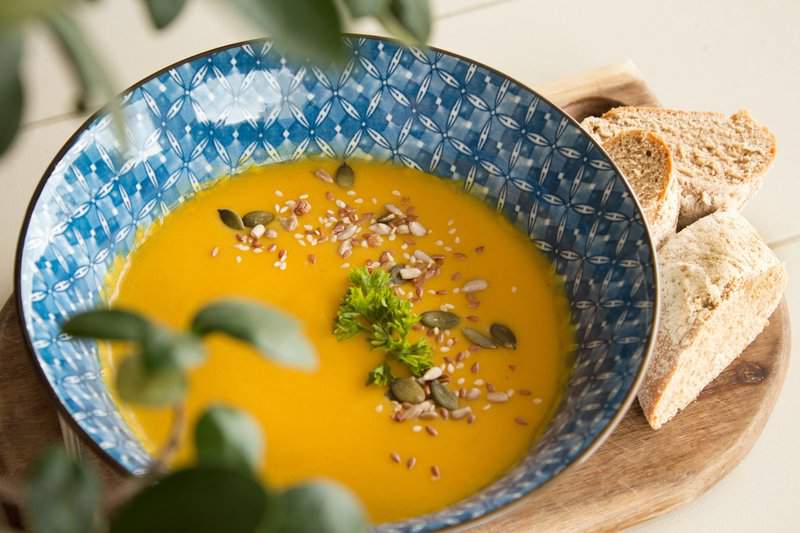
As night fell, families came together for a substantial dinner. The table always featured soups made from grains or dried vegetables, along with cheese, vegetables, olives, and meat.
In the late Roman Republic, cooking evolved into an art form, and skilled slave chefs became highly valuable. Dishes grew more sophisticated, and certain ingredients commanded exorbitant prices.
Under the Roman Empire, even emperors took an active interest in culinary arts, vying to create the most innovative recipes. Lavish feasts were organized, where the primary goal was to astonish the nobility with the dishes served.
A Roman lunch typically had three courses: appetizers (gustus or gustatio), a main course (mensa prima), and dessert (mensa secunda), which mostly featured fruits and sweets.
Popular appetizers included eggs and egg-based dishes, vegetables, salads, mushrooms (including truffles), seafood, herb-infused cheese, olives, sauces, and fricassee.
Meat dishes were extravagant—whole animal carcasses were roasted, various sausages were fried, along with organ meats (tripe, kidneys, testicles, etc.) and less desirable parts like ears, tails, skin, and udder. Romans also delighted in delicacies made from small birds such as pigeons and blackbirds.
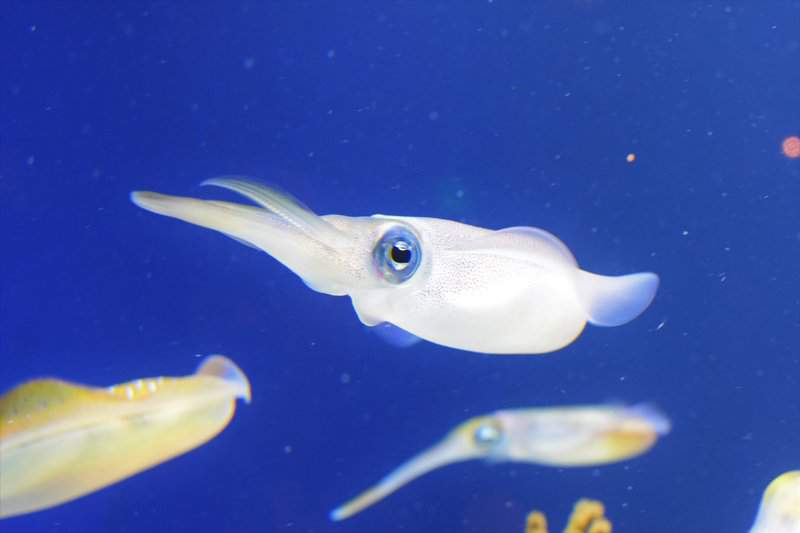
Fish dishes were remarkably varied. They prepared smelt (apua), azella (asellus), sea bass (lupus), stingray (torpedo), and other exotic marine and freshwater species. Seafood included crayfish, lobster, and squid.
Julius Caesar's Personal Menu
A legend claims that the famous Roman emperor had a particular fondness for carrots, believing them to be aphrodisiacs. He allegedly invited the entire Roman Senate to a banquet featuring only carrot-based dishes, hoping to boost everyone's libido. The truth of this story remains uncertain.
Caesar is also attributed with the well-known saying, 'We are what we eat.' Marcus Gavius Apicius, who wrote one of the earliest cookbooks, lived during Julius Caesar's era.
Apicius's cookbook, 'On the Art of Cooking,' features dishes blending recipes and ingredients from various parts of the world: Alexandrian pumpkin with honey and pine nuts, lamb stuffed with savory and damask plums, ostrich with two types of dates, and Indian-style peas with squid and octopus, seasoned with wine, green onions, and coriander.
Recreating a Roman Dinner from Caesar's Era
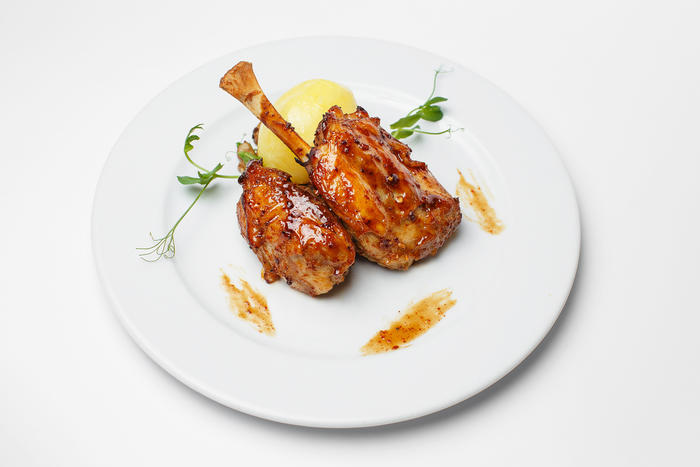
Parthian-Style Chicken
Ingredients: 4 chicken pieces, 1 teaspoon ground black pepper, 4 tablespoons hot Vietnamese fish sauce (or 4 anchovy fillets in vegetable oil), 3 garlic heads, 2 teaspoons caraway seeds, ½ cup chopped parsley, ½ cup chopped celery, ½ cup white wine.
Cut the chicken into portions. Prepare the sauce by combining black pepper, parsley, celery, caraway seeds, and garlic, then soaking the mixture in hot fish sauce diluted with water. Pour this sauce over the chicken and simmer until fully cooked. Serve with an extra sprinkle of black pepper.
Olive Caviar (Epityrum)
Use 100g whole black olives (or green olives), 1 teaspoon caraway seeds, 1 teaspoon fennel seeds, 1 teaspoon coriander seeds, 3 mint leaves, 2 tablespoons olive oil, 3 tablespoons white wine vinegar.
Pit the olives and chop them. Using a mortar, grind the caraway, fennel, and coriander seeds. Finely mince the mint. Combine all ingredients in a blender and pulse. Slowly add the oil and vinegar, then blend for an additional minute. Serve alongside bread slices.
Honey-Glazed Ham
Ingredients: one thick slice of pre-cooked ham, honey (enough to coat), 500g flour, olive oil.
Score the ham in a crosshatch pattern with a knife, then rub honey all over it. Prepare a shortcrust pastry by combining flour and olive oil. Roll out the dough, place the ham on top, and drizzle with another spoonful of honey. Carefully fold the dough around the ham and transfer to a greased baking dish. Bake at 160°C (320°F) for 20 minutes. This dish can be enjoyed hot or cold.
Honey-Stuffed Dates
Ingredients: one box of fresh or dried dates, 30g walnuts or pine nuts, optional ground black pepper, honey (enough for frying), a pinch of salt.
Stuff the dates with walnuts or pine nuts, and optionally add a pinch of black pepper. Roll them in salt, then fry in honey for 5–10 minutes. Transfer to a plate lightly greased with vegetable oil to prevent sticking. Serve warm.