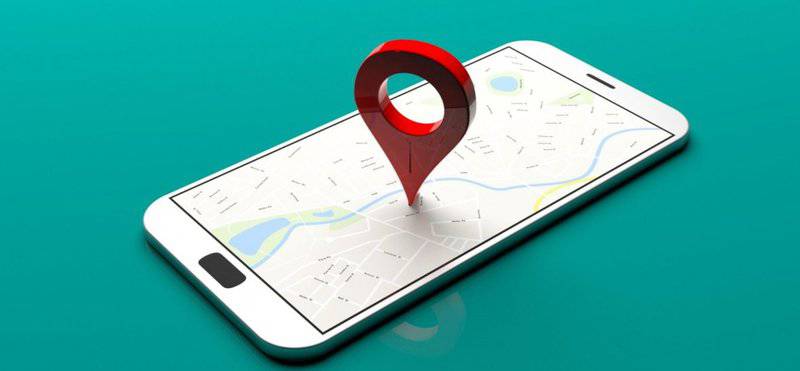
Have you ever considered just how much your smartphone knows about you? Today's mobile devices are far more than simple communication tools—they are intelligent gadgets that simplify life while simultaneously introducing new complexities, particularly around information security. The pressing question is: can we keep our data truly private? Let's explore this together.
Geolocation tracking via images
The Smartphone as a Vault of Personal Data
Modern smartphones are inherently linked to cloud ecosystems, most commonly Google's services. However, platforms like Android, EMUI, and iPhone also gain access to your information the moment you power on and set up the device. Beyond digital traces, we leave chemical residues on screens and other surfaces—residues that can reveal intimate details about our lives, including our health.
Data stored on smartphones
Chemical Imprints Left Behind
Researchers from the Proceedings of the National Academy of Sciences (PNAS) conducted a study to uncover what our phones physically retain. One striking finding: particles from sunscreen and insect repellent remained on smartphone surfaces up to two months after the products were last applied.
What your phone reveals about you
These chemical traces help paint a detailed portrait of the owner. For instance, the phone can indicate whether a person prefers coffee or tea, uses high-end cosmetics, takes antidepressants or sleeping pills, or avoids sun exposure. Similarly, analyzing residues can reveal clues about a person's home decor preferences—by identifying particles from furniture materials like wood, metal, plastic, or fabric. Extracting DNA from these residues remains challenging, though it is possible in some cases.
Obtaining this kind of data requires serious laboratory work. Still, the mere possibility is concerning. In our fast-evolving world, marketers may soon leverage such insights for targeted campaigns. Forensic experts also find these discoveries valuable.
Digital privacy concerns
Google: A Force for Good or Evil?
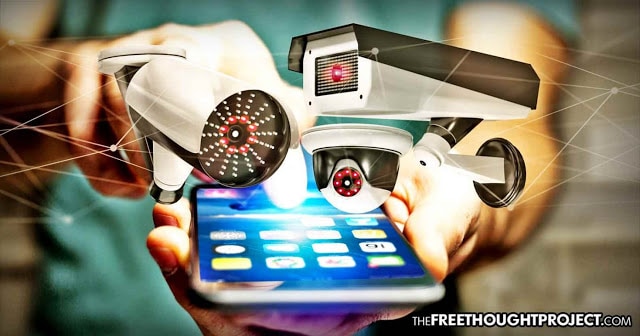
Many users worry that the vast amounts of personal data stored in cloud services will be misused. Yet we recall how carefully Apple and Facebook protect customer information. The real question is whether these companies could transform into powerful entities with the keys to global societal control.
Philosopher Francis Bacon famously said, "Knowledge is power." Today, we might rephrase that as "Information is power." Data has become the world's most valuable resource, and our smartphones are treasure troves for global corporations. Have you noticed that searching for something on Google triggers related ads? Sometimes the targeting is eerily precise—for example, men never see ads for dresses unless they specified their gender in their Google account.
The perils of digital media
The Upside of Smartphones
Panic and radical data deletion aren't the answer. In today's world, relying on calendar notes, built-in organizers, and contact lists is almost unavoidable. Media scholar Marshall McLuhan described media—including smartphones—as extensions of ourselves, beneficial "crutches" that enhance our capabilities. Without them, modern life would be nearly impossible. Fighting this reality is futile; our information hasn't been entirely private for a long time. However, we still control how we manage our data and who gains access.
Smartphone capabilities
Addressing Information Security
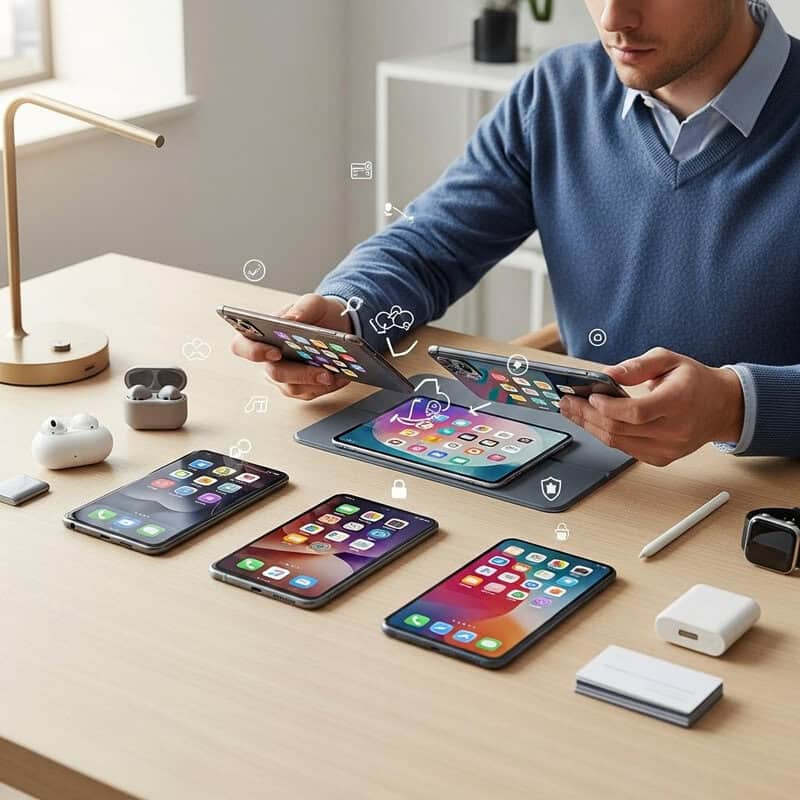
A smartphone essentially serves as a digital replica of ourselves—it knows our habits, preferences, choices, and stores our messages, photos, and videos. It has become our mailbox, photo album, and even a tool for managing relationships. This isn't inherently negative. Problems arise when this information is used against us. To mitigate risks, adopt security measures: enable two-factor authentication (available on platforms like Facebook), create strong passwords, and link your smartphone to your phone number and email. Also, install official security updates, use screen locks, and protect individual apps with passwords, PINs, patterns, or fingerprints. Remember, we ultimately decide what data our smartphones collect.
Cybersecurity essentials
Android's Activity Log: What It Tracks
Android, like Google, stores extensive information—not just about us but also our actions. You can review your activity log to see which apps you used, what you did within them, and which Google Chrome pages you visited. It can be unsettling! To check, visit the My Activity page (accessible via Google). There, you'll discover what your device did without your explicit knowledge.
PS All this data can be deleted, and privacy settings can be customized. You can adjust data collection through your smartphone by navigating to "Settings" (or "Google Settings") and selecting "Personal information and privacy."
READ Your Phone is Spying On You Proved Without a Doubt By University Study
Multifunctional phone
Summary: What Your Phone Knows About You
Let's recap the types of data your smartphone collects:
- Personal identifiers, login credentials, passwords, and location data (geolocation);
- Personal details (name, surname, contact numbers, email, bank card information, etc.);
- Chemical residues;
- Records of websites visited and apps used;
- Audio recordings of commands given to "Siri" or "Google" ("Ok Google");
- All sent messages;
- Information you've authorized for collection or shared with Google;
- Travel data and speed metrics;
- Data accessed by your installed apps.
PS Even if you disable automatic location services, some apps (e.g., Uber, Yandex Taxi, Google Maps) activate geolocation during authorization.
Information stored on smartphones
The age of total digitalization has made information more valuable than gold or platinum. Sometimes we give away our precious data for free; other times, we monetize it (for instance, through Instagram). Understanding how deeply your smartphone has infiltrated your life and how much it has learned about you is crucial. Those who control information control the world!
Featured image on unsplash.com

%22%20%2F%3E%0A%20%20%20%20%20%20%3Cstop%20offset%3D%22100%25%22%20stop-color%3D%22hsl(121%2038%25%2069%25)%22%20%2F%3E%0A%20%20%20%20%3C%2FlinearGradient%3E%0A%20%20%3C%2Fdefs%3E%0A%20%20%3Crect%20width%3D%221200%22%20height%3D%22750%22%20fill%3D%22url(%23bg)%22%20%2F%3E%0A%20%20%3Ctext%20x%3D%22600%22%20y%3D%22286.5%22%20text-anchor%3D%22middle%22%20fill%3D%22hsl(130%2052%25%2036%25)%22%20font-family%3D%22Inter%2C%20ui-sans-serif%2C%20system-ui%2C%20sans-serif%22%20font-size%3D%2224%22%20font-weight%3D%22700%22%20letter-spacing%3D%220.22em%22%3ETECH%3C%2Ftext%3E%0A%20%20%3Ctext%20text-anchor%3D%22middle%22%20fill%3D%22hsl(327%2038%25%2020%25)%22%20font-family%3D%22Georgia%2C%20'Times%20New%20Roman'%2C%20serif%22%20font-size%3D%2250%22%20font-weight%3D%22700%22%3E%3Ctspan%20x%3D%22600%22%20y%3D%22351.5%22%3EYouTube%26apos%3Bs%20So-Called%20%26apos%3BOpen%3C%2Ftspan%3E%3Ctspan%20x%3D%22600%22%20y%3D%22410.5%22%3ELetter%26apos%3B%20on%20Logan%20Paul%20Is%3C%2Ftspan%3E%3Ctspan%20x%3D%22600%22%20y%3D%22469.5%22%3EAnything%20But%20Transparent%3C%2Ftspan%3E%3C%2Ftext%3E%0A%3C%2Fsvg%3E)