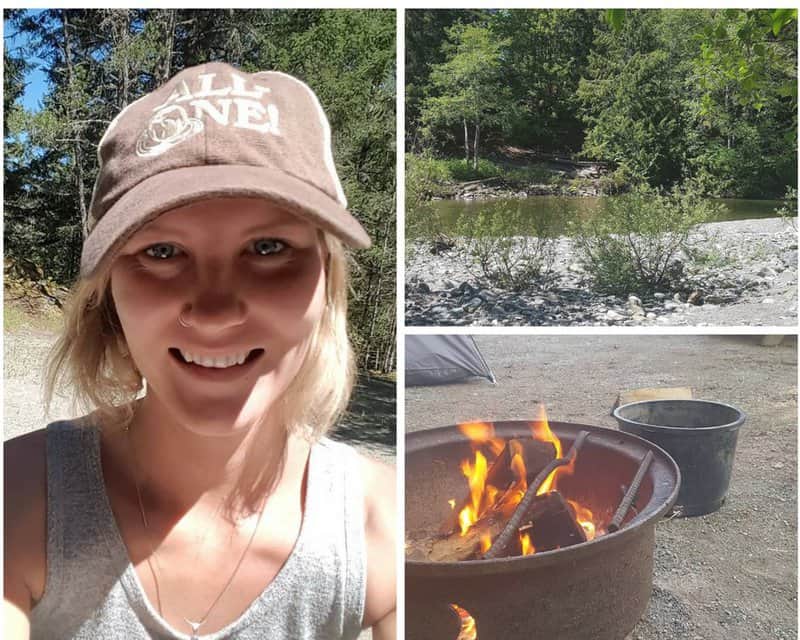
I just returned from a solo camping trip in the wilderness, completely cut off from cell service. To my surprise, it turned out to be an incredibly impactful experience, granting me the quiet moments needed for deep self-reflection. I could finally see clearly which parts of my life were serving me and which were not. Nature holds immense restorative power, but being genuinely alone—without the usual diversions like social media or films—was especially therapeutic. Allow me to elaborate.
Some readers might shrug this off, thinking, "I camp and hike solo all the time—what's so special?" If that's you, great—keep at it. Others might wonder, "Why on earth would anyone choose that?" And there are those who think, "I wish I had the courage to try it." For me, the idea was daunting; I honestly expected to be bored and miserable throughout. But I couldn't have been more mistaken.
The Transformation I Experienced During Two Solitary Nights in Nature
The Origin of This Concept
After spending four months traveling overseas, I came back to the same city I had left. Once home, I kept busy catching up with everyone, constantly socializing, and basically using other people as a distraction. Distraction from what? Myself, plain and simple.
During my travels, many unresolved issues surfaced, along with a backlog of personal tasks I had been ignoring. My original birthday plan for turning 28 was a dinner out and maybe dancing with friends. But then I realized I had been completely neglecting myself, prioritizing everyone else. So I decided I needed solitude, and going camping—far from people and all distractions—seemed the best option. I shared the plan with a few friends and asked them to keep me accountable because the idea terrified me, but it was that thrilling fear you feel when you step outside your comfort zone. In the end, it became the most meaningful birthday present I've ever received—and I gave it to myself.
What Made It So Impactful?
Before this trip, I imagined I'd be sitting around, desperately bored, counting the minutes. Instead, the experience rivaled any profound insight I've gained from ayahuasca or other plant medicines. Simply being alone in nature brought immediate calm—starting from the drive to my campsite and continuing as I set up my tent and arranged my space. After that, I had endless time to reflect on whatever surfaced. I felt fully present and deeply connected; nature has a way of anchoring you in the now.
One task I had postponed since returning home was writing a letter to my father. I won't go into details, but the idea to write it came during my travels. The longer I delayed, the less urgent it felt. Completing that letter was one of my goals for the camping trip. On the second morning, I sat among the trees in the sunlight and let the words flow. That single act cleared emotional and mental space, allowing me to fully immerse myself in the rest of the experience.
I walked to a stunning river, sat in the sun next to a tree, and absorbed the vastness of the scene. It was a gorgeous, sunny day, and I allowed myself to simply be there, part of it all. The surroundings buzzed with life and energy, and that energy flowed through me too. Normally, I don't do guided meditations, but the meditation that arose naturally while sitting in nature was among the most powerful I've experienced—effortless and unforced.
Soon after, clarity poured in, letting me view my life objectively. I began writing, creating a prioritized list of personal and professional tasks. This process helped me organize all my scattered thoughts, stresses, and anxieties onto paper, making them manageable. Because I hadn't given myself this time before, I felt overwhelmed by mounting responsibilities that I kept pushing aside. Now I realize that chaos was unnecessary—it could have been prevented with just a few hours of solitude each week. With those thoughts externalized, I could clear the mental clutter and make room for stillness.
Remember, all of this occurred just by giving myself permission to take that time. Camping might not appeal to everyone, but solitary time in nature holds immense power. I suspect that our constant connection to technology, other people, and urban environments generates significant anxiety, which can overwhelm us if we don't periodically unplug from devices and reconnect inwardly.
Was This Just My Story, or Could It Help You?
Sure, this worked for me, but does that mean it will work for you? Absolutely—there is a wealth of scientific research demonstrating nature's effectiveness in alleviating stress, OCD, negative thinking, ADD, depression, and many other conditions. Here are a few compelling examples:
Hiking as Therapy
Beyond the immediate sense of peace and satisfaction that outdoor time provides, hiking in natural settings can diminish rumination. Many of us get trapped in negative thought cycles that pull us away from the present moment and, in severe cases, pave the way for depression and anxiety. However, a study published in Proceedings of the National Academy of Sciences revealed that exposure to nature substantially reduces these persistent, negative thoughts.
The Power of a Simple Walk
Brooding refers to a continuous state of worry and stress over daily life events. This pattern of thought is neither healthy nor constructive; in fact, it harms our mental well-being. Often, such thinking habits are a precursor to depression. Unsurprisingly, urban residents are far more prone to brooding than those living in rural areas.
This type of rumination is linked to heightened activity in the subgenual prefrontal cortex. Gregory N. Bratman and his team became interested because this brain region could be measured, especially before and after nature exposure. That led to a second study.
The researchers recruited 38 healthy adults living in a city. Each completed a questionnaire assessing their brooding frequency. Then, brain scans measured blood flow in their subgenual prefrontal cortex. Participants were divided into two groups: one group walked through a lush, tranquil park on campus, while the other walked along a noisy, multi-lane highway with heavy traffic. Neither group could walk with a partner or listen to music during the walk.
Immediately after the walk, they returned to the lab, re-took the questionnaire, and underwent another brain scan. The results matched expectations: the highway walkers still showed elevated blood flow in their subgenual prefrontal cortex, and their brooding scores remained the same. In contrast, the nature walkers demonstrated significant improvements in mental well-being. They dwelled less on life's issues, and their subgenual prefrontal cortex showed reduced blood flow—essentially, that brain region became calmer.
Bratman stated that the evidence strongly indicates that spending time in nature is a straightforward, effective, and nearly instant method for lifting the spirits of urban dwellers.
The Benefits of Ocean Views
A recent study in Health & Place revealed that having an ocean view from one's home is linked to better mental health. The research examined how visible green and blue spaces were for residents of Wellington, New Zealand. Green spaces include forests, parks, and similar areas, while blue spaces encompass water bodies like oceans and rivers. The team used topographic data and cross-referenced it with anxiety and mood disorder information from the New Zealand Health Survey.
The researchers—affiliated with the University of Canterbury in New Zealand and Michigan State University—also controlled for income, age, and gender. Ultimately, they discovered a positive correlation between ocean views and good mental health.
Concluding Reflections
Truly, the evidence is clear: if you feel lost, low, anxious, confused, depressed, uncertain, or disconnected from yourself or anything else, a brief escape from 'reality' and a reconnection with nature might be just the remedy you need. Best of all, it has no side effects and costs nothing.
Always remember that you, just like everyone else, deserve your own love, care, and affection.
With love
A special thanks to Dr. Bronner and his magical soap for the 'All-One!' hat shown in the photo above.