Geoglyphs—massive patterns etched into the earth by various civilizations across eras—capture the public imagination. Modern observers often struggle to conceive how ancient peoples created these enormous designs without today's tools, yet research indicates that technology, though helpful, is not essential. What fascinates further is that contemporary geoglyph creation continues, exemplified by the Marree Man.
What Is Confirmed About the Marree Man
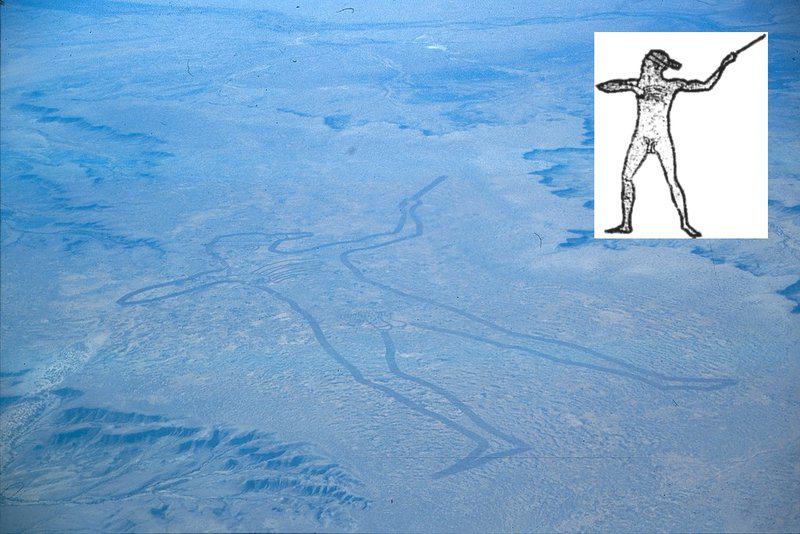
The Marree Man is a geoglyph located in South Australia, first spotted on June 26, 1998, by a pilot flying over the isolated area. The figure appears to show an Indigenous man poised to throw either a boomerang or a stick; intriguingly, its silhouette mirrors that of the Artemision Bronze statue, but flipped.
The creator of the Marree Man—also known as Stuart’s Giant after Scottish explorer John Mcdouall Stuart—remains unknown. One theory points to local artist Bardius Goldberg, who had once expressed a desire to make artwork visible from space. Yet other clues, including a recovered bottle with an American-flagged note and anonymous press releases sent to news outlets, hint at possible U.S. involvement. Neither hypothesis holds much weight, however, leading many to regard the scant evidence as deliberate misdirection.
Interest in the Marree Man's origins persists. Australian entrepreneur Dick Smith has put up a $5,000 reward for anyone providing new details about the geoglyph. Smith himself theorizes that it might have been the work of a group simply looking to alleviate boredom—a scenario that, historically, has led to some extraordinary creations.
Featured image credit: ©Peter Campbel
look4ward.co.uk