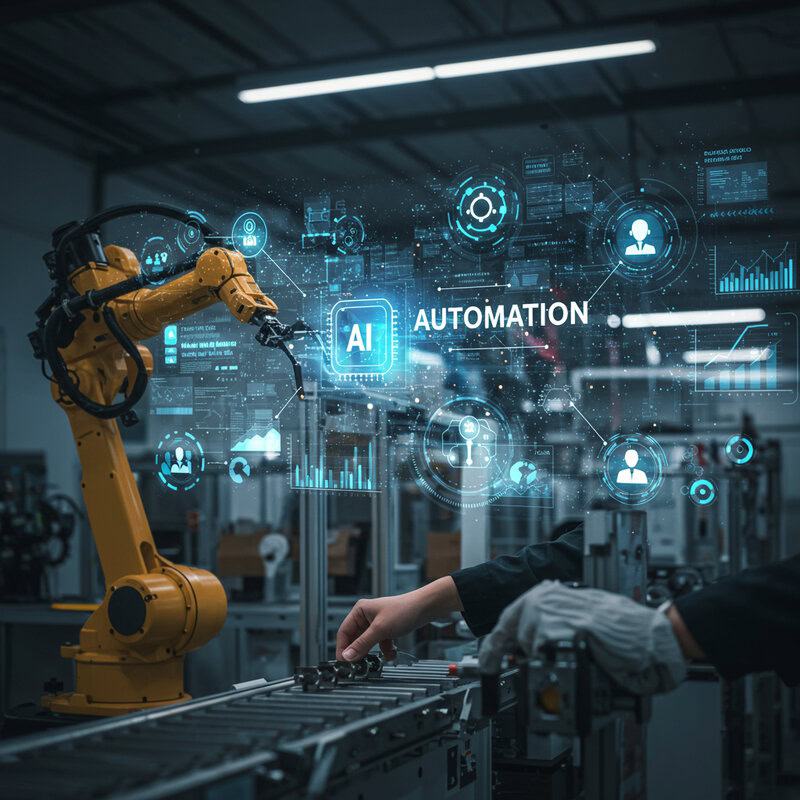
Industries are undergoing swift change due to automation, which is redefining business processes and worker roles. Sectors like manufacturing, healthcare, and finance now rely on smart machines and software to handle routine duties, bringing about new prospects and hurdles.
Grasping the expanding influence of automation is crucial for those who want to succeed in tomorrow's labor market. This piece will explore how job positions are being transformed, what competencies are increasingly sought after, and actionable tactics to remain relevant amid shifting employment landscapes.
The Reach of Automation and Its Consequences
Automation involves deploying technologies like robotics, AI, and machine learning to execute jobs with little human input. Instances encompass robotic assembly lines, AI-driven customer support chatbots, and financial predictive analytics.
Such innovations are overhauling conventional job duties by optimizing workflows and boosting productivity. The expansion of automation stems from demands to cut costs and enhance precision, yet it brings difficulties—certain positions vanish while others emerge, demanding high-level technical expertise. For further information, consult the World Economic Forum's automation insights.
Which Occupations Face the Greatest Automation Impact
Industries like manufacturing, retail, and administrative support are especially vulnerable to automation because their tasks are often repetitive or routine. Positions such as line workers, cashiers, and data entry operators carry the greatest danger. To gauge your own vulnerability, examine your job's characteristics and refer to sector analyses or automation risk calculators. Tools like the Oxford Martin School's study on job automation and the website Will Robots Take My Job? assist in determining the automation likelihood for various roles.
Adapting Through Digital Transformation
Digital transformation is revolutionizing work environments, compelling people to adjust by gaining fresh technological skills. Accepting this change means mastering automation tools like workflow management systems and AI-driven analytics.
Practical measures involve signing up for online classes, participating in webinars, and obtaining certifications in pertinent digital abilities. Ongoing skill development boosts employment stability and creates avenues to fresh professional trajectories. For hands-on advice, check out Coursera's digital transformation guide and LinkedIn Learning's digital transformation courses.
Building Skills That Automation Cannot Replace
With automation altering the labor landscape, competencies such as critical analysis, creativity, emotional intelligence, and technical know-how are highly sought. These talents augment technology and drive innovation in areas where machines are lacking.
People can gain or enhance these abilities via online courses, workshops, and independent study. Resources like edX's critical thinking offerings and Udemy's emotional intelligence classes offer convenient routes for skill growth, enabling workers to remain competitive and pertinent in a constantly shifting job environment.
Using Automation to Advance Your Career
Leveraging automation can increase efficiency by delegating mundane chores, enabling workers to focus on intricate, high-impact assignments that demand human judgment. Through embracing automated tools and workflows, staff can exhibit flexibility and spur innovation in their positions.
This forward-looking strategy not only enhances productivity but also unlocks new career avenues in automation oversight, system upkeep, and design. For motivation and direction, examine actual success narratives on Deloitte's analysis of automation's human effects and investigate fresh routes in the changing employment landscape.
Adapting to Workplace Shifts and Partnering with Automation
Adjusting to workplaces revolutionized by automation demands accepting change with a receptive attitude. Successful tactics involve keeping up with emerging technologies, cultivating resilience, and actively discussing shifting workflows with coworkers.
Working smoothly with both automated systems and human colleagues boosts efficiency and creativity. Building digital proficiency and adaptability enables professionals to flourish during upheaval. For additional actionable tips on handling workplace transformations, see Harvard Business Review's guide to succeeding in an automated workplace and discover how to embed flexibility into your professional skill set.
Keeping Up with Trends and Securing Your Career's Future
Staying up-to-date with automation developments is vital for lasting career achievement. Subscribe to sector news, become part of professional groups, and engage in continuous learning to maintain an edge. Lifelong education via webinars, podcasts, and certification courses guarantees flexibility as technology progresses.
Participating actively in communities such as LinkedIn's Automation Professionals Group or tracking sources like TechCrunch Automation can offer useful knowledge and contacts. Adopting perpetual learning not only protects your career against obsolescence but also places you to capture fresh chances in a constantly evolving employment arena.
Summing Up
Automation is profoundly altering the labor force, offering both difficulties and possibilities for workers in all fields. Through actively building fresh competencies, welcoming digital change, and nurturing flexibility, people can convert upheaval into professional progress.
Keeping knowledgeable and perpetually upgrading skills is essential to stay competitive as automated technologies advance. Taking purposeful steps today guarantees not just employment stability but also the chance to prosper in the work landscape of tomorrow. For additional approaches to managing these shifts, consult Forbes' guide to navigating the future of work.




%22%20%2F%3E%0A%20%20%20%20%20%20%3Cstop%20offset%3D%22100%25%22%20stop-color%3D%22hsl(121%2038%25%2069%25)%22%20%2F%3E%0A%20%20%20%20%3C%2FlinearGradient%3E%0A%20%20%3C%2Fdefs%3E%0A%20%20%3Crect%20width%3D%221200%22%20height%3D%22750%22%20fill%3D%22url(%23bg)%22%20%2F%3E%0A%20%20%3Ctext%20x%3D%22600%22%20y%3D%22286.5%22%20text-anchor%3D%22middle%22%20fill%3D%22hsl(130%2052%25%2036%25)%22%20font-family%3D%22Inter%2C%20ui-sans-serif%2C%20system-ui%2C%20sans-serif%22%20font-size%3D%2224%22%20font-weight%3D%22700%22%20letter-spacing%3D%220.22em%22%3ETECH%3C%2Ftext%3E%0A%20%20%3Ctext%20text-anchor%3D%22middle%22%20fill%3D%22hsl(327%2038%25%2020%25)%22%20font-family%3D%22Georgia%2C%20'Times%20New%20Roman'%2C%20serif%22%20font-size%3D%2250%22%20font-weight%3D%22700%22%3E%3Ctspan%20x%3D%22600%22%20y%3D%22351.5%22%3EYouTube%26apos%3Bs%20So-Called%20%26apos%3BOpen%3C%2Ftspan%3E%3Ctspan%20x%3D%22600%22%20y%3D%22410.5%22%3ELetter%26apos%3B%20on%20Logan%20Paul%20Is%3C%2Ftspan%3E%3Ctspan%20x%3D%22600%22%20y%3D%22469.5%22%3EAnything%20But%20Transparent%3C%2Ftspan%3E%3C%2Ftext%3E%0A%3C%2Fsvg%3E)