Tokyo presents countless lodging options for first-time visitors, but its vast size and varied districts can make choosing a base overwhelming. The metro and rail systems make getting around manageable, though I personally enjoy walking whenever feasible, so I looked for somewhere with plenty of activities and good meals within reach.
The single most important factor when picking where to base yourself in Tokyo is reliable public transit. The metropolis sprawls enormously and its landmarks are scattered far apart, meaning you require effortless ways to move between them. Cabs are costly, so the trains and underground are your best bet — the city has an enormous, intricate web of routes.
Aim for accommodation on the JR Yamanote line, which loops through central Tokyo and connects to most major sights.
During our two most recent trips we also picked lodging within walking distance of a major JR hub — Shinjuku and Shibuya — so reaching and leaving the city would be straightforward, without an additional train ride.
Selecting a Tokyo neighbourhood packed with attractions, shops, and eateries you can reach on foot will also trim your transit expenses.
Across our three Tokyo trips we've lodged in three distinct districts — Nishi Ogikubo, Shinjuku, and Shibuya. In my view, Shinjuku easily tops the list of where to stay in Tokyo, and here's the reasoning:
Shinjuku: The Ultimate Tokyo Neighbourhood for Your Stay
It Embodies the Quintessential Tokyo Vibe
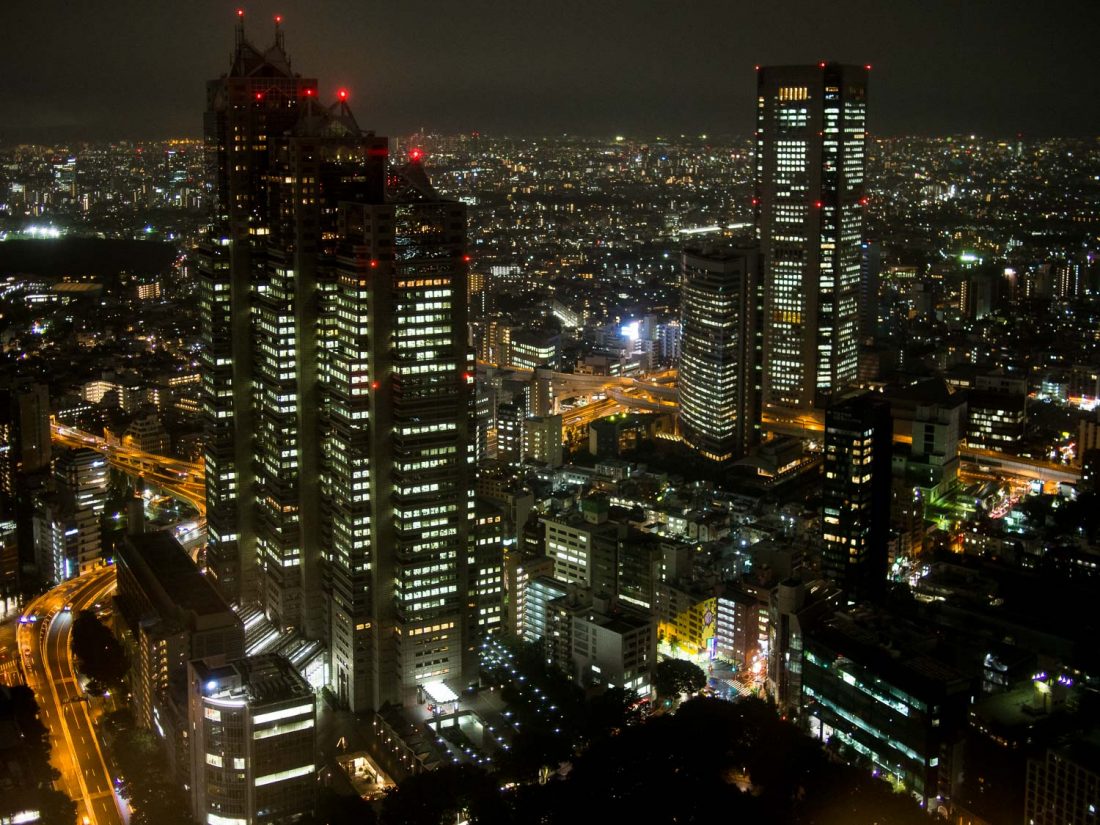
Vantage point of Shinjuku from the Tokyo Metropolitan Government Building
Shinjuku delivers the futuristic Tokyo people picture in their minds — a sci-fi skyline ablaze with neon signs, colossal office towers, massive electronics retailers, raucous gaming arcades, flashy pachinko halls, and packed rail terminals.
It blends commerce, retail, leisure, dining, and tranquil green spaces beautifully. The streets buzz with energy and simply strolling around feels thrilling — particularly on your inaugural trip when the reality of actually being in Tokyo still hasn't fully sunk in!
There's always loads happening, yet it never struck us as oppressively packed, and quieter lanes and gardens exist for a breather. Shinjuku holds the title of the world's busiest station, however, so steer clear during peak commuting times.
Gaming centres around Shinjuku Station
Omoide Yokocho
Omoide Yokocho alley
Among Shinjuku's many charms, what I treasure most is its fusion of cutting-edge and old-world Japan. Omoide Yokocho (Memory Lane) tops my list of beloved Tokyo streets, and despite sitting right beside Shinjuku Station beneath towering glowing billboards, wandering its cramped passageways feels like travelling back to the post-war era. It's perfect for picking up yakitori from one of the diminutive eateries that seat only a handful of patrons at the bar.
Outstanding and Diverse Cuisine
Fiery plant-based ramen from Ramen Ouka
Shinjuku ranks among the finest Tokyo destinations for food lovers. Even as vegetarians we enjoyed an enormous variety of options within a 15-minute stroll of our Airbnb, ranging from refined kaiseki establishments to casual vending-machine ramen shops. Every palate and wallet finds something appealing.
Below are our top dining picks in Shinjuku:
- Zen – Tasty okonomiyaki grilled before your eyes with both classic and contemporary takes, including meat-free choices.
- Shinjuku Gyoen Ramen Ouka – Halal and plant-based ramen selected via a vending machine — the fiery version is absolutely outstanding!
- Tsunahachi – Refined tempura without the steep cost. The lunch set offers the best value.
- Milk Land – A charming vegetarian café offering an excellent-value midday set.
- Curry House CoCo Ichibanya – The Omoide Yokocho branch of this curry chain serves a meat-free menu.
Check out my detailed guide to vegetarian eateries in Tokyo for further recommendations.
Attractions Within Walking Distance
The wild Robot Restaurant performance
Shinjuku offers plenty of attractions:
- Tokyo Metropolitan Government Building – Enjoy a complimentary panorama of the Tokyo skyline. Mornings may reveal Mt Fuji, while evenings showcase the illuminated metropolis.
- Shinjuku Gyoen National Garden – One of Tokyo's loveliest green spaces.
- Robot Restaurant – The most bonkers spectacle you'll encounter. See our full Robot Restaurant write-up.
- Yoyogi Park and Harajuku – A somewhat lengthy but enjoyable walk from Shinjuku.
Check my post covering exciting activities in Tokyo for additional ideas.
Excellent Transit Connections
Shinjuku offers superb connectivity for getting around the city. The rail lines we relied on most were the Yamanote line, which loops through numerous central districts, and the Chuo line, which runs to Tokyo Station (for shinkansen services) and onward to the Ghibli Museum.
Additionally, metro lines serve the area, the comfortable Narita Express provides direct airport access, and there's a direct route to Hakone (ideal for a day excursion to view Mount Fuji).
Golden Gai
The cramped lanes of Golden Gai (captured before the late-night crowds arrive).
For nightlife seekers, Shinjuku delivers plenty. The most character-filled bar-hopping spot is the distinctive Golden Gai, a web of skinny alleys hosting scores of miniature drinking establishments.
Retail Therapy
We aren't big shoppers, yet even we couldn't resist browsing Shinjuku's countless stores. Massive electronics outlets such as BIC Camera and Yodobashi stock an impressive array of computer and photography gear; department stores including Takashimaya and Isetan carry clothing, household goods, and spectacular food halls; and Uniqlo offers well-made basics at reasonable prices. Whether you seek high-end labels or bargain souvenirs, you'll find it.
Budget-Friendly Lodging
The biggest surprise about Shinjuku was how reasonably priced the lodging is, given that it's the top area to stay in Tokyo. Again, options span the spectrum from high-end hotels to wallet-friendly hostels, plus some of Japan's more unusual accommodation styles like love hotels, capsule hotels, and manga kissa.
Our Japan Accommodation Guide explains the full range of choices.
Picking a Spot in Shinjuku
When deciding where to stay in Shinjuku, remember the distinct sub-areas — west of the station is the commercial zone, east caters to retail and nightlife, and northeast houses the Kabukicho red-light district and Golden Gai for evening entertainment. This is Japan, so the red-light area doesn't feel threatening or particularly unsavoury, though we never visited late at night.
We stayed in eastern Shinjuku, near Shinjuku Gyoen National Garden, which suited us perfectly.
Airbnbs in Shinjuku
We discovered that Airbnb apartments in Tokyo offered better value and practicality than hotels. The most affordable are compact studios (space commands a premium in Tokyo) but come well-equipped.
We booked this Central Shinjuku apartment and found it had a small kitchen, washing machine, speedy WiFi, comfy seating, and a semi-double (quite firm) bed. The attentive owner gave thorough directions for locating the flat, which sits in a peaceful spot about 10 minutes on foot from Shinjuku Station and a short walk from two metro stops. Self-check-in was simple via key collection from the mailbox. The nightly rate came to roughly $100, inclusive of service and cleaning charges.
Hotels in Shinjuku
If a hotel suits you better in Shinjuku, these options seem ideal:
Luxury
- Hotel Park Hyatt Tokyo – With unlimited funds I'd stay here for plush rooms (from $500) and stunning city vistas. This is where Lost in Translation was shot and ranks among Tokyo's premier hotels.
Mid-Range
- Hotel Sunroute Plaza Shinjuku – A well-liked mid-range option right by the station with cosy rooms from $130.
- Citadines Shinjuku Tokyo – Sleek studio rooms with kitchenette, a 15-minute walk from the station, from $134.
Budget
- Imano Tokyo Hostel – Japanese-style double rooms with shared facilities from $74 and dorm beds from $30.
Search here for additional Shinjuku hotels.
Where to Stay in Tokyo: Other Areas to Consider
While I endorse Shinjuku as the top Tokyo base for most travellers, you might weigh one of these alternative neighbourhoods.
Broadly speaking, the western side of the city, including Shinjuku and Shibuya, buzzes with modern energy, while the eastern side feels calmer and more steeped in tradition.
This map displays the principal stations in the districts referenced below.
Shibuya
The bustling Shibuya Crossing
Similar to Shinjuku, Shibuya offers convenient lodging with solid transit and abundant activity. It's home to the renowned Shibuya Crossing and draws crowds for shopping and nightlife, particularly teens. Yoyogi Park and Harajuku, known for alternative fashion boutiques and youngsters in wild ensembles, are within walking distance.
We preferred Shinjuku over Shibuya as a base, however. The throngs felt intense, and despite staying in a tranquil pocket we had to traverse a packed street to reach the station. Lodging costs more and the food scene didn't impress us as much.
We stayed in an Airbnb studio a 10-minute walk from Shibuya Station. It was tiny and somewhat dim but well-appointed with a kitchen, washing machine, quick WiFi, table, sofa, and double bed. Self-check-in was straightforward.
Hotels in Shibuya tend to be pricey (even more so in Harajuku). Shibuya Hotel En offers compact rooms right in the thick of it from $125.
Search for Shibuya hotels here.
Asakusa
Sensoji Temple in Asakusa
If budget matters, consider Asakusa, a calmer, more heritage-rich neighbourhood on the city's eastern edge. It's home to the celebrated Sensoji temple and hosts many traditional eateries. It's slightly removed from the centre, so getting around takes longer, though transit links remain solid.
Asakusa offers good-value hostels such as K's House Hostel, with twin rooms and shared bathrooms from $65 and dorm beds from $20.
Search for Asakusa hotels here.
Tokyo Station
The chief perk of staying near Tokyo Station lies in the transport connections — you can navigate the city easily and catch shinkansen to destinations like Kyoto. The Imperial Palace and its grounds are nearby too. The downside is the relative lack of atmosphere and limited activities in this district.
The five-star Marunouchi Hotel ranks among the finest near Tokyo Station. It's just a short walk away and offers double rooms from $250.
Search for hotels near Tokyo Station here.
Off the Beaten Track
If you're willing to ride the train to reach the sights, you can save money, enjoy more room, escape the crowds, and soak up local life by basing yourself in a lesser-known neighbourhood. This approach works especially well for week-plus stays.
During our first week-long Tokyo visit, we lodged in a great-value apartment in Nishi Ogikubo. We adored the peaceful yet intriguing area with its antique shops, vintage clothing boutiques, and narrow lanes brimming with tiny eateries. It was only a 15-minute train ride from Shinjuku, though we did find the extra distance a bit tiresome.
Airbnb is an excellent resource for discovering apartments and private rooms in less-touristy areas.
Tokyo Tips
- Check out our article on 17 exciting activities in Tokyo.
- For dining suggestions, see our guide to the finest vegetarian restaurants in Tokyo.
- Reserve Tokyo accommodation well ahead if you're visiting during the late-March to mid-April cherry blossom period or the November autumn foliage season.
- Grab a Suica card for use across all trains and metro lines in Tokyo. It's far simpler than working out which ticket suits which line.
- Rely on Google Maps and Hyperdia to verify train schedules and distances and to gauge how close your lodging is to the spots you want to explore.
I'm firmly convinced Shinjuku is the top choice for Tokyo lodging, especially for newcomers, thanks to its affordability, accessibility, and wealth of attractions. But Tokyo is a magnificent city with excellent public transit, so I'm confident you'll enjoy a wonderful trip regardless of where you settle.
What's your preferred Tokyo neighbourhood for a stay? Drop a comment below.
If you found this post useful, pin it!