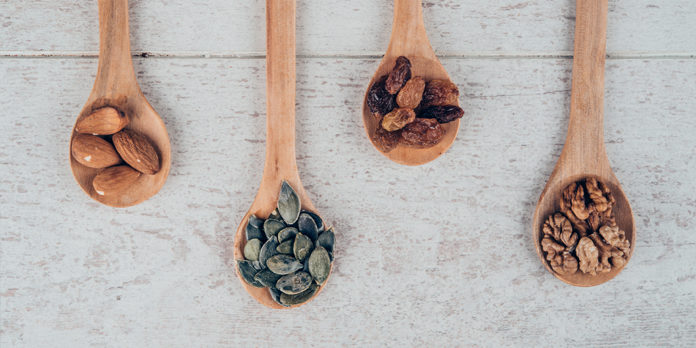
When your body is at rest, the correct nutrients can mend and fortify your muscles. If your fitness goals include losing weight and toning, here are seven essential vitamins and minerals. Muscles perform more efficiently and bounce back faster when they have ample nutrition and oxygen. While most eating plans provide sufficient vitamins and minerals, supplements may occasionally be necessary. However, excess can be detrimental. According to nutrition experts, these daily dosages offer a nutritional blueprint for muscle health.
Vitamin C
The National Institutes of Health suggests 75 mg per day, which can be obtained from one medium orange, half a red bell pepper, or a cup of strawberries.
Fish Oil
The American Heart Association advises consuming two 3.5-ounce portions of fatty fish weekly. Enthusiasts can enjoy salmon, albacore tuna, mackerel, herring, sardines, and lake trout. If fish isn't your preference, consider a daily supplement containing 1,000–3,000 mg of DHA and EPA. Vegetarians and vegans can source omega-3s from flax seeds, chia seeds, hemp seeds, walnuts, and algae-based supplements.
Calcium
To meet the daily recommended minimum of 1,200 mg, consume dairy products, green vegetables, or fortified non-dairy milk. For a supplement, opt for one providing 500–600 mg of calcium along with Vitamin D, which aids calcium absorption. Since the body can only absorb 500–600 mg of calcium at once, space out the doses by several hours.
Magnesium
The NIH suggests 310–320 mg daily, but raising your intake to 400 mg when weight training three or more times per week is safe. An Epsom salt bath offers a soothing method to absorb magnesium, while spinach, nuts, legumes, and whole grains provide tasty dietary sources.
B Vitamins
Most individuals get enough B vitamins from their diet, but vegetarians and vegans might need a B12 supplement since this vitamin is exclusive to animal products. Fortified foods and beverages also contain B12. B vitamin sources include whole grains, eggs, lean meats, legumes, nuts, leafy greens, and fortified cereals. Nutrition experts advise a daily intake of 2.4 micrograms (mcg).
Vitamin D
Sunlight provides Vitamin D, but excessive sun exposure raises skin cancer risk. If you're reducing sun time, take a daily supplement of 4,000–6,000 IU of D3. Suspecting a deficiency requiring higher doses? Consult your physician for a blood test to check your Vitamin D levels.
Vitamin E
Adhere to the suggested 15 mg daily and avoid excessive Vitamin E intake. Consuming over 300 mg per day can cause nausea, abdominal pain, weakness, or even fatality. Obtain Vitamin E from nuts and seeds rather than supplements.
youbeauty.com