You don't need a lab to explore science—just a sense of curiosity and some common household supplies! Doing simple experiments at home lets kids and families learn scientific principles through hands-on activities. These interactive projects foster curiosity, improve problem-solving abilities, and build a foundation for ongoing learning. The easy experiments make science approachable, enjoyable, and relevant, turning ordinary items into tools for discovery.
1. Homemade Volcano
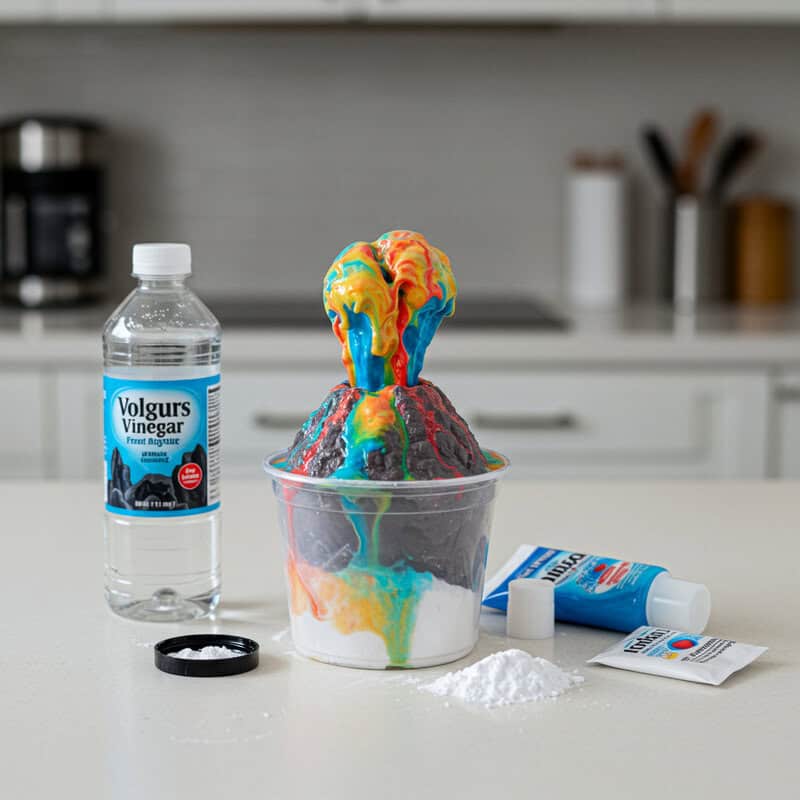
Making a homemade volcano is a classic science activity that showcases a fun chemical reaction between baking soda and vinegar. You'll need a container, baking soda, vinegar, dish soap, and food coloring for extra flair. When vinegar (an acid) combines with baking soda (a base), they produce carbon dioxide gas, creating a fizzy eruption. This safe reaction resembles real volcanic eruptions and can be compared to other kitchen reactions, such as lemon juice with baking soda. For detailed steps and learning tips, check out the Smithsonian's volcano model guide.
2. Invisible Ink Messages
Discover the secrets of hidden messages by making invisible ink from lemon juice! Simply dip a cotton swab in lemon juice and write on white paper. After it dries, gently warm the paper with a lamp or iron (adult supervision needed) to make the words appear.
This works because the acid in lemon juice oxidizes and turns brown when heated. Try comparing lemon juice with other household acids like vinegar or orange juice for different results. Learn more about the science behind invisible ink at Scientific American's invisible ink experiment.
3. Homemade Rainbow in a Glass
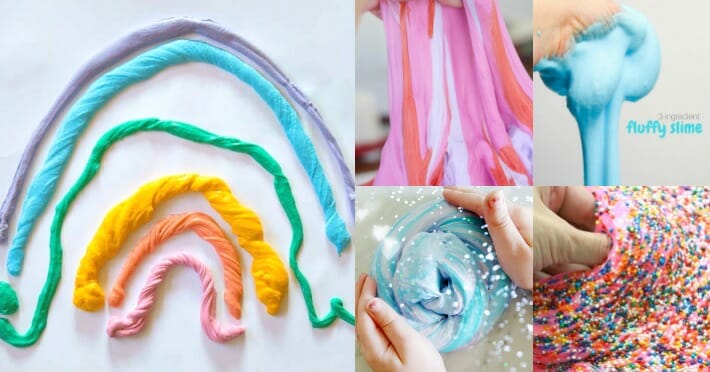
Create a liquid rainbow by carefully layering colored sugar water solutions of different densities in a glass. Dissolve varying amounts of sugar in water, tint each with food coloring, and slowly pour them in order from most to least dense.
The heavier, sugar-rich solutions stay at the bottom while lighter ones float above, forming bright stripes. This experiment shows how density affects how liquids interact, similar to classic oil-and-water separation projects. Explore more about density and try related activities with guidance from the Exploratorium's density activities.
4. DIY Lava Lamp
Make a mesmerizing lava lamp at home using water, oil, food coloring, and effervescent tablets (like Alka-Seltzer). Fill a clear container mostly with oil, add some water, and a few drops of food coloring. When you drop in the tablet, bubbles of colored water rise and fall through the oil, mimicking a commercial lava lamp.
This experiment demonstrates immiscibility (how oil and water don't mix) and buoyancy, as gas bubbles carry the colored water up before they burst and sink. For detailed instructions, visit the Science Buddies Lava Lamp Project.
5. Static Electricity Butterfly
Bring a tissue paper butterfly to life using static electricity! Cut a butterfly shape from tissue paper and place it on a flat surface. Inflate a balloon and rub it vigorously against your hair or a wool cloth to build up a static charge.
When you hold the charged balloon near the butterfly, it will flutter and move, thanks to electron transfer and friction. This experiment introduces the science of static electricity, much like the classic trick of making hair stand on end. Explore more with the PBS Kids Static Butterfly activity.
6. Homemade Water Filter
Build a simple water filter using a plastic bottle, sand, gravel, and activated charcoal. Cut the bottle in half and layer the materials inside, starting with charcoal, then sand, and finally gravel. Pour dirty water through the filter and observe how each layer removes different impurities.
This hands-on project illustrates the principles of mechanical and chemical filtration, similar to processes used in municipal water treatment plants. It's a practical way to understand how clean drinking water is produced. For further exploration, visit National Geographic Water Filtration.
7. Dancing Raisins
Watch raisins "dance" by dropping them into a glass of clear soda, such as club soda or lemon-lime soda. The carbon dioxide bubbles in the soda attach to the wrinkled surface of the raisins, increasing their buoyancy and causing them to float to the top.
When the bubbles pop, the raisins sink again, repeating the cycle. This experiment is a fun way to illustrate buoyancy and the effects of gas bubbles in liquids. Try testing other small objects to see if they'll dance too! Learn more at Scientific American's Dancing Raisins.
8. Walking Water
Explore capillary action by connecting cups of colored water with paper towels. Place paper towels so they bridge between cups, and watch as the water "walks" up and over into empty or differently colored cups, creating vibrant color mixing.
This process mimics how plants transport water from roots to leaves, moving liquid against gravity through tiny tubes. You can compare this with the celery-coloring experiment, where colored water moves through celery stalks. Both activities visually demonstrate water movement in nature. For a detailed guide and variations, visit STEAM Powered Family Walking Water.
9. Egg in a Bottle
Watch air pressure in action by placing a peeled, hard-boiled egg on the mouth of a glass bottle. Light a small piece of paper, drop it inside, and quickly set the egg on top. As the flame uses up the oxygen, the air pressure inside drops, and the higher outside pressure pushes the egg into the bottle.
This dramatic demonstration reveals the power of atmospheric pressure. It can be compared with the classic crushed can experiment, which also uses pressure differences to create surprising results. For full instructions, see the Exploratorium Egg in a Bottle guide.
10. Solar Oven S'mores
Create a simple solar oven using a pizza box, aluminum foil, plastic wrap, and black paper to harness the sun's energy and make delicious s'mores. By reflecting and absorbing sunlight, the oven heats up, melting chocolate and marshmallows without any electricity or fire.
This experiment teaches about solar energy, heat absorption, and the greenhouse effect in an engaging, tasty way. You can compare this method to other solar cookers, such as parabolic reflectors or solar panels. For step-by-step instructions, visit NASA's Solar Oven Activity.
Conclusion
Hands-on science activities ignite curiosity, enhance comprehension, and make learning enjoyable for everyone. Through experiments with everyday items, students build critical thinking and essential scientific skills that endure. Keep exploring by modifying these experiments or trying new ones—there's always more to learn! For ideas and additional support, visit resources such as Science Buddies and the Exploratorium. Stay curious and keep experimenting—science adventures are waiting all around your home!