Helping children grow into responsible individuals plays a key role in their future success and emotional well-being, though countless parents wrestle with keeping these lessons interesting. The good news is that weaving play into responsibility training turns the process into something children genuinely look forward to. Through games, hands-on activities, and creative exercises, kids effortlessly pick up essential abilities like managing their time, showing empathy, and owning their actions.
This resource uncovers entertaining techniques that equip children with real-world skills while keeping the experience lighthearted. Learn how ordinary daily interactions can cultivate dependable habits, lay the groundwork for self-sufficiency, and deepen connections within the family.
Turn Chores Into Playful Challenges
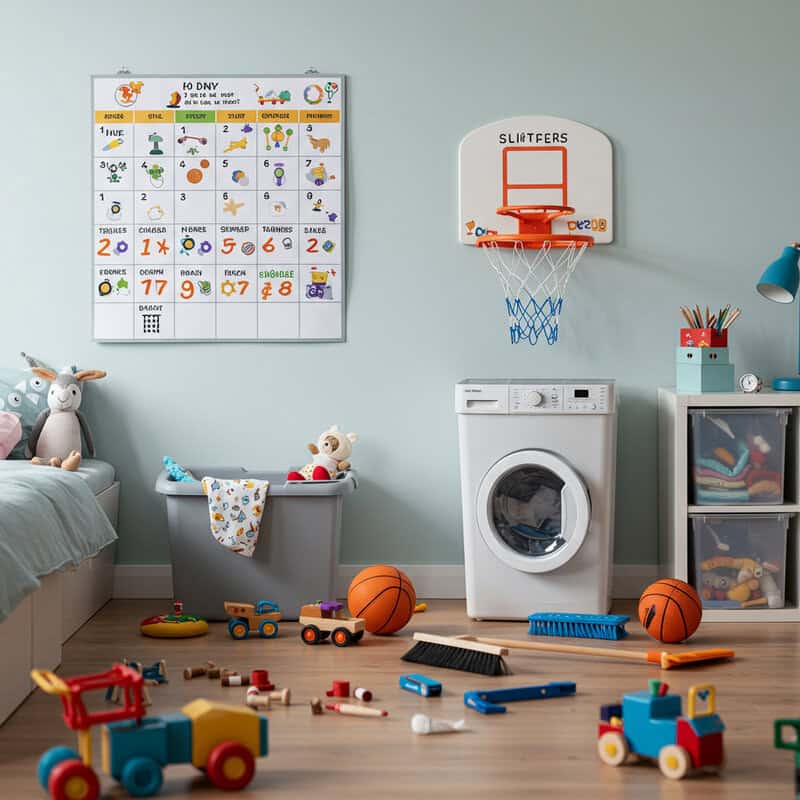
Children beam with excitement as they transform tidying into a playful competition, with a vibrant point tracker displayed on the wall. | Created by Google Gemini
Converting household tasks into entertaining contests can spark enthusiasm, encouraging children to pitch in happily while absorbing the value of accountability. Set a stopwatch and challenge them to a quick contest to see who can put their toys away fastest, or design a colorful chart where stickers mark each completed duty.
Group-oriented activities such as "laundry basketball" or "sweep and seek" foster teamwork and transform cleanup from a dreaded task into an enjoyable activity. By linking responsibility to happy memories, children develop a more positive outlook on their duties. For additional inventive ways to gamify household work, take a look at Parents.com's guide to making chores fun.
Apply Reward Systems Thoughtfully
Glowing children cluster around a vibrant star display, eagerly placing stickers to mark their classroom achievements. | Created by Google Gemini
A thoughtfully designed reward structure can inspire children to embrace responsibility, though it's vital to maintain equilibrium so they don't become reliant on outside incentives. Lean on encouragement methods like spoken compliments or additional bedtime stories to honor responsible decisions.
Introduce goal-oriented exercises, such as accumulating points for a memorable family excursion, to promote steady effort and internal drive. Prioritize internal satisfaction—the feeling of accomplishment—over tangible gifts. Such a strategy cultivates enduring behaviors and personal development. For further advice on crafting reward systems, see Verywell Family's guide to reward systems.
Support Independent Decision-Making
Two children settle at the kitchen table with their parents, carefully considering their choices during a spirited family conversation. | Created by Google Gemini
Granting children the freedom to make suitable decisions for their age strengthens their autonomy and deepens their grasp of how their actions shape outcomes. Invite them to select their clothing, pick between nutritious snacks, or weigh in on weekend plans. These engaging choices illustrate cause and effect, nurturing self-assurance and analytical thinking.
When young ones witness the results of their decisions—whether rewarding or disappointing—they absorb accountability lessons within a nurturing, secure setting. Spark open conversations about their choices to deepen the learning experience. For additional approaches to building decision-making abilities, refer to the Child Mind Institute's advice on decision-making.
Demonstrate Responsible Conduct
A dad guides his daughter through setting the dinner table, highlighting the value of family rituals and learning through example. | Created by Google Gemini
Kids pick up lessons by observing the grown-ups in their lives, so it's critical for parents and caregivers to model responsible behaviors day after day. Demonstrate reliability through honoring commitments, organizing your schedule well, and openly acknowledging errors.
Bring children into your everyday activities, including menu preparation or household budgeting, to showcase responsibility in practical contexts. Steady demonstration enables kids to absorb these patterns and appreciate their worth. Bear in mind that what you do often carries more weight than what you say. For more information on parental role modeling, consult Zero to Three's resource on role modeling.
Weave Responsibility Into Playtime
A group of children enthusiastically collaborates on imaginary pet care, tenderly tending to stuffed animals through cooperative play. | Created by Google Gemini
Blending responsibility with playtime allows life skills to be absorbed in an organic, engaging way. Draw children into role-playing scenarios such as managing a shop, playing chef, or looking after stuffed animals treated as "pets." Distribute responsibilities during collaborative board games or group activities that call for sharing, patience, and collective problem-solving.
These enjoyable activities instill organization, empathy, and accountability in a stress-free atmosphere. Tending to actual pets or houseplants can also nurture an ongoing sense of duty. For more creative play ideas that build responsibility, browse PBS Parents' guide to teaching responsibility through play.
Build Routines and Stay Consistent
A family clusters around a vibrant wall poster while the kids enthusiastically contribute to arranging their daily timetable. | Created by Google Gemini
Setting up dependable routines gives children a clear sense of what's expected while strengthening vital time management capabilities. Craft a day-by-day timetable incorporating chores, school assignments, leisure, and downtime, so duties blend seamlessly into their everyday life.
Stable expectations minimize uncertainty and give children a sense of security, helping them recall and tackle tasks on their own. Visual tools such as charts or checklists can solidify routines and highlight accomplishments. For more guidance on creating effective family rhythms, check out HealthyChildren.org's advice on routines.
Honor Progress and Growth
A joyful family stands around a vibrant progress tracker, celebrating and applauding one another's recent accomplishments. | Created by Google Gemini
Acknowledging children's responsible accomplishments is essential for boosting self-confidence and cementing positive behaviors. Mark milestones—whether large or modest—through specific compliments, showcasing their work, or hosting a family celebration.
Recognizing hard work and advancement encourages children to keep acting responsibly while making them feel appreciated. Small acts such as a high-five or a thoughtful note can leave a lasting impression. Ongoing support builds grit and a growth-oriented outlook, paving the way for lifelong achievement. For more perspectives on honoring children's development, refer to Care.com's guide to celebrating achievements.
Conclusion
Nurturing responsibility in children through playful routines, positive role modeling, and celebrating their progress. | Created by Google Gemini
Instilling responsibility in children doesn't have to be a tedious process—for parents or kids alike. By incorporating games, imaginative play, well-designed reward systems, and steady routines, the journey toward mastering these vital life skills becomes both enjoyable and unforgettable.
Demonstrating constructive habits and recognizing advancement further motivate children to take ownership of their actions with assurance. Keep in mind that each small effort contributes to shaping self-reliant, capable individuals. Remain patient, preserve the fun, and observe your child's sense of responsibility blossom. For more techniques and ideas, explore Positive Parenting Solutions.