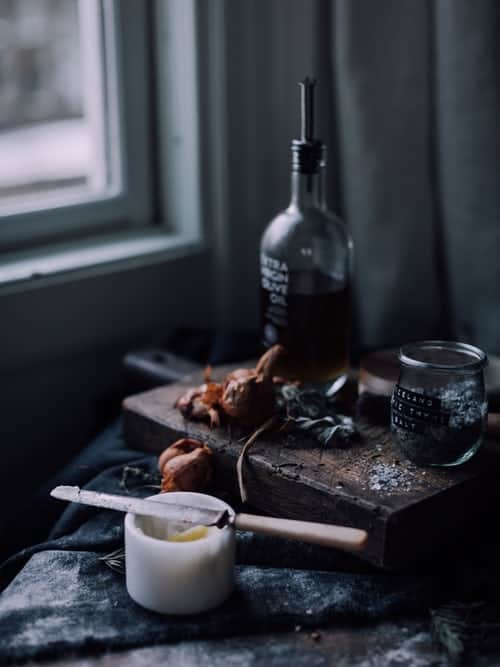
Much has been discussed about olive oil's advantages. Using it in cooking is safe, and it works well not just for dressings but also for high-heat food preparation. However, common mistakes in buying, applying, and storing olive oil can diminish its beneficial qualities. Here are the 5 most important olive oil don'ts when cooking.
What Olive Oil Dislikes
- Keeping it near the stoveMany cooks keep all oils within arm's reach of the stovetop for convenience. While handy, olive oil—like any oil—hates heat and needs a dark, cool spot. Constant warmth degrades its taste and can cause it to release harmful compounds.
- Using the wrong type for the jobExtra virgin olive oil shines in salads but fails in frying—high temperatures destroy its nutrients and create carcinogens. A better approach: grill your food first, then drizzle high-quality olive oil on top just before serving.
Every olive oil has a unique flavor profile depending on its origin and processing. What works for a salad might taste flat in a soup. Keep several bottles with different flavors on hand to add variety to your meals.
Common olive oil errors in the kitchen
READ: CAN OLIVE OIL REPLACE BUTTER? ANOTHER MYTH DEBUNKED
- Transparent bottlesOlive oil has two big enemies: oxygen and light. An opened bottle or clear glass container makes the oil oxidize, turning it harmful and altering its taste. That's why quality olive oil comes in dark bottles. Never transfer it to another container, no matter how pretty.
- Plastic containersPlastic bottles are shatterproof, lightweight, and often ergonomic—but they let the oil absorb toxic substances from the plastic. Moreover, any olive oil sold in plastic is almost certainly not pure or natural. Reputable producers always use dark glass.
- Using oil past its expiration dateOlive oil is expensive, so many people hesitate to toss it after the expiry date. Most don't even check the production date—a big mistake. The oil won't suddenly spoil, but its quality, taste, and composition degrade over time. Always check the production date when buying, and regularly review your pantry. It's better to discard old oil than risk your health.
Correct storage preserves olive oil's benefits
What Color Should Olive Oil Be?
Many debates focus on whether "correct" olive oil is light or dark. In truth, color depends on the variety, growing region, harvest time, and when the olives were picked. A high-quality oil can come in any shade.
Featured image credit: unsplash.com