by Isabelle Z.; Natural News
Do you recall Fukushima? For many of us living far from Japan, it's simply the location of a triple nuclear meltdown that occurred six years ago—ancient history, right?
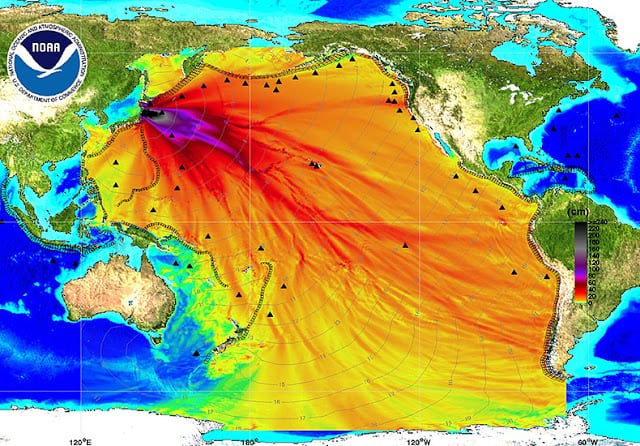
The reality is that the consequences of the disaster at the Fukushima Daiichi Nuclear Power Plant will affect every organism on Earth for decades to come, whether you reside next to the facility or are a fish swimming in an ocean thousands of miles away. The true magnitude of the harm from this catastrophic event remains largely misunderstood.
Radiation operates slowly but relentlessly, destroying everything it touches. The full reach of the damage only becomes clear over time. Just when most people begin to forget what happened, the effects of the planet's greatest industrial accident begin to surface.
The Japanese government has publicly stated that decommissioning could take roughly four decades and cost about $189 billion. But what remains unsaid is far more troubling. Strict national secrecy laws, political pressures, and powerful vested interests that wish to downplay the dangers of nuclear reactors have kept extensive information hidden. Those who "leak secrets" or "instigate leaks"—including civil servants and journalists—face up to ten years in prison under a 2013 government secrecy act enacted just two years after the incident.
In fact, even those on the ground are uncertain about what steps to take next, as there is no precedent for such a situation. Plant manager Shunji Uchida admitted: "Robots and cameras have already provided us with valuable pictures. But it is still unclear what is really going on inside." Beyond the damage already done, many factors could worsen the crisis. For instance, another earthquake could strike the area and trigger radiation explosions. Earthquakes are not unusual in Japan, which experiences an average of 1.5 quakes daily.
Kyoto University's Dr. Shuzo Takemoto commented on Reactor Number 2 at Fukushima: "If it should encounter a big earth tremor, it will be destroyed and scatter the remaining nuclear fuel and its debris, making the Tokyo metropolitan area uninhabitable. The Tokyo Olympics in 2020 will then be utterly out of the question."
Local sources indicate that deaths linked to the accident are rarely reported, especially because most victims die outside the workplace.
Lethal radiation levels still being detected
Reports are now surfacing that the Tokyo Electric Power Company, which operated the site and is responsible for cleanup, discovered lethal radiation levels in a leak last month. Experts say the volume of radiation involved could kill a person within just one hour of exposure, and there are fears it could trigger a global catastrophe if not handled properly. Concerns also exist that contaminated water will end up in the ocean, and inadequate waste storage could have far-reaching consequences.
A 2015 study found that children living near the plant when the disaster struck developed thyroid cancer at a rate 50 times higher than children in other areas, and these numbers are expected to rise over time.
Given such widespread damage and devastation, one would think nuclear power would lose popularity. However, efforts to conceal the extent of the damage appear to be succeeding: the global nuclear industry currently has more than 50 reactors under construction, many in Asia, with an additional 400 in the planning stages.
Sources: GlobalResearch.ca; Independent.co.uk; NaturalNews.com