by John Moody | Healthy Living
Dates rank among my most beloved fruits. Unfortunately, fresh dates are hard to come by in my region.
Regardless, dates — whether enjoyed fresh or dried — stand as a wonderfully tasty and nutrient-rich staple food with deep historical roots. They rank among humanity's earliest cultivated crops, with a cultivation history stretching back roughly six millennia! Beyond their culinary value, dates also possess significant therapeutic properties.
Dates: A Dual Role as Nourishment and Remedy
A scientific review featured in the International Journal of Clinical and Experimental Medicine offers this concise overview of dates' healing potential:
Date fruits exhibit antioxidant properties stemming from their diverse phenolic content, including p-coumaric acid, ferulic acid, sinapic acid, flavonoids, and procyanidins. Additional research has identified thirteen flavonoid glycosides — luteolin, quercetin, and apigenin — present at varying maturation stages. Ajwa dates, grown exclusively in Saudi Arabia's Al-Madinah Al-Munawara region, demonstrate notable medicinal worth across multiple conditions while also offering protective effects against liver toxicity. This review compiles dates' therapeutic applications across various illnesses via their antioxidant, anticancer, and antidiabetic characteristics. (1)
Yet why delay until sickness strikes to tap into dates' antioxidant richness? It's wiser to savor them now — as the signature fruit of the Arabian peninsula — both as a tasty treat and a wholesome natural sweetener!
What should consumers seek in date-based products such as date sugar? Do these preparations retain most of the goodness found in whole or dried dates?
Background and Production Methods of Date Sugar
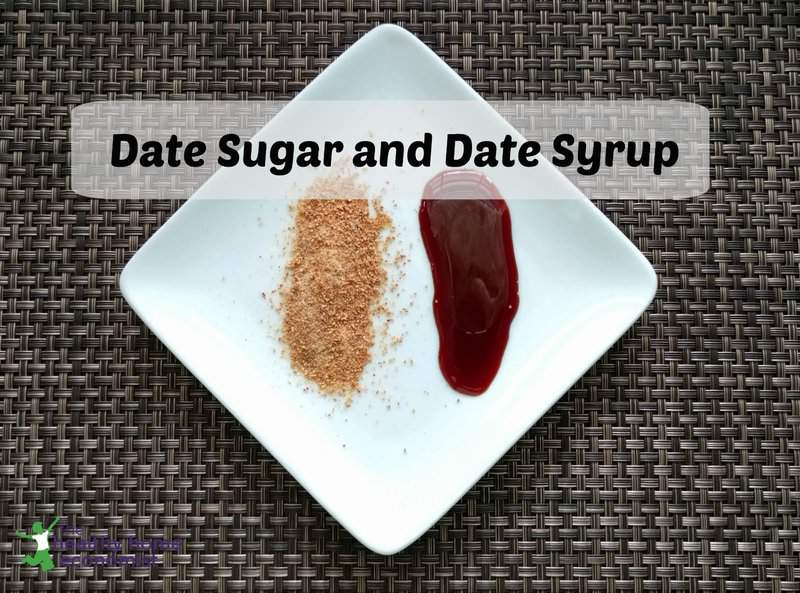
To begin with, what exactly is date sugar? A premium date sugar product should contain nothing more than dates that have been dried and pulverized! Consequently, it preserves nearly every advantage of whole dates, including their impressive nutrient composition. This represents one of those rare instances where a processed food likely merits the same accolades as its whole-food counterpart.
Top-tier date sugar consists solely of dates. Nothing else.
Dates, in both fresh and dried forms, are also a time-honored food with an extensive consumption legacy. As noted earlier, date cultivation spans at least six thousand years, alongside their preservation and processing traditions. Even now, numerous commercially available dried dates are produced via sun-drying — the identical technique employed for countless generations!
However, bear in mind that — mirroring cane sugar — various manufacturers produce, utilize, or distribute both refined and unrefined varieties. Refined date sugar lacks the nutritional and other merits of its whole counterpart. It may also contain remnants of bleaching chemicals and other harmful processing substances. Regrettably, ingredient labels on packaged and processed items won't disclose which type the producer employed.
Therefore, encountering "date sugar" on a processed product's ingredient list offers no assurance that whole date sugar was used. That said, if you obtain high-grade whole date sugar, you can integrate it into your cooking to craft more wholesome treats for your loved ones.
Crafting it yourself ensures top quality! No deceptive labeling or concealed hazards from manufacturing or packing!
Nutritional Content of Date Sugar
Date sugar, much like other unrefined traditional sweeteners including maple syrup and molasses, delivers a pleasing taste experience. Most date sugar varieties lend a subtle caramel note when incorporated into recipes.
Planning to bake with it? Date sugar substitutes for white sugar in equal measurements. Just keep in mind that it doesn't dissolve readily. Switching to date syrup solves this problem. Further details appear below.
Mineral Content
Furthermore, when measured against cane sugar, whole date sugar boasts a remarkable nutritional makeup. It serves as an abundant provider of potassium, fiber, iron, and magnesium. On top of that, dates supply numerous trace minerals including magnesium, selenium, and zinc!
Keep this tidbit handy for the next time leg cramps or muscle spasms strike. Dates actually contain more potassium per ounce than bananas!
Vitamin Composition
Regarding vitamins, dates provide solid amounts of niacin (vitamin B3) and pyridoxine (vitamin B6). Sufficient B6 intake is notoriously hard to achieve in today's processed-food-heavy diet, since heat destroys it.
Most importantly, dehydrated dates — the most readily available form in stores — don't lose much of their nutritional worth. Date sugar, essentially dehydrated dates in granulated form, delivers identical mineral advantages. That said, dehydration might result in minor reductions of niacin and B6. (2)
Fiber Content and Glycemic Impact
Whole date sugar preserves its fiber, which moderates sugar absorption — a particular boon for those managing blood sugar concerns. In fact, this trait is fairly distinctive! It produces a significantly lower glycemic index than many other natural sweeteners, landing at roughly 45-50. (3)
Additionally, most of the compounds celebrated in research for giving whole dates their therapeutic value persist through the drying process. The primary worry involves gradual degradation of these compounds due to aging and contact with oxygen, light, and heat during shipping. I couldn't locate any studies evaluating how well these elements survive from harvest to consumption in store-bought dried dates, though I suspect and hope at least some remain.
How Date Sugar Measures Up Against Other Sweeteners
Among sweeteners, date sugar competes head-to-head with honey and maple syrup in terms of nutrient density. It also scores exceptionally high for antioxidant capacity. One recent study ranked it second only to molasses across all sweeteners tested. (4)
Date Sugar's Compatibility with GAPS Diets
Those following a gut-healing dietary protocol can use very few whole sweeteners, with coconut sugar and maple syrup among the excluded options. The reason lies in their disaccharide (double sugar) content. These compounds are off-limits during the gut-lining repair phase needed to address autoimmune conditions.
Substitute sweeteners such as xylitol, erythritol, and products containing them (including Swerve) are likewise prohibited. This restriction stems from their potential to disrupt the conditions needed for healthy gut flora.
Honey and fruit are explicitly permitted under gut-healing protocols. Since date sugar and date syrup derive exclusively from fruit, they are allowed too.
Since honey ideally shouldn't be cooked or heated, having date sugar available as a sweetening choice enables the occasional healthy dessert while addressing gut problems. Gut healing typically requires 3 years before food reintroduction can begin, so this option boosts both dietary adherence and long-term success.
Date Syrup Stacks Up Well Against Raw Honey
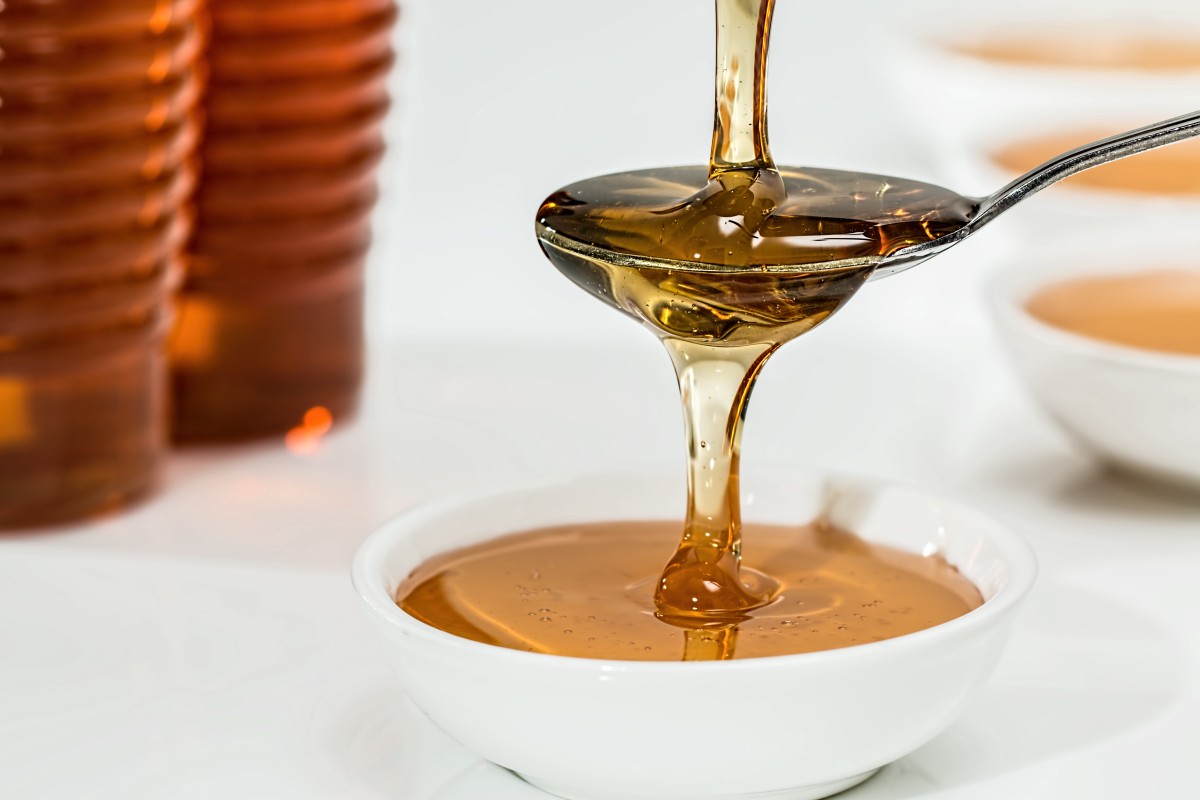
Findings unveiled at the 2015 Society for General Microbiology's Annual Conference in the UK indicated that date syrup's antibacterial qualities match those of raw manuka honey! (5)
Hajer Taleb, a graduate researcher at Cardiff Metropolitan University in the UK, identified this effect by applying date syrup to bacterial colonies cultivated in petri dishes.
Several phenolic compounds that develop naturally as dates ripen are recognized for their antioxidant capacity. They also exhibit antibacterial properties. When date syrup was combined with various pathogenic bacteria, it halted their growth within roughly 6 hours! The bacteria tested included Staphylococcus aureus, Escherichia coli, Enterococcus spp., and Pseudomonas aeruginosa.
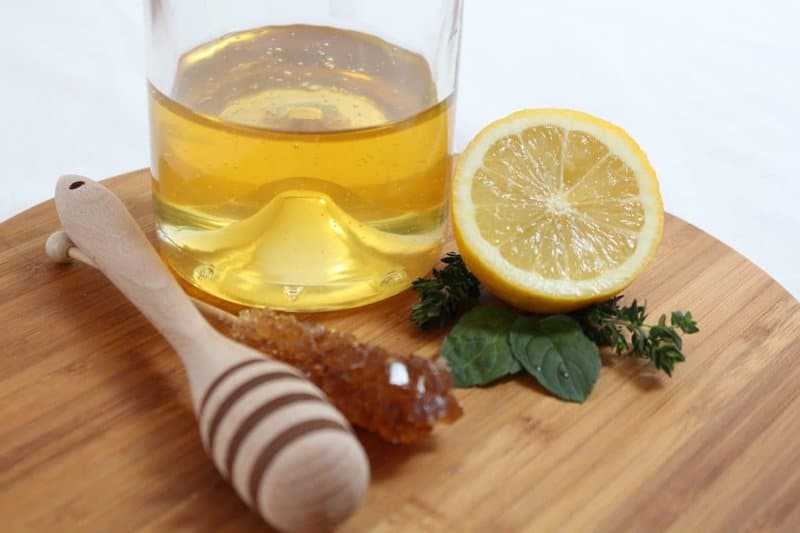
Should you abandon raw honey in favor of date syrup? Absolutely not. Just recognize that date syrup serves as an excellent healthy sweetener option for avoiding the use of heated honey.
Date syrup is likewise safe for infants under one year old, for whom raw honey is off-limits. So date syrup would be the ideal honey substitute in homemade elderberry syrup formulations intended for very young children, for instance.
Limitations of Date Sugar
So what's the takeaway from examining dates, sugar, and syrup? Even some conventional physicians rank date sugar at the top! (6)
I might nitpick slightly here, since I believe raw honey, jaggery, maple syrup, and certain other sweeteners can challenge dates' supremacy. Still, at day's end, you can confidently embrace dates in any quantity!
However, it does carry some practical limitations.
One factor restricting date sugar's use in contemporary food production stems from its inherent characteristics. As previously noted, it resists dissolving in foods and beverages. It also fails to melt the way other granulated sweeteners do.
This also creates challenges in baking, since it maintains a crystalline form even after being heated. The outcome is some extra texture in the finished product. For puddings and other recipes calling for smoothness, this becomes problematic.
These drawbacks are easily addressed by switching to date syrup rather than the granulated form. Date syrup mixes seamlessly into any recipe and works as a GAPS-compatible alternative to any disaccharide-containing sweetener banned on gut-healing diets. Moreover, it can be heated without concern, unlike raw honey which should never be cooked. Therefore, simply swapping in date syrup for honey in any dessert recipe offers a far healthier approach.
Cost Considerations for Date Sugar
Date sugar carries a higher price tag than brown and white sugar. It costs approximately ten dollars per pound whether you buy date syrup or the granulated form. Considering its obvious nutritional edge combined with the small quantities typically needed by an average family, the cost proves worthwhile.
This brand stands out as the finest organic date syrup available today. Sarah adds a squeeze to her morning kefir smoothie regularly!
Yet unlike many traditional sweeteners that demand considerable expense and effort to produce at home (such as maple syrup and honey!), date sugar can be made by anyone in their own kitchen. So ultimately, date sugar's limitations are eclipsed by its overall excellence.
DIY Date Sugar
With the right equipment, producing your own date sugar yields significant food budget savings. And the equipment requirements are minimal!
The procedure is straightforward, as the basic recipe below demonstrates. Make sure to purchase deglet noor dates exclusively! Note that medjool dates are the variety most commonly found at health food stores. This type is far too moist for home date sugar production.
Why deglet noor specifically? For date sugar, you need dates that are EXTREMELY DRY. The drier, the better. This variety consistently proves to be the driest I've encountered. Buying a moist variety and then drying them out is wasteful — you'd be paying for water you then need to evaporate. Moist dates also tend to gum up food processing equipment, complicating the date sugar production process.
DIY Date Sugar Recipe
A recipe for homemade date sugar — a classic sweetener crafted from dried dates that delivers abundant minerals, B vitamins, and even possesses antibacterial qualities rivaling manuka honey, per recent studies.
- 1 to 1.5 cups dried dates (deglet noor only, pitted, organic preferred)
- Place the dates into a food processor or comparable appliance.
- Pulse the machine until the dates are completely pulverized. Your homemade organic date sugar is now ready.
- Keep the date sugar in an airtight container in a cool, dark location to prevent moisture reabsorption and quality deterioration.
Have you tried the wonderful simplicity of date sugar or date syrup yet? What ways have you incorporated them into your cooking?
John Moody serves as director of Steader, and works as an author, speaker, farmer, homesteader, and Real Food advocate. Above all, he's a devoted husband to a wonderful wife and proud father to five fantastic children. John delivers talks across the country at diverse venues, contributes to multiple publications, and consults with farmers, homesteaders, and food enterprises. He has two books in the pipeline.