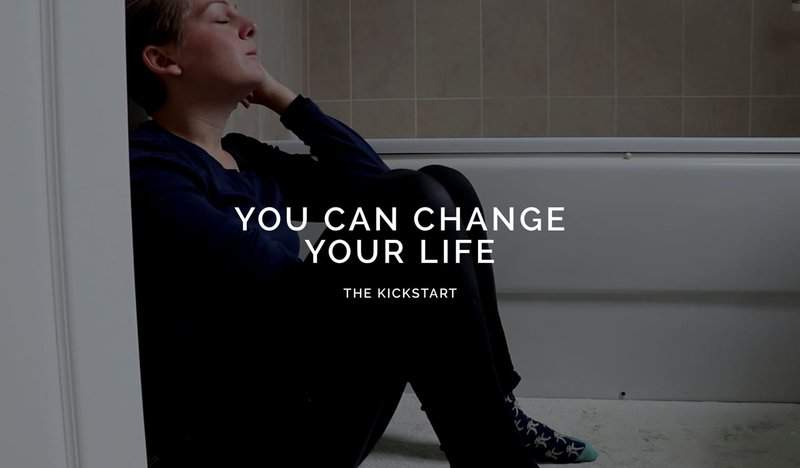
When I begin dating someone new, I often initiate what I call the Baggage Game. Inspired by the delightfully cheesy Game Show Network program Baggage—hosted by Jerry Springer, which says a lot—it works like this: Each person reveals a small, medium, and large piece of emotional "baggage" they'd bring into the relationship. After this exchange, both decide whether they can accept the other's issues and move forward accordingly.
Advertisement – Continue Reading Below
This game introduces a playful yet awkward level of intimacy that's rare when getting to know someone fresh. It also uncovers plenty of useful information upfront. There's the actual baggage, of course. But beyond that, you learn about your partner's self-awareness, their readiness to own their past, and their sense of humor—or lack thereof—around tough subjects. It's not a dating strategy that works for everyone. But it suits me, as a woman who prefers to date straightforward individuals who aren't easily rattled.
I have many quirks that are simpler to reveal early on. My baggage, in order, includes: struggles with disordered eating, genital herpes, and a history of multiple toxic, emotionally abusive relationships. These aspects of my life are worth leading with because they quickly become relevant in a new relationship—they influence where I can dine, how we approach intimacy, and my unease when discussing fraternities. If any of these is a deal-breaker for someone new, I'm happy to walk away. Anyone who can't handle my baggage isn't worth my time or energy.
Advertisement – Continue Reading Below
During my most recent round of the Baggage Game, I hadn't been in a serious relationship for nearly four years. Ever the environmentalist, I spent my post-college years recycling men I'd already dated in school. As I grew close to a stranger from a dating app, I was surprised to realize that my heaviest baggage wasn't even on my standard list. After all, it's quite mundane and non-political: My parents recently divorced, and it saddens me in a way I can't easily articulate to myself or others. And what's more, I'm not always sure I want to.
So, how many intimate details about yourself do you owe the person you're dating? I think we can all agree we owe partners relevant medical information and accurate details about our current relationship status. Yet, despite any unhealthy behavior we might observe around us or hear about in pop culture, we don't owe anyone minute-by-minute updates on our whereabouts or a list of every person of the opposite sex we've interacted with.
But do we owe our partners extensive accounts of our flaws and the backstory of how we became that way? What about updates on exes we're still friendly with, or the context of breakups that chipped away at our souls? Do we owe them our nightmares, our daydreams, or our anxiety spirals? Do we owe them our family dysfunctions or deepest regrets?
Advertisement – Continue Reading Below
Headlines in the #MeToo era raised an even more pressing question for me: Do we owe partners our stories of assault, harassment, and abuse? Do they need to know what we survived and how many times? What about the mental health conditions we live with as a result of trauma, or where our aversion to a certain cologne comes from, or why we'd rather avoid seeing I, Tonya on a date? The right time to tell someone you're seeing that you've been raped, molested, or coerced has always been an uncomfortable puzzle. Is that a third-date conversation? Is it truly any of their business?
Every one of my friends has experienced something on the gendered violence spectrum—from the compulsive liar who gave us herpes to the friend who pinned us down and assaulted us at a high school party. And we've all seen the same shocked expression on a potential partner's face when we mention that we're the one in six who was raped, the one in three who was hurt, the one in two who was emotionally abused. There's a strange mental calculation we have to make in that moment: not only "Should I tell them?" but "How much should I tell them?" and "How over it should I pretend to be?"
And perhaps the hardest question of all is: "How likely am I to ever see this person again after I bring this up?"
Advertisement – Continue Reading Below
I try to share my experiences with emotional abuse early in a relationship for the simple reason that if I don't, it'll surface beyond my control. I overreact to text messages I misread as insulting and feel triggered by playful commands during sex. Years of practice have made it easier to talk about my ex and how our brief, turbulent relationship shaped my ability to trust and my aversion to compliments.
But I've been thrown by the discussions about Aziz Ansari and James Franco in a way I thought I'd moved past. Like many women and non-binary folks, the news has stirred up memories I worked hard to forget, or changed my understanding of bad dates that now feel predatory in hindsight. When your partner reads the day's news over breakfast and wants to discuss the nuances of gender politics, should they know they're not just talking about the latest vilified celebrity, but also about the man who raped your friend on her birthday and the man who threatened to kill you if you ever wrote about him?
Some baggage doesn't fit neatly in the overhead compartment.
When men have deep, dark secrets, we're conditioned to view them as romantic—rewarding fixer-uppers or wounded bad boys to soothe. But less masculine baggage is less acceptable: Men with mental illness aren't "sexy" unless they're also geniuses. Men who are survivors of rape or abuse are largely overlooked. And heaven forbid you're someone grappling with your sexual identity in a culture where being bisexual or genderqueer is still considered baggage rather than a normal aspect of life.
There are even fewer heroic narratives for women with baggage. We have daddy issues, we're crazy ex-girlfriends, we're broken toys or pathetic virgins, or a dozen other labels that translate to "not worth the effort." We are unacceptable. We are just too much.
In the moment you share your true self with someone who matters, you also pose an unspoken follow-up question: Can you love me anyway? No relationship is possible without that brave, gut-wrenching moment when you wait for their answer. There's no shortcut, and no guarantee. But the relief you feel when that silence ends makes your baggage feel just a bit lighter.
I'm still undecided on how much of our inner lives we owe our partners. But I know that a functional relationship is difficult without offering some understanding of who we truly are. My partner and I would be doomed if I didn't confide the contents of the extra-large suitcase at the back of my closet: that I'm not entirely sure what a healthy, communicative relationship looks like, and that expressing affection can feel like speaking a foreign language. I told him this not because he had a right to know, but because he needed to. In the end, it matters less what we owe our partners and more what we want to give them of ourselves.