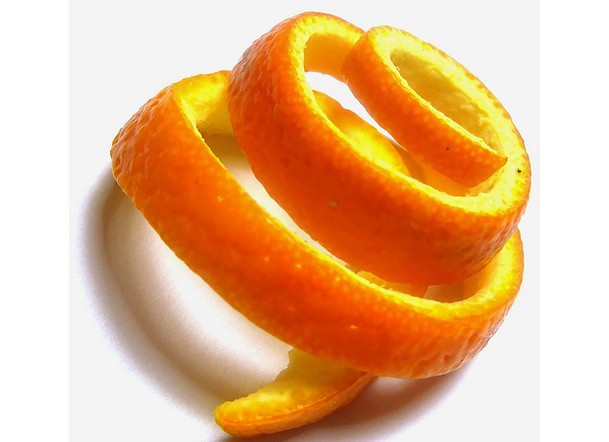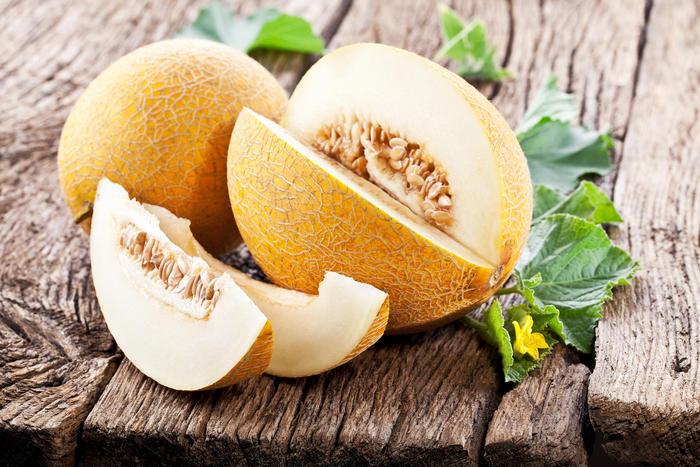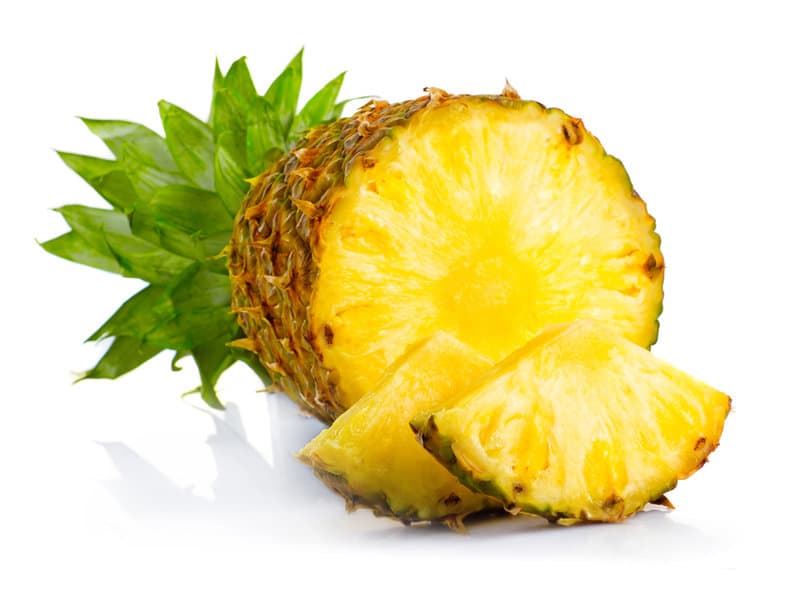
Across China, sweet caramel-coated fruit appears on restaurant menus and at busy street stalls alike, where it functions as a quick snack for passersby. Vendors typically favor apples and mandarins for their grab-and-go appeal, while sit-down establishments lean toward tropical options like pineapple wedges, bananas, pears, or melons alongside more unusual varieties.
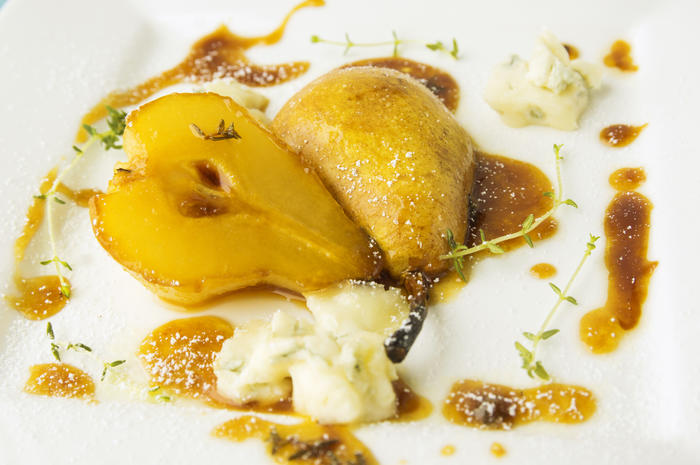
This recipe welcomes nearly any fruit you prefer. Below, we'll walk through preparing a stunning pear dessert draped in golden caramel.
Caramel-Glazed Pears: An Elegant Chinese Dessert
What You'll Need
- Pears – 500 g
- Sugar – 200 g
- Heavy cream – 300 ml
- Butter – 20 g
- Cardamom – 1 g
- Sea salt, to taste
Step-by-Step Preparation
- Place the sugar into a heavy-bottomed pan and set it over gentle heat. Swirl the pan lightly now and then — pressing the spoon against the sugar can cause the caramel to form lumps.
- Once the sugar starts to bubble at the edges, slowly stream in the cream. The mixture will foam up dramatically. Whisk steadily until the cream fully blends with the liquefied sugar.
- Drop in the butter and continue cooking with constant stirring. After just a couple of minutes, your caramel will achieve a silky, uniform texture.
- Sprinkle in the cardamom and a pinch of salt, stir thoroughly, then remove from heat and allow the sauce to settle and thicken.
- Rinse the pears and pat them completely dry with a kitchen towel. Keep the stems attached but hollow out the centers and remove the seeds — a coring tool, metal straw, or paring knife all work well.
- Grip each pear by its stem and dip it slowly into the warm caramel, making sure the entire surface gets coated. Repeating the dip a few times builds up a thicker, sweeter shell.
- Transfer the coated pears onto a wire rack and let them rest until the coating sets. Slipping a tray underneath catches any drips, which can be saved and reused. Finish with a light scatter of flaky sea salt if desired.
- Your dessert is ready to plate the moment the caramel layer firms up and reaches room temperature.
READ Why Pineapple Deserves a Spot in Your Diet and Tasty Ways to Prepare It
Enjoy every bite!
Fruits In Caramel Recipe. Cooking a Chinese delicacy!
Follow "GoSeekNest" on "Pinterest" and "Instagram"!