Article by John Moody | Published January 29, 2018 | Contains affiliate links | Healthy Living
Despite its remarkable potency, glutathione remains largely overlooked in discussions of human health. This is unexpected, considering that many nutrition specialists—spanning mainstream and holistic perspectives—advocate for its critical role in preventing and treating chronic illnesses.
Chris Masterjohn PhD, a respected voice in the traditional foods sphere, has consistently highlighted glutathione's importance, noting that despite its low profile, it supports nearly every facet of human health. (1)
So why all the fuss over this relatively obscure antioxidant? What makes glutathione—often called 'the mother of all antioxidants' or 'the master antioxidant'—so exceptional? How does it surpass other antioxidants? And how can we increase our intake through food or supplements? Are there any drawbacks or side effects to boosting levels for better health?
Let's take a deep dive into this vital antioxidant, whose deficiency can be life-threatening.
Understanding Glutathione
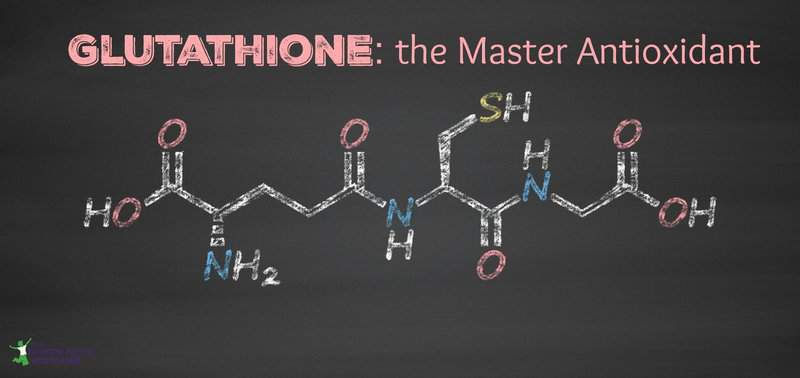
Glutathione (GSH) is a crucial antioxidant present throughout the plant and animal worlds. Similar to other antioxidants, it works to prevent and mend cellular harm caused by free radicals. Moreover, it shields critical cellular structures that are susceptible to damage from oxidized fats and toxic heavy metals.
Structurally, GSH is a tripeptide. Peptides are chains of amino acids—the fundamental units of protein. In particular, GSH is formed by unconventional peptide linkages among glutamic acid, cysteine, and glycine (the latter two are abundant in homemade bone broth).
What sets GSH apart is its essential function in defending the body against numerous harmful agents that can severely damage tissues. Individuals with chronic conditions like AIDS, advanced diabetes, and cancer often exhibit markedly low GSH levels, underscoring its significance in human health and driving ongoing research. (2)
The Reduced Form
You may encounter the term 'reduced glutathione' in academic papers or on supplement packaging. Despite what the name suggests—lower levels or weaker potency—this is misleading. In fact, 'reduced' glutathione represents the optimal form: stable, potent, and readily absorbed.
Hepatic Glutathione Production
Although many foods provide glutathione (discussed later), a key and often neglected source is the liver itself. This essential organ can synthesize glutathione in large quantities, as it is critical for effective detoxification. The liver also recycles GSH for future use. Therefore, maintaining healthy liver function is vital for sustaining glutathione levels. Coffee enemas can boost liver GSH production by up to 700%, making them a common rapid detoxification method in certain holistic cancer therapies.
Advantages of Glutathione
Chris Masterjohn highlights additional advantages of GSH:
It aids cell growth, multiplication, and repair, thereby supporting childhood development, post-injury recovery, and fitness gains from exercise. In the respiratory system, it maintains mucus fluidity to prevent congestion and dilates airways to ward off asthma. (3)
Extensive research backs these impressive claims, confirming that GSH's benefits are well-established in science, not merely hypothetical.
When Glutathione Runs Low
Numerous factors can make increasing glutathione intake through diet or supplements beneficial.
Lifestyle Factors
Many diseases and conditions drain glutathione reserves and impair recycling. Chronic stress has the same effect. Infections and illnesses further elevate the demand for GSH. Unsurprisingly, smoking and heavy alcohol intake lower GSH levels. Digestive issues can also contribute to deficiency, as poor digestion hinders the body's ability to fully utilize nutrients.
Additional Contributors
Certain genetic conditions heighten the body's glutathione requirements or hinder the liver's synthesis and recycling abilities. Some medications can also deplete GSH or interfere with absorption. Notably, oral contraceptives (OCPs) appear to either boost or reduce glutathione levels; researchers suspect this is due to free radicals generated during Pill metabolism, which activate antioxidant enzymes. (4)
Exposure to toxins—such as mold, fungal infections, or systemic candida—increases the physiological need for GSH. Aging naturally lowers levels. Additionally, carbohydrate-restricted diets (e.g., Paleo or Keto, especially long-term) can diminish glutathione levels and impair recycling—an often overlooked concern.
In short, many factors can necessitate increased dietary or supplemental glutathione to support optimal absorption, metabolism, and recycling.
Supplementing with Glutathione
Great news! Glutathione supplementation appears safe, with no known downsides beyond cost. It also seems to have no contraindications or drug interactions. However, if you have a chronic condition or take medications, consult your doctor before starting GSH supplements. (5)
Supplementation doesn't have to be permanent. Begin with regular doses; if your health improves as levels rise, gradually reduce. Once GSH levels are restored, you can taper down to a maintenance level while benefits persist.
Testing GSH levels is an option, though the tests are costly. For more details on testing, see this article.
Oral Glutathione: Is It Absorbed?
Opinions differ, but current evidence suggests that oral glutathione is indeed absorbed. Although some forms are poorly absorbed, higher-quality supplements with better absorption are worth the extra cost, especially if you have digestive issues that hinder nutrient uptake.
Chris Masterjohn's perspective on oral GSH:
Research has demonstrated that oral glutathione is absorbed intact in lab animals and crosses human intestinal cells without breakdown. Scientists have pinpointed some of the transporters responsible and have confirmed that oral glutathione raises glutathione levels in both animals and humans. (6)
Boosting Dietary Glutathione
Whole foods rich in protein, like meat, are top sources of glutathione. Among plants, buckwheat and quinoa are notable. However, there are important considerations. Canning destroys glutathione entirely in produce. Even ordinary cooking reduces it significantly, with studies reporting losses of 30–60%. (7) Cooking method and duration also matter: longer and hotter cooking leads to greater glutathione loss.
Pressure Cooking Considerations
As an avid Insta-Pot user, I'm curious about pressure cooking's effect on glutathione. At present, no reliable data exists. My guess is that vegetables and fruits in an Insta-Pot might lose all their glutathione, while meats may retain levels comparable to other cooking methods due to shorter cooking times despite higher pressure. However, this is speculation based on existing research.
Juicing, Fermentation, and Other Processing Methods
Processing methods such as juicing drastically lower GSH in fruits and vegetables—surprising given that juice is raw and cold-pressed. Blanching and freezing also reduce GSH. (8) Therefore, consuming fresh, unprocessed raw produce in its whole form is key for adequate dietary GSH. Fermentation, however, seems to preserve or even boost glutathione in some cases.
Cooking meat has only a moderate effect on GSH levels, so raw meat isn't as necessary as raw produce. Freezing appears not to harm GSH in meat as it does in plants. (9)
Maintaining Optimal Glutathione Levels
Various dietary compounds and supplements can assist glutathione metabolism, recycling, and overall levels. N-acetylcysteine (NAC) and alpha-lipoic acid (ALA—distinct from alpha-linolenic acid) both help regenerate glutathione. NAC, an amino acid, is frequently used to treat acetaminophen (Tylenol) overdose, a form of potentially fatal liver poisoning that depletes glutathione to dangerous lows. It also disrupts pathogenic biofilms in individuals with gut dysbiosis. Research suggests that certain foods, like turmeric (due to curcumin), promote glutathione synthesis. (10)
Glutathione Depleters
Sadly, even as we obtain glutathione from diet and supplements, we may also ingest or engage in activities that strip it away. These are known as glutathione-reactive substances. A poor diet high in processed foods, which ramps up free radical production, certainly depletes GSH. Yet many other lifestyle factors also compromise optimal levels, such as: (6)
- Excessive intense exercise, like marathon training or racing.
- Light pollution (near-infrared saunas, offering heat and light therapy, can help counteract these unavoidable effects).
- Acetaminophen (Tylenol) and other pharmaceuticals, including birth control pills.
- Acetone, solvents, paint removers (nail polish and nail polish remover!).
- Heavy metals such as aluminum, lead, and mercury (dental amalgams, vaccines, tattoos, etc.).
- Pesticides, herbicides, and exposure via heavily sprayed non-organic foods.
- Nitrates and other chemical food preservatives (found in salami, hot dogs, ham, bologna, smoked foods, etc.).
- Artificial sweeteners like aspartame (Nutrasweet).
- Synthetic food dyes.
- Benzopyrenes (tobacco smoke, BBQ foods, fuel exhaust, etc.).
- Alcohol.
- Household chemicals (synthetically scented and colored detergents, fabric softeners, air fresheners, mothballs, mildew removers, cleaners, bleach, lawn and plant fertilizers, etc.).
- Houseware chemicals (non-stick pan coatings, plastic containers, tin can linings, other food packaging).
- Formaldehyde and styrene (photocopiers and toner printers).
- Chlorine in unfiltered municipal water and swimming pools.
- Medical and dental X-rays.
- Excessive UV radiation.
- Electromagnetic fields (EMFs).
- Industrial pollutants.
Suggested Glutathione Supplements
Based on my review of various articles and studies, if you decide to supplement, I recommend Jarrow brand. Some individuals may benefit from a high-quality sublingual GSH supplement, though these are much costlier despite superior absorption. For those with digestive problems hindering absorption, sublingual may be the optimal option.
John Moody serves as director of Steader, and is an author, speaker, farmer, homesteader, and Real Food advocate. Above all, he is a husband to a wonderful wife and father to five terrific children. He delivers talks nationwide at diverse events, contributes to many publications, and consults for farmers, homesteaders, and food enterprises. Two of his books are forthcoming.