by Paul A Philips; New Paradigm
Never before has human genetic engineering been attempted in Europe, thanks to the newly sanctioned CRISPR gene-editing tool. The initial target is beta-thalassaemia, a serious blood condition that diminishes haemoglobin synthesis. Haemoglobin, the iron-rich protein in red blood cells, transports oxygen throughout the body's tissues. Consequently, conventional medicine is stepping into unexplored ground by modifying the human genome.
A compelling piece by Jon Rappoport highlights the severe risks tied to genetic engineering through CRISPR. Although tools like CRISPR-Cas9 offer greater efficiency, precision, and affordability than previous methods, numerous biotechnologists and researchers are embracing the technology without adequately considering its hazards. Computational models continue to miss hundreds of mutations triggered by altering a single nucleotide…
Resist the slick public-relations spin and manufactured confidence claiming biotechnologists and researchers will eradicate illness through genetic engineering. Curing multiple diseases across large patient populations remains far from reality. At present, these biotechnologists and researchers can offer nothing more than conjecture.
State-Mandated Genetic Engineering and Designer Infants
Under existing law, genetic-engineering research was confined to flora and fauna. Subsequently, in early 2017, the National Academy of Sciences and Medicine permitted gene editing of human germline cells—including sperm, eggs, and embryos—to eradicate inherited conditions. Activities beyond this narrow scope were forbidden.
- Use of the technology has been restricted to IVF (in-vitro fertilization) procedures.
- In summary, the once-fantastical notion of government-mandated genetic engineering and designer babies within an era of transgenic humans can no longer be dismissed as mere science fiction.
The following may never come to pass, yet let us pause and speculate: Sometime ahead, still within the twenty-first century, imagine gene-editing technology advancing so dramatically that mistakes become virtually undetectable and harmful mutations disappear.
How might such sophisticated technology reshape society? Reflect on the identity dilemmas humans would confront… What about the ethical questions? Consider, among many cases, the moral dimensions of pregnancy using sperm from deceased donors… a practice already occurring.
Could there be state-mandated designer babies, compelling parents—ethically and morally—to embrace genetic modification of their offspring to control disease? Oxford University bioethicist Julian Savulescu argues this scenario is inevitable.
Furthermore, contemplate non-medical applications of human genetic engineering. Traits such as elevated intelligence, prolonged attention span, diminished aggression, and so forth could be introduced to improve a child's prospects and social integration… Yet where is the boundary? Who determines which traits warrant modification or should be considered undesirable?
(…That said, beyond the reach of regulators, allegations have surfaced about covert programs involving human genetic modification today: The DARPA program to create genetically enhanced soldiers is one such example…).
Looking Ahead: Wealth and a Growing Divide
Remember that profit, whether involving plants or animals in any ecosystem, remains the principal engine behind genetic engineering. It is doubtful this motive will vanish when human applications arise, at least in the foreseeable future (if ever).
For countless individuals, the price tag attached to designer babies will simply be out of reach.
Will society be structured so that only the wealthy truly benefit? With the inequality gap expanding endlessly, how would the genetically augmented view the unmodified? Branded as "subordinate," the unenhanced could become targets of human-rights violations.
A democratic concern looms. Numerous parents may reject specific genetic upgrades for their children, yet this stance might conflict with authoritarian state directives. Reflect on the unmatched authority that powerful elites and their governments could wield over humanity through genetic manipulation:
Transgenic People: A Bold Vision or a Catastrophe?
To biotechnologists and researchers, producing transgenic humans represents the 'Holy Grail' of genetic engineering—an exhilarating milestone. Yet, even if dangerous mutations were eliminated, many biotechnologists, researchers, and other advocates fail to grasp the broader implications: How genetic manipulation of humans can serve the transhumanist agenda of the elite to dominate us:
An unprecedented assault on human consciousness—the collapse of relationships, the erosion of our humanity…
Motivated by avarice and self-interest, the elite have repeatedly demonstrated they cannot be trusted. Hoarding these advances for themselves, they will deploy human genetic engineering alongside other transhumanist technologies to attain their coveted technological "singularity."
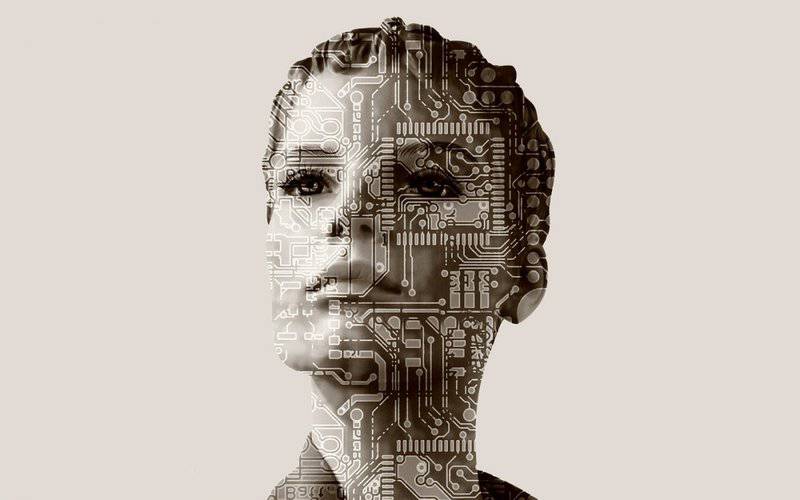
The remainder of humanity could be genetically engineered, transformed into mere biological automatons stripped of the profound consciousness we once possessed: Brought into existence as transgenic human servants; collective-minded, part-human, part-machine, equipped with tailored enhancements to execute a designated function…
Clearly, a mounting list of issues, concerns, and consequences exists: At its core lies an absence of ethics, honesty, and integrity, alongside greed, irresponsibility, a hollow humanitarian motive, and the ignorance and apathy of an unaware populace… As with flora and fauna, even mutation-free, human genetic engineering in a futuristic post-humanist era unquestionably carries the potential for catastrophic outcomes.
See also: The Woman Harnessing CRISPR to Produce All-Male "Terminator Cattle"