This beloved Japanese noodle soup traces its origins back to Chinese culinary traditions and has firmly entrenched itself in American food culture. Those inexpensive, mass-produced dried noodle bricks fed countless latchkey children and college students for generations, yet ramen has also blossomed into a thriving restaurant scene featuring dedicated tasting pilgrimages and devoted noodle-slurping enthusiasts.
This walkthrough shows you how to recreate that joyful slurping experience in your own kitchen. We'll break down the essential building blocks of ramen—stock, seasoning, noodles, and garnishes—honoring our collective passion for the dish while keeping the process approachable and unintimidating.
Why This Approach Works Best for Home Cooking
In its simplest form, ramen is simply a well-seasoned broth swimming with noodles. While add-ins like proteins and eggs transform a bowl into a satisfying meal, this recipe doesn't emphasize those elements. Instead, the focus lies on developing a deeply savory chicken stock and choosing the ideal noodle.
A Quick History of America's Ramen Affair
Despite being a Japanese staple, ramen noodles actually emerged from China before taking hold in Japan. These chewy, springy noodles rose to prominence during the 1930s when Chinese cooks began preparing them inside Japanese soba establishments. Marrying Chinese noodle craftsmanship with Japanese stock-making expertise and dining customs produced the diverse ramen styles we recognize today, with dedicated ramen venues and noodle stands becoming embedded in Japanese eating culture. World War II disrupted this growth when pushcarts and street sellers faced prohibition due to ingredient shortages, pushing ramen dangerously close to disappearing.
American ramen establishments likely emerged during this same period, as displaced Japanese noodle artisans emigrated following post-war economic struggles. Though these 1960s-era ramen spots never achieved the cult following of today's venues, remarkably, most survived longer than the diner culture that flourished alongside them.
Simultaneously, instant ramen crossed into the American market, pitched as a wholesome convenience food for harried households. Products like Oodles of Noodles and Cup of Ramen only achieved mainstream recognition in the 1980s. That decade also introduced organized Japanese ramen pilgrimages, which continue to attract American tourists seeking memorable culinary adventures.
From a business perspective, ramen establishments represent a rare exception among fast-casual concepts by resisting corporate franchising through what's known as the noren system. Essentially a network of affiliated shops, the practice involves seasoned ramen masters training workers on their methods before launching them to establish independent locations after just a handful of years. This benefits enthusiasts, though it also means techniques and recipes have subtly evolved across American shops, much like a decades-long game of culinary telephone.
Stock Your Pantry: Building a DIY Ramen Arsenal
Exceptional homemade ramen starts with thoughtful grocery shopping. Stocking your kitchen with dashi essentials (dried kombu and mushrooms), quality soy sauce, and mirin puts you within striking distance of a complete ramen-making setup. Fresh noodles complete the collection.
Kombu, Dried Shiitake, Soy Sauce, and Mirin
Ramen broth shares much in common with other rich stocks, relying on bones and aromatics to form a foundation for noodles and garnishes. What distinguishes ramen broth from standard stock is its dual-flavor approach. Dried kombu and shiitake mushrooms infuse the simmering liquid with an earthy, umami-rich depth that sets it apart from conventional stocks.
The second flavoring layer is called tare—a concentrated blend of bold liquids or pastes stirred into the finished broth right before serving. The foundational version combines equal parts soy sauce and mirin. Other variations incorporate miso or chili pastes for added complexity.
To whip up restaurant-caliber ramen on demand, maintain a supply of kombu and dried shiitakes for boosting even basic homemade stocks. The same applies to soy sauce and mirin. Consider also keeping pickled bamboo shoots and nori sheets available for finishing touches.
Selecting Noodles
Fresh ramen noodles consist merely of wheat flour, salt, and water enhanced with an alkaline solution that produces their characteristic golden tone and pleasantly springy chew. You'll typically encounter these at specialty retailers in major metropolitan areas like New York, where noodle makers operate nearby. When spotted in refrigerated cases, grab them promptly and use within several days.
Dried or instant varieties also originate from wheat flour, though they're flash-fried before dehydration and packaging. Most Asian supermarkets stock these dried noodles separately from their seasoning sachets—pick up several packages to ensure you're always ramen-ready.
Building the Broth
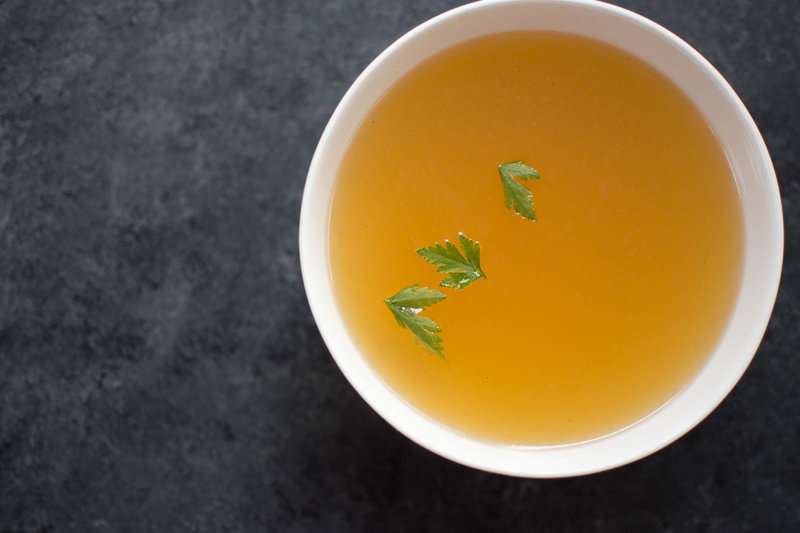
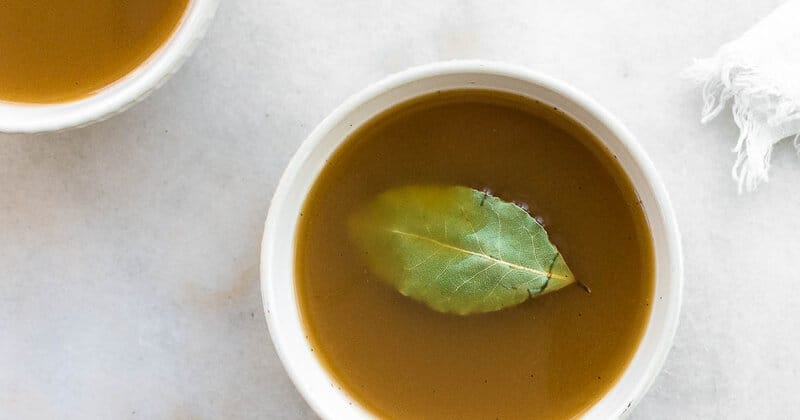
This broth marries a robust chicken stock with a fragrant dashi base. By roasting affordable chicken wings before simmering them into stock, then incorporating classic dashi ingredients, the result is a complex, layered broth perfect for home ramen sessions.
Mouthfeel and richness separate homemade ramen that rivals restaurants from the instant cup variety. Chicken wings excel at delivering this substance. Their connective tissue, skin, and delicate bones dissolve during extended cooking, yielding a gelatin-packed broth substantial enough to complement the chewy noodles. Aromatics like ginger, kombu, dried shiitake, and soy sauce round out the flavor.
Creating a Hearty, Full-Flavored Chicken Stock for Homemade Ramen
Assembling Everything
- Broth: Prepare the broth up to seven days ahead, or freeze it in individual servings for convenient reheating later. Always bring it back to a rolling boil before ladling it over the noodles.
- Seasoning: The concentrated tare blend keeps well for up to a week. Since this version simply mixes soy sauce and mirin, it can stay ready at all times (it's also excellent drizzled into stir-fries or fried rice). Stir the tare directly into a pot of stock or into individual serving bowls just before plating.
- Noodles: Cook the ramen noodles in plain boiling water moments before serving. Cooking them directly in the broth produces sticky, unappetizing results. Instead, boil the noodles in fresh water, drain thoroughly, and transfer them into bowls of broth.
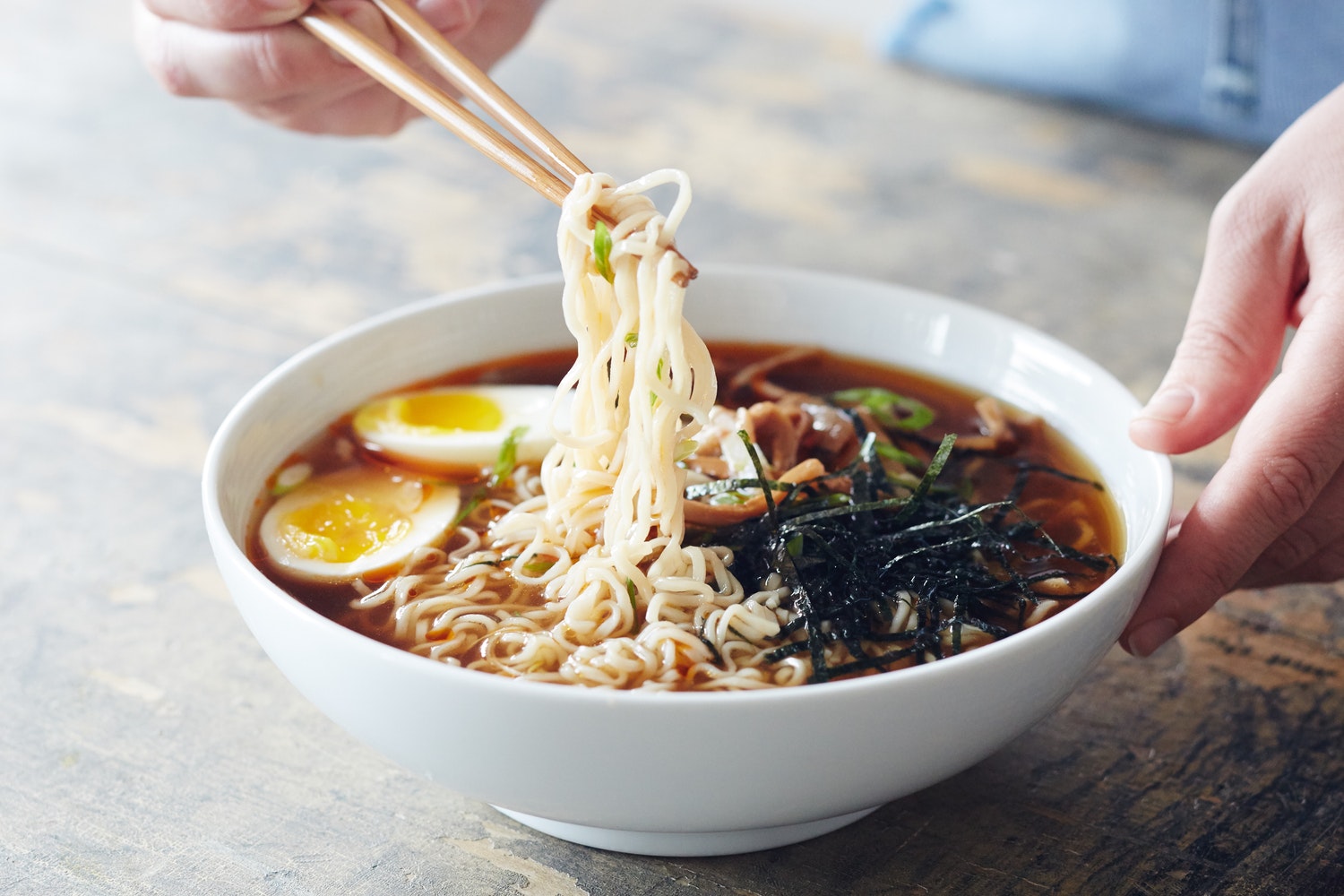
- Toppings: Traditional ramen often features cooked pork—ground, roasted loin, or belly varieties. Because this recipe prioritizes perfecting the broth, the toppings remain uncomplicated. A custardy soft-boiled egg, tangy pickled bamboo, sheets of nori, and a light drizzle of sesame oil provide everything needed to transform this ramen into a complete meal.
Savoring Your Ramen
There's genuinely no incorrect way to enjoy ramen. Custom suggests consuming noodles while the broth remains piping hot, which involves leaning toward the bowl and guiding noodles upward with chopsticks. This practice likely inspired the iconic slurping technique. Drawing air alongside the noodles also cools them as they enter your mouth. Use a soup spoon alongside your chopsticks for sipping broth and savoring the egg component.
Mastering Restaurant-Quality Ramen in Your Home Kitchen
Serves 4 to 6
What You'll Need
Ingredients For the broth: 6 to 6 1/2 pounds chicken wings 4 medium carrots (about 8 ounces), sliced into 1/2-inch-thick coins 3 small bunches scallions (12 to 18), roots snipped off 10 cups water, divided 1 head garlic, skin on, roots removed, sliced in half horizontally 1 (2-inch) piece ginger, peeled and chopped into 1/4-inch chunks 20 dried shiitake mushrooms (about 2 ounces) 1 (6-inch) sheet dried kombu (sea vegetable or seaweed) 1/4 cup soy sauce
For the shoyu tare:1/4 cup soy sauce 2 tablespoons mirin
For the eggs and noodles:3 to 4 large eggs, depending on the number of diners6 (5-ounce) packages fresh, thin, and wavy ramen noodles
For serving:1/2 cup menma (fermented bamboo shoots) 6 medium scallions, thinly sliced3 toasted nori sheets, cut into ribbonsChili oil or toasted (Asian) sesame oil
EquipmentMeasuring cups and spoonsChef's knifeStovetop-safe roasting pan or large stovetop-safe casserole dishStockpotLarge saucepanStrainer or slotted spoon (for skimming)Fine-mesh strainerLarge bowl
Instructions
Prepare the broth and tare
- Roast the chicken wings. Position a rack in the center of the oven and preheat to 425°F. Arrange the chicken wings in a stovetop-safe roasting pan or casserole dish and roast until deeply browned, approximately 30 minutes. Lower the oven temperature to 375°F, add the carrots and scallions, and toss to combine. Continue roasting for another 20 minutes.
- Deglaze the roasting pan. Move the chicken and vegetables into a stockpot. Set the empty roasting pan on the stovetop over high heat. Pour in 2 cups of the water and, scraping vigorously with a heatproof or metal spoon, lift all the caramelized bits from the bottom of the pan. Bring to a boil, then carefully transfer the liquid into the stockpot.
- Layer in the aromatics. Add the garlic, ginger, shiitakes, kombu, and remaining 8 cups of water to the pot and stir to combine. Bring just to a gentle simmer over high heat—just a few bubbles breaking the surface around the edges.
- Simmer the broth. Turn the heat down to the lowest setting your stove allows, pour in the soy sauce, and simmer uncovered, periodically skimming the fat and foam that collects on top, until the chicken has completely separated from the bone and the wing bones pull apart with no resistance, 3 to 3 1/2 hours.
- Strain the broth. Pour the broth through a fine-mesh strainer into a large bowl; discard the solids. Allow the broth to cool to room temperature, then cover and refrigerate overnight. Before using, skim and discard the fat that has solidified on top.
- Prepare the tare. Mix the soy sauce and mirin in a small airtight container, seal, and refrigerate until ready to use.
For serving
- Cook the eggs. Fill a large saucepan with a few inches of water and place over high heat until it reaches a rolling boil. Reduce the heat so the water maintains a rapid simmer. Carefully lower the eggs into the water one at a time, then simmer for 6 minutes. Lift the eggs out with a slotted spoon and transfer to an ice water bath. Once cooled, peel the eggs, slice them in half lengthwise, and set aside.
- Cook the noodles. Bring the egg cooking water back to a boil, add the noodles, and cook according to package directions, 3 to 5 minutes. Drain the noodles and rinse under cool water to halt the cooking.
- Simmer and season the broth. Heat the broth back to a boil in a separate saucepan. Remove from the heat and stir in the tare to taste.
- Assemble the bowls. Distribute the noodles among 4 deep, wide bowls (or more bowls for smaller portions). Ladle the hot broth over the noodles. Garnish each bowl with 1 to 2 egg halves, bamboo shoots, scallions, and nori and finish with a drizzle of oil.
Recipe Notes
Make ahead: Both the broth and tare can be prepared and refrigerated for up to 1 week in advance. The broth also freezes well for up to 3 months.