Written by Colleen Stinchcombe | Originally published on sheknows.com
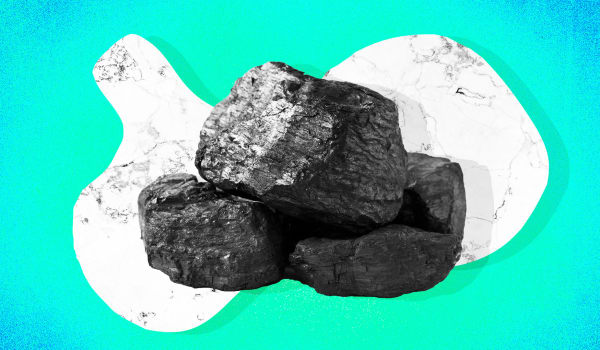
Have you recently stirred a pinch of charcoal into your morning coffee? Or perhaps you've swallowed it in capsule form?
Almost overnight, activated charcoal has become the latest wellness trend flooding the market. Goop published a recipe for charcoal chai; cafés are serving charcoal-infused lattes; black ice cream is appearing in shops; and even burger buns are turning dark. It’s also widely sold as a dietary supplement in pill form.
Advocates of activated charcoal claim it binds to toxins inside the body, offering benefits ranging from easing gas and bloating to preventing hangovers, acting as a digestive cleanse, whitening teeth, and cleansing the face.
But the real question remains: Are these claims backed by science, or are they entirely unfounded?
The Ubiquity of Charcoal in Modern Foods: Does It Offer Any Real Benefits?
What Sparked This Trend?
For decades, charcoal was a go-to treatment for poisoning in emergency rooms. Doctors administered a charcoal slurry to patients who had accidentally or deliberately ingested toxic substances. This practice relied on charcoal’s ability to attach to other compounds—a valuable trait in poisoning emergencies.
However, charcoal is far less common in ERs today. “Charcoal, once used in nearly all overdoses, is now rarely employed,” explains Dr. Stuart Spitalnic, an emergency medicine physician at Brown University. “The main reason is that for most overdoses, it simply doesn’t accomplish much,” though it still has a role in a few specific cases.
“It’s most frequently used for intentional Tylenol or aspirin overdoses,” adds Dr. Amy Baxter, a pediatric emergency physician. She notes that charcoal is ineffective for alkali poisonings, cyanide, ethanol, iron, lithium, methanol, mineral acids, and organic solvents.
Related: What Are the Health Benefits of Acupuncture?
The notion that charcoal can “bind” to various substances—including toxins—likely fueled the current craze. But that doesn’t mean doctors endorse it. “There’s no justification for putting it in food or drinks,” Spitalnic says. “The idea of ‘removing toxins,’ or that such toxins even exist, is absurd.”
Related: Is Fresh Air Actually Good for Your Health?
So, Does It Actually Work?
Proponents of activated charcoal make numerous claims about its benefits, and since the FDA does not evaluate these assertions, it can be challenging to distinguish fact from fiction.
One common claim is that charcoal reduces gas and bloating. Is that true? Possibly, according to Dr. Svetlana Kogan, a medical doctor, master hypnotherapist, and experienced Ayurvedic practitioner. She explains that foods like cauliflower, broccoli, and celery contain indigestible cellulose. Gut bacteria work on these foods over time, producing gas as a byproduct.
“If someone consumes a small amount of charcoal alongside these foods, it will bind to them… and they’ll excrete it,” she says. This could plausibly alleviate gas and bloating. A double-blind study from 1986, published in The American Journal of Gastroenterology, measured hydrogen levels in breath to quantify colon gases and found activated charcoal effective. Yet another study from 1999, in the same journal, concluded that charcoal ingestion did nothing to reduce gas. Kogan suggests a better approach is simply to avoid gas-inducing foods.
Kogan is especially doubtful about claims that charcoal cures hangovers or acts as a digestive cleanse. Digestive cleanses, she notes, are “a very broad, nonspecific claim” that would be difficult to test scientifically. As for hangover prevention, “some physicians claim it binds the toxic metabolites of alcohol, leading to symptom improvement,” Kogan says. However, a 1986 study in Human & Experimental Toxicology found that charcoal had no effect on blood-alcohol levels in participants.
Related: Why Even a Little Bit of Exercise Can Make a Big Difference
What About Non-Oral Uses?
Teeth whitening and facial cleansing are two other areas where charcoal has gained popularity. Experts have fewer reservations here. “Charcoal toothpaste is excellent for removing surface stains,” says Dr. Mark Burhenne, a dentist at Ask the Dentist, especially for those who drink coffee, tea, or red wine. “But if you’re looking for intrinsic color changes due to fluoride damage, weak enamel, or medication that has altered tooth color, activated charcoal won’t help.”
However, charcoal can be highly abrasive, potentially eroding enamel. He recommends checking the relative dentin abrasivity of your toothpaste online to ensure safety. If you can’t find that information, it’s better to avoid the risk.
Certain charcoal products are also suitable for facial use. “Activated charcoal offers a novel way to cleanse and exfoliate the face,” says Dr. Michele Green, a RealSelf dermatologist in New York City. “But it’s not the most effective method.” Products containing activated charcoal can cause irritation, especially when combined with glycolic or salicylic acid, she warns. Still, because it’s highly absorbent, “it makes an excellent acne mask when mixed with water.”
Are There Any Side Effects?
Since no large-scale studies have examined charcoal’s effects in these contexts, it’s difficult to determine reliable benefits and possible side effects. Certain individuals should be particularly cautious about ingesting activated charcoal. For example, those with chronic gut issues—such as irritable bowel syndrome, inflammatory colitis, Crohn’s disease, or ulcerative colitis—may face serious risks. “It can cause blockages and inflammation, and it’s a recipe for disaster,” Kogan warns.
The Bottom Line
Remember that the FDA does not regulate or test supplements, meaning companies are not held accountable for whether their products work. Kogan advises consulting your doctor to weigh potential benefits and side effects. But she also emphasizes the power of marketing.
“Activated charcoal is a huge industry right now. Once it had the money to saturate social media… seeing it repeatedly makes people develop a kind of trust,” she explains. “But that’s all it is—brainwashing.”
So, like most fads, it’s wise to proceed with caution (if at all).