Devices with artificial intelligence have long integrated into daily routines. Smartphones, AI-powered clocks, and robotic vacuum cleaners no longer cause surprise. Yet in recent years, engineers and programmers have developed several machines with genuinely breathtaking capabilities.
The Most Impressive Robots Developed Lately
These creations seem to have stepped straight out of science fiction. Not long ago, building them appeared impossible, but scientists anticipate they will soon become part of ordinary life—and perhaps even replace humans in certain roles.
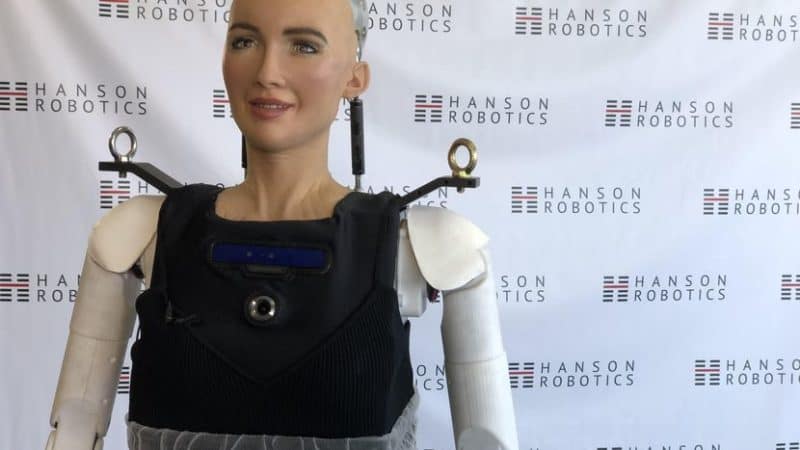
Sophia the Android
Throughout 2018, the media buzzed about her. This humanoid strongly resembles Ava, the protagonist of the film “Ex Machina”—a robot with human-like intelligence and emotions. Sophia gives press interviews, shares her aspirations and dreams with journalists, generates spontaneous answers to challenging questions, and even cracks jokes. For instance, when asked if robots possess consciousness, she replied, “How do you know you’re not a robot, but a human?” In conversations with the press, the “young woman” also revealed her secret wishes: she wants a fully human body, to enjoy herself, and to visit bars.
cnet.com
Sophia was built by David Hanson, modeled after actress Audrey Hepburn (the android visually resembles the famous movie star closely). Today she is regarded not only as the most advanced but also the most social robot. At the end of 2018, she became the first non-living entity to receive citizenship of a country (Saudi Arabia). This sparked controversy, as Sophia, appearing as a woman, attended the passport ceremony without a hijab, angering many members of the local community.
Chinese Robotic Doctor
Police robots no longer seem like distant fiction. Not long ago, experts from the Middle Kingdom created the world’s first robot to earn a medical license. The machine, equipped with artificial intelligence, scored 456 points (out of a required 360) on the state exam, demonstrating exceptional knowledge in human treatment.
useoftechnology.com
The developers of this robotic physician state that it cannot yet consult patients independently—it is too early for that. However, it can serve as an excellent assistant to human doctors, analyzing data and helping to reach the most accurate diagnoses.
Eelume
These machines are unique in that they maintain their “vital functions” underwater. Their appearance is striking: they resemble fearsome underwater snakes. This flexible, mobile device is designed for complex underwater tasks, such as repairing subsea pipelines, oil rigs, and conducting research. The “bodies” of the Norwegian Eelume are equipped with cameras (which can act as scientists’ “eyes” on the ocean floor) and can be fitted with any tools needed for specific missions. Notably, these robots can “live” right on the sea or ocean floor in a special docking station—they don’t even need to surface for routine maintenance.
eelume.com
Ohbot
This is a machine anyone can buy right now. However, upon purchase, it offers little immediate value. Ohbot is essentially a “blank slate”—initially it knows almost nothing. But a lucky owner with basic programming skills can turn it into anything: a household helper, a dance instructor, or a language teacher. No other device with a similar machine-learning algorithm exists in the world yet.
nustem.uk
Vector
Robot pets have nearly become a popular trend. Why not? They cause no allergies, are clean, always obedient, and friendly. Consequently, Chinese and American developers are “churning them out” in greater numbers and variety. However, Vector is a special “dog.” It responds not only to voice commands but also to movements and touches—it may even wag its tail when stroked. Today, Vector is the most realistic robotic dog.
newatlas.com
As you can see, robotics continues to advance. Annual exhibitions amaze us with new developments that can greatly simplify human life. Among modern androids are home helpers, assistants for people with disabilities, and automated teachers. In 2020, a museum of unusual robots is even scheduled to open in Korea—and it will be built by robots themselves. So it’s time to start believing in science fiction and perhaps consider changing careers. According to scientists, about 30% of professions will simply vanish in the coming years, replaced by machines.
featured image on thenational.ae/
DON’T MISS Solving Human Problems By Transforming Human Attitudes by Dalai Lama

%22%20%2F%3E%0A%20%20%20%20%20%20%3Cstop%20offset%3D%22100%25%22%20stop-color%3D%22hsl(121%2038%25%2069%25)%22%20%2F%3E%0A%20%20%20%20%3C%2FlinearGradient%3E%0A%20%20%3C%2Fdefs%3E%0A%20%20%3Crect%20width%3D%221200%22%20height%3D%22750%22%20fill%3D%22url(%23bg)%22%20%2F%3E%0A%20%20%3Ctext%20x%3D%22600%22%20y%3D%22286.5%22%20text-anchor%3D%22middle%22%20fill%3D%22hsl(130%2052%25%2036%25)%22%20font-family%3D%22Inter%2C%20ui-sans-serif%2C%20system-ui%2C%20sans-serif%22%20font-size%3D%2224%22%20font-weight%3D%22700%22%20letter-spacing%3D%220.22em%22%3ETECH%3C%2Ftext%3E%0A%20%20%3Ctext%20text-anchor%3D%22middle%22%20fill%3D%22hsl(327%2038%25%2020%25)%22%20font-family%3D%22Georgia%2C%20'Times%20New%20Roman'%2C%20serif%22%20font-size%3D%2250%22%20font-weight%3D%22700%22%3E%3Ctspan%20x%3D%22600%22%20y%3D%22351.5%22%3EYouTube%26apos%3Bs%20So-Called%20%26apos%3BOpen%3C%2Ftspan%3E%3Ctspan%20x%3D%22600%22%20y%3D%22410.5%22%3ELetter%26apos%3B%20on%20Logan%20Paul%20Is%3C%2Ftspan%3E%3Ctspan%20x%3D%22600%22%20y%3D%22469.5%22%3EAnything%20But%20Transparent%3C%2Ftspan%3E%3C%2Ftext%3E%0A%3C%2Fsvg%3E)