People typically inquire about thread lifting techniques only after they've exhausted injectables and device-based treatments, finding the outcomes unsatisfactory yet still hesitant to undergo a surgical facelift.
Actually, meso threads have a broad spectrum of uses — they can address age-related concerns and serve as a preventive measure. Additionally, thread lifting is incorporated into maintenance regimens following surgical lifts.
Defining Mesothreads
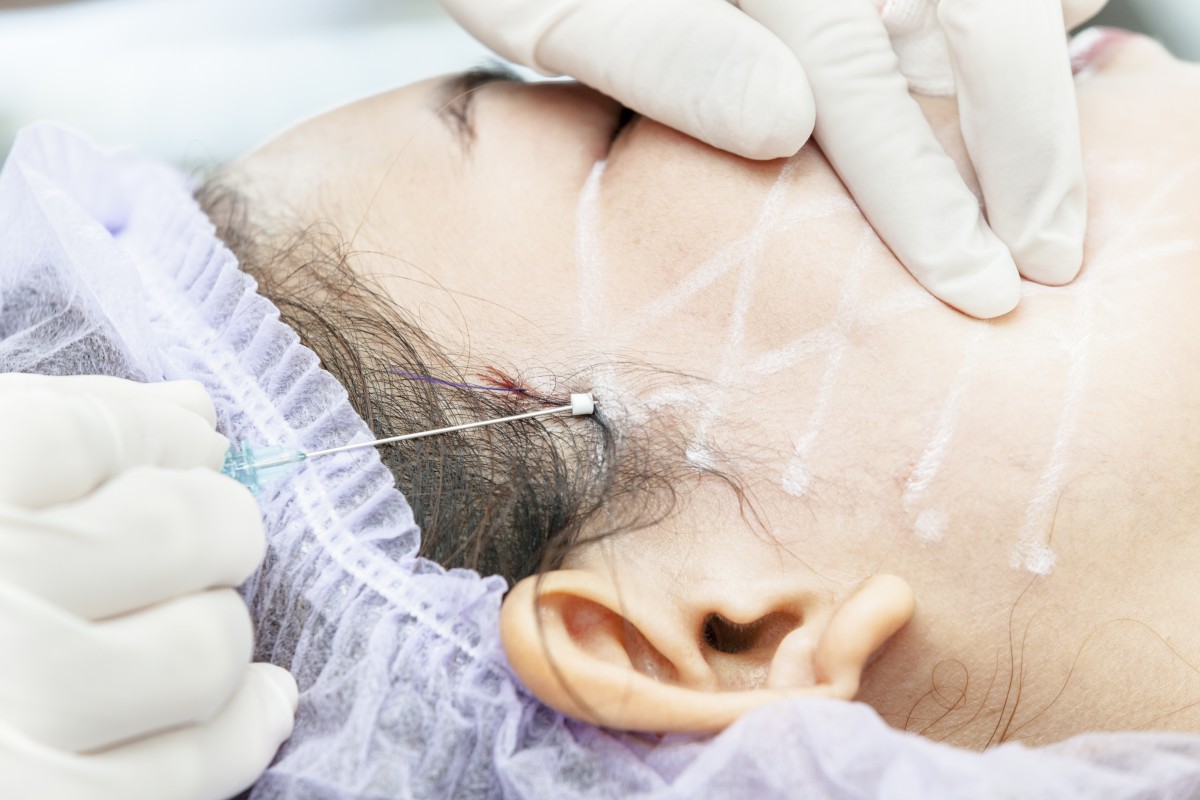
A meso thread resembles a thin fishing line, no thicker than a strand of hair, attached to a guide — either a needle or a cannula (a blunt-tipped metal tube employed in cosmetic procedures to minimize vascular or nerve injury). Using this guide, the practitioner inserts the thread to a precise depth and angle, carefully positioning it within the tissue, since biorevitalization and lifting each demand distinct placement. The threads themselves vary accordingly.
Meso threads come in various lengths, diameters, and surface textures — either smooth or barbed. Their composition also differs: polydioxanone (PDO), polycaprolactone, and polylactic acid threads eventually dissolve, whereas silicone and polypropylene versions are permanent. Typically, practitioners use a reinforcement method, inserting multiple threads closely together along a specific direction, effectively "stitching" the skin.
Smooth Thread Variants
Smooth threads stimulate rejuvenation, enhance microcirculation, and boost skin texture. They are indicated for periorbital wrinkles, perioral vertical lines, mild nasolabial folds, puppet lines, early signs of a sagging facial contour, and overall laxity on the face, neck, and décolleté. These threads can also define lip borders and refine lip shape.
Body applications include treating loose skin on the abdomen, inner thighs, and knees. Insertion boosts blood flow and metabolic activity in the treated zone, thereby reducing localized fat deposits.
When inserted at a shallower depth, meso threads trigger collagen synthesis, increasing skin density and elasticity, producing a noticeable lift. For biorevitalization purposes, practitioners typically recommend polylactic acid threads.
Explore the different types of facial cleansing and determine which one fits your needs.
Spiral Thread Varieties
Here, the thread is coiled around the needle. This configuration is thought to create a more robust collagen scaffold. Spiral threads deliver an instant lifting effect while also promoting long-term skin revitalization. They are employed for eyebrow lifts, supporting and elevating the mid and lower face, and refining the chin.
Barbed Thread Variants
These threads feature tiny barbs that anchor into tissue, pulling and securing it. Barbed threads contribute to a more defined facial oval. Additionally, the more pronounced the tissue sagging, the thicker and longer the required threads.
Contraindications for thread lifting are largely similar to those for injectable procedures:
- Hypersensitivity to the thread composition
- Active infections
- Autoimmune conditions
- Diabetes mellitus types 1 and 2
- Malignant tumors
- Flare-ups of chronic illnesses
- Tendency to develop keloid scars
- Pregnancy and breastfeeding
- Coagulation abnormalities or use of medications affecting blood clotting
- Permanent implants present in the treatment zone
To achieve optimal results, practitioners often recommend preparatory skin-enhancing treatments such as biorevitalization, chemical peels, or laser therapies. Following that, if needed, botulinum toxin or dermal fillers are administered. Only after these steps are threads inserted. The overall preparation protocol is customized based on the patient's skin condition and the extent of aging. Post-thread lifting, any additional facial procedures — injectable or device-based — should be delayed for at least one month.