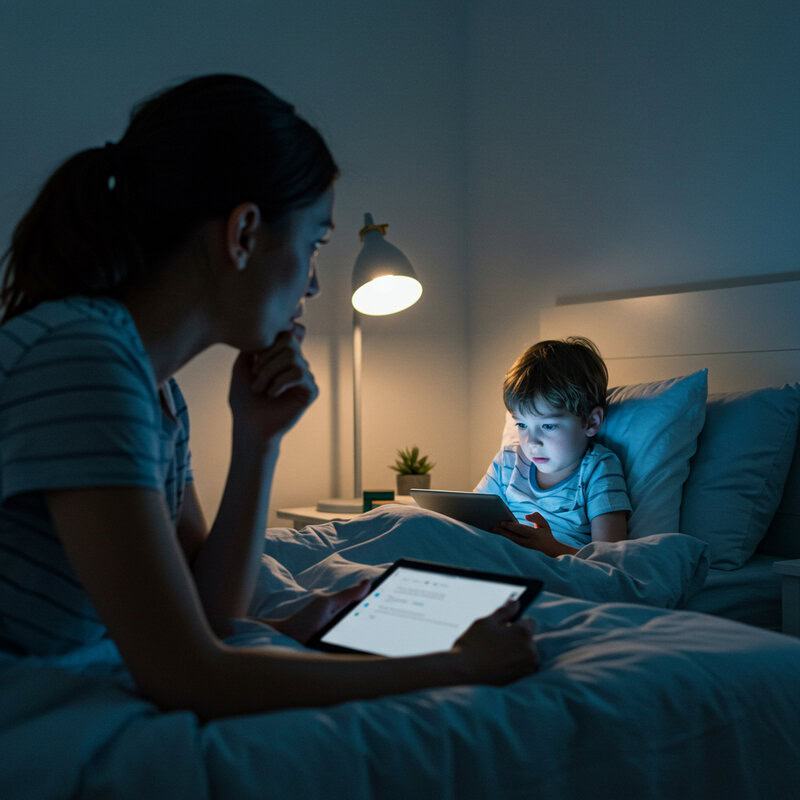
Nights often turn into battles for parents trying to settle restless children into sleep, leading to weariness and tension for everyone involved. Good sleep hygiene plays a vital role in supporting a youngster's physical growth, cognitive advancement, and emotional health. The encouraging news is that research-backed methods and practical techniques exist to build reliable bedtime rituals and tackle frequent sleep disruptions. This piece walks through hands-on recommendations grounded in professional guidance and scientific findings.
Pinpoint the Root Triggers
A young child sits deep in thought on their bed as a concerned parent gently watches, worried about sleep troubles. | Generated by Google Gemini
Whenever a youngster struggles to drift off, careful observation of daily habits and behaviors becomes essential for uncovering likely culprits. Contributors may include worry, excessive screen exposure, disrupted schedules, or even medical conditions like obstructive sleep apnea.
Resolving these foundational problems tends to produce more durable results. A conversation with your child's doctor can eliminate health-related explanations, while reputable sources—such as the CDC's resource on pediatric sleep—provide useful information for spotting and managing typical bedtime obstacles.
Build a Reliable Evening Ritual
Consistent bedtime routines with calming activities help children feel secure and ready for sleep. | Generated by Google Gemini
A steady, repeatable sequence of pre-sleep activities serves as a powerful cue that rest is approaching. Kick off the ritual at the identical hour nightly and weave in soothing elements like a warm bath, storytime, or light stretching exercises. Predictability and order generate feelings of safety and anticipation. Sticking to the schedule—even on Saturdays and Sundays—makes all the difference. The American Academy of Pediatrics publishes thorough recommendations for caregivers looking to strengthen their evening practices.
Design an Optimal Sleep Setting
A cozy child’s bedroom glows softly with a gentle night light, creating a peaceful sleep environment. | Generated by Google Gemini
Fine-tuning your youngster's bedroom setup can dramatically enhance sleep quality. Strive for dim lighting, minimal noise, and a comfortably cool climate—somewhere between 65–70°F (18–21°C). Heavy curtains help shut out outside light, and a white noise device can mask sudden sounds.
Make sure the mattress, pillows, and linens feel pleasant, and remove potential interruptions such as playthings or electronics. Minor modifications frequently produce major improvements in how quickly a child relaxes and falls asleep. The Sleep Foundation's resource on bedroom optimization offers further suggestions for crafting an ideal rest space.
Apply Firm Yet Loving Limits
A parent gently explains bedtime rules to their child, who snuggles under the covers, ready for sleep. | Generated by Google Gemini
Articulating bedtime expectations clearly offers youngsters a sense of predictability while reinforcing positive sleep behavior. Establish kind but unwavering limits by outlining the nightly plan calmly and adhering to it, regardless of requests for additional stories or drinks of water.
Provide warmth and reassurance through a tender embrace or comforting phrases, yet steer clear of bargaining or stretching out the process. This blend of compassion and steadiness helps children understand what each night will bring. Zero to Three, a respected authority on early childhood approaches, offers expanded direction on implementing bedtime limits effectively.
Tackle Fears and Worry at Night
A parent gently soothes their child, who clutches a favorite stuffed animal beside a softly glowing night light. | Generated by Google Gemini
Apprehensions and unease during the nighttime hours affect many children and frequently stand in the way of restful slumber. Support your child by recognizing and affirming their emotions, letting them know that worry is a natural experience. Introduce comfort items—a beloved plush toy or soft blanket—and explore relaxation methods like measured breathing or imaginative visualization as a pair.
Stay a calming influence at bedtime without amplifying worries. Should anxious feelings linger, reach out to a pediatrician or child psychologist. HealthyChildren.org, maintained by the American Academy of Pediatrics, shares additional strategies for handling nighttime apprehensions.
Cut Back on Stimulants and Electronics
A smiling child sets aside a tablet to enjoy a bowl of colorful, healthy snacks at the kitchen table. | Generated by Google Gemini
Cutting down on stimulants—particularly caffeine and sugar—during the late afternoon and evening can ward off trouble falling asleep. Tablets, smartphones, and TVs project blue light, which interferes with melatonin production and pushes back the onset of drowsiness.
Most specialists suggest powering down devices a minimum of sixty minutes before lights out to encourage smoother sleep. Introducing screen-free rituals in the evening fosters an easier shift toward slumber. The Sleep Foundation's hygiene guidelines for children delve deeper into how electronics and stimulants influence rest.
Exercise Patience and Maintain Steady Habits
A parent gently hugs their child in soft lamplight, showing bedtime patience as part of a calming nightly routine. | Generated by Google Gemini
Establishing solid sleep patterns demands time, and occasional hiccups are entirely expected. Holding firm to established routines and boundaries strengthens your child's sense of what's coming and aids their adjustment. When improvement feels gradual, keep your composure and resist overhauling the plan—reliability matters most.
Acknowledge modest victories and patiently redirect your child following disruptions like sickness or trips. Bear in mind that endurance and commitment remain crucial while your little one adapts to new patterns. Raising Children Network, an evidence-driven parenting platform, delivers further insight on cultivating enduring sleep schedules.
Wrapping Up
A parent gently cradles their sleeping child, sharing a peaceful and loving moment at bedtime. | Generated by Google Gemini
Guiding your child toward restorative sleep calls for a blend of recognizing underlying issues, crafting dependable rituals, shaping a calming atmosphere, and applying affectionate yet firm boundaries. By confronting anxieties, minimizing stimulants, and maintaining patience and regularity, you can transform bedtime into a more peaceful experience for the entire household.
Keep in mind that meaningful change unfolds gradually, and every child follows their own timeline. Should sleep challenges endure despite your best efforts, seeking advice from your pediatrician or a dedicated sleep expert may provide extra assistance. The Sleep Foundation maintains a thorough collection of resources tailored for parents seeking additional direction.